The Rise and Fall of the Union of Soviet Socialist Republics (USSR)
The Union of Soviet Socialist Republics, commonly known as the Soviet Union, was a massive federal communist state that existed from 1922 until its formal dissolution in 1991. Spanning across Eurasia, it was a global superpower that shaped the course of the 20th century through its unique political ideology, massive industrial projects, and its central role in the Cold War.
Key Facts
- Duration: 1922–1991
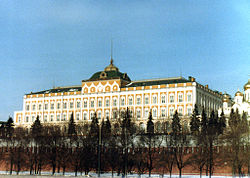
- Capital City: Moscow
- Government Type: Federal communist state
- Total Area: 22,402,200 km² (the world's largest country)
- Official Language: Russian (with numerous recognized regional languages)
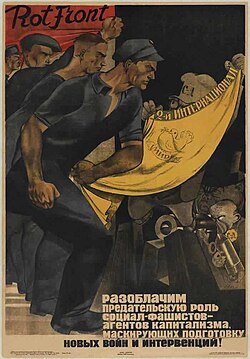
- Motto: "Workers of the world, unite!"
Foundations and Political Structure
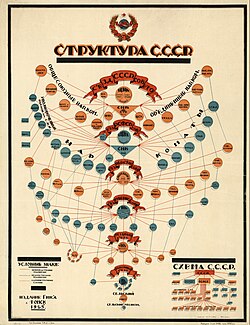
The Soviet Union was established following the October Revolution in 1917, with the formal Treaty of Creation signed on 30 December 1922. It was governed as a federal communist state, where power was centralized under the Communist Party. The legislative body evolved over time, moving from the Congress of Soviets (1922–1936) to the Supreme Soviet (1936–1991).
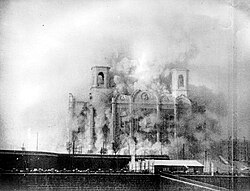
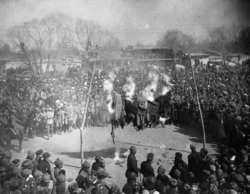
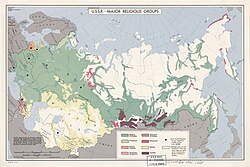
The Supreme Soviet was a bicameral legislature consisting of two houses: the Soviet of Nationalities (the upper house) and the Soviet of the Union (the lower house). While the state was de jure (legally) a secular state, it practiced de facto (in practice) state atheism.
Leadership and Governance
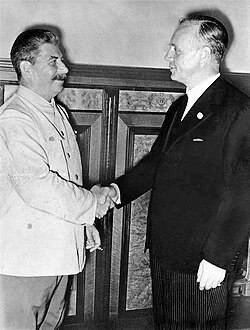
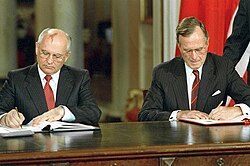
Leadership in the USSR was characterized by long-standing figures who steered the nation through various historical eras, including the Interwar period, World War II (known in the USSR as the Great Patriotic War), and the Cold War. Notable leaders included Vladimir Lenin, the first leader, and Mikhail Gorbachev, the final leader who oversaw the era of reform and eventual dissolution.
Geography and Demographics
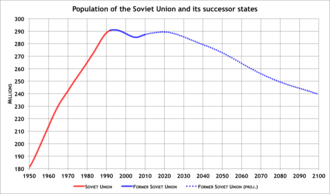
At its peak, the Soviet Union was a vast territory covering over 22 million square kilometers. It was composed of 15 distinct republics, including the Russian SFSR, Ukrainian SSR, Byelorussian SSR, and the Uzbek SSR, among others. This diversity was reflected in its population, which was approximately 70% East Slavs and 17% Turkic ethnic groups.
Urbanization and Major Cities
The 1989 census highlighted the massive scale of Soviet urbanization. Moscow served as the largest hub, followed by Leningrad and Kiev. Other significant cities included Tashkent, Baku, and Kharkov, representing the diverse geographic spread of the union.
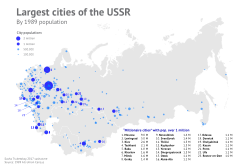
| Rank | City Name | Republic | Population |
|---|---|---|---|
| 1 | Moscow | Russian SFSR | 8,967,332 |
| 2 | Leningrad | Russian SFSR | 4,990,749 |
| 3 | Kiev | Ukrainian SSR | 2,571,000 |
| 4 | Tashkent | Uzbek SSR | 2,072,459 |
| 5 | Baku | Azerbaijan SSR | 1,727,000 |
Science, Technology, and the Space Race
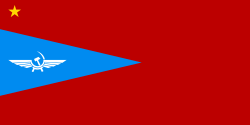
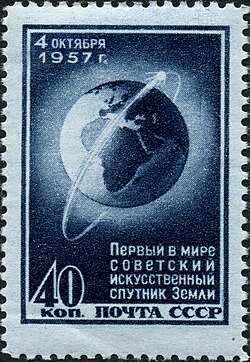
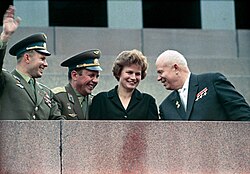
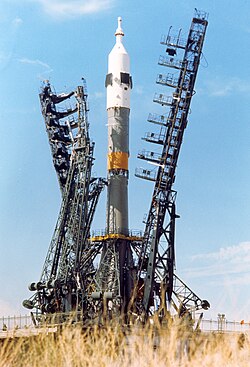
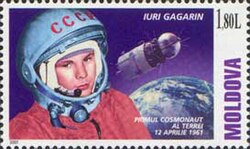
One of the most enduring legacies of the Soviet Union was its advancements in science and technology, particularly in the field of space exploration. The Soviet space program achieved historic milestones, such as the launch of Sputnik 1 and the mission of Yuri Gagarin, the first human in space.
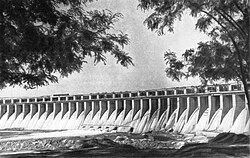
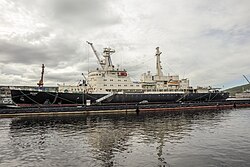
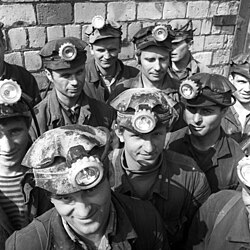
The Soviet Union also made significant strides in heavy industry and energy. Massive hydroelectric projects, such as the DneproGES, became symbols of economic progress, while the development of nuclear technology led to the creation of the world's first nuclear-powered icebreaker, the Lenin.
The Cold War and Global Influence
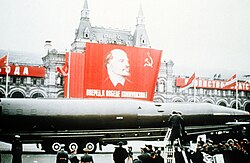
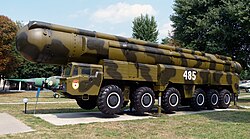
During the Cold War, the Soviet Union was a primary actor in global geopolitics. This era was marked by intense competition with the United States, particularly in the arms race. The deployment of medium-range missiles, such as the SS-20, contributed to heightened tensions in Europe.
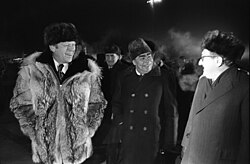
Despite the tensions, there were periods of diplomacy, such as the Vladivostok Summit in 1974, where leaders like Leonid Brezhnev and Henry Kissinger engaged in informal discussions to manage international relations.
Economic Landscape
The Soviet economy was a complex system of state-controlled industry and energy production. By 1989, the total GDP (PPP) was estimated at US$2.660 trillion, making it the second-largest economy in the world by that metric. However, nominal GDP figures varied significantly depending on whether official or commercial-adjusted exchange rates were used.
![The Soviet Union in comparison to other countries by GDP (nominal) per capita in 1965 based on a West-German school book (1971)[citation needed] > 5,000 DM 2,500–5,000 DM 1,000–2,500 DM 500–1,000 DM 250–500 DM](/images/59/86/59860b76ddafed5580e2bc6083dbaa63d5030aee4e5c38028584b5af3692cb30.png)
The Dissolution of the Union
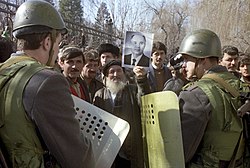
The late 1980s saw a period of profound change. The "Parade of Sovereignties" and various nationalist movements began to challenge central authority. By 1991, the union faced internal pressures that led to its formal dissolution on 26 December 1991. The former republics transitioned into independent states, forming the Commonwealth of Independent States (CIS).
Frequently Asked Questions
What was the main ideology of the Soviet Union?
The Soviet Union was a federal communist state, meaning its political and economic systems were built upon the principles of communism and the leadership of the Communist Party.
Who were the first and last leaders of the USSR?
Vladimir Lenin was the first leader of the Soviet Union (1922–1924), and Mikhail Gorbachev was the final leader (1985–1991).
What happened to the Soviet Union in 1991?
The Soviet Union underwent a formal dissolution on 26 December 1991, resulting in the emergence of several independent post-Soviet states.
Was the Soviet Union a secular state?
Legally, the Soviet Union was a secular state, but in practice, it enforced a policy of state atheism.
What was the significance of the Soviet space program?
The Soviet space program achieved major historical milestones, including the launch of the first artificial satellite, Sputnik 1, and sending the first human, Yuri Gagarin, into space.