South American Cuisine: A Fusion of Culture and Geography
South American cuisine is a vibrant tapestry woven from a diverse array of ethnic influences. The continent's culinary identity is a result of a complex fusion between Indigenous South American traditions and the arrivals of Spanish, Portuguese, Italian, African, and Indian (South Asian) cultures. This blend of European, North American, and native influences varies significantly across the continent, dictated largely by the distinct physical regions and their available natural resources.
Key Facts
- Diverse Influences: A mix of Indigenous, European (Spanish, Portuguese, Italian), African, and South Asian traditions.
- Regional Staples: Corn, potatoes, and quinoa are primary crops across the plains and highlands.
- Coastal Wealth: Abundant seafood including king crab, lobster, tuna, and Antarctic krill.
- Signature Meats: Widespread popularity of carne asada (grilled meat), as well as llama and guinea pig in Andean regions.
- National Icons: Feijoada is a cornerstone of Brazilian cuisine, while asado is central to Argentine culture.
Regional Culinary Landscapes
The Amazon Basin and Tropical Zones
The tropical regions are split between the Amazon interior and the Atlantic and Pacific coasts. The Amazon basin is a treasure trove of tropical fruits—such as guava, pineapple, papaya, mango, banana, and elderberry—and fresh fish. In the deep Amazon, native meats like capybara, turtles, peccary, and paca are utilized in traditional dishes such as juane, tacacho, and tacacá.
Along the coasts, the diet is complemented by cassava, sweet potatoes, and grains like rice and corn. Popular coastal dishes include ceviche (raw fish cured in citrus), tostones or patacón (fried plantains), arepa, chipa, sancocho, pabellón criollo, bandeja paisa, guatita, and sopa paraguaya.
Brazil's tropical influence is particularly strong, featuring national staples like feijoada (a hearty bean stew with beef and pork), arroz carreteiro, coxinha, and farofa. The state of Bahia specifically showcases a heavy African influence in its local cooking.
The Andes Mountains
Andean cuisine remains deeply rooted in indigenous traditions, where corn, potatoes, and other tubers serve as the primary sustenance. Unique regional proteins include llama in Peru and guinea pig across Chile, Bolivia, Peru, Colombia, and northwest Argentina. In freshwater areas, trout is a common choice.
The region is known for chupe andino (various mountain stews and soups) and the traditional drink chicha. Other notable dishes include humitas, locro, chanfaina, arepas, and quimbolitos (dessert tamales). In Ecuador, the pachamanca is a famous traditional preparation.
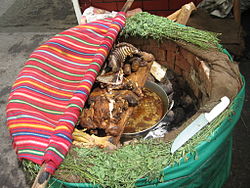
In the wetter Peruvian regions, the production of sugar cane, lemons, bananas, and oranges supports dishes like sancocho, huevos quimbos, potato pie, and ch'arki. In the southern Andes, the Chiloé Archipelago blends native and German influences to create valdiviano and curanto.
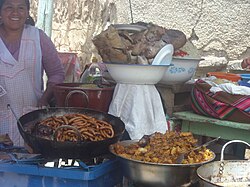
The Pampas
The Pampas, the vast fertile plains of Argentina and Uruguay, exhibit the strongest Italian and Spanish influences. This region is the heart of Argentine culinary identity, centered around asado (or churrasco in Brazil), dulce de leche, and milanesa. While pasta and polenta are common, Argentine pizza differs from the Italian variety, resembling calzones more closely.
Popular fast foods include empanadas and choripán. Spanish-derived contributions include churros, ensaïmada, alfajor, Spanish potato tortillas, meatballs, sopa de mondongo, and puchero. The traditional drink mate is widely consumed across the Pampas.
Common Ingredients and Global Diffusion
Across the continent, shredded beef is a versatile staple served with various accompaniments.
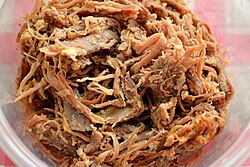
South American flavors have traveled far beyond their borders. In Australia, Latin American cuisine began appearing on the southeast coast, specifically Sydney, as early as the 1950s. In the United States, early establishments like Caso do Brazil (1955) and the Machu Picchu nightclub (1963) introduced diners to Peruvian specialties like ceviche and anticuchos. Today, Brazilian imports such as guarana, guava paste, and cachaça (the base for the caipirinha cocktail) are increasingly common in U.S. markets.
| Region | Primary Influences | Key Ingredients | Signature Dishes |
|---|---|---|---|
| Andes | Indigenous | Potatoes, Corn, Llama, Guinea Pig | Pachamanca, Chupe Andino, Humitas |
| Pampas | Spanish, Italian | Beef, Wheat, Dairy | Asado, Milanesa, Empanadas |
| Tropical/Amazon | Indigenous, African | Cassava, Tropical Fruits, Native Game | Feijoada, Ceviche, Juane |
Frequently Asked Questions
What is feijoada?
Feijoada is a traditional Brazilian stew made with beans, beef, and pork, and is considered a national dish of Brazil.
What are the main indigenous staples of the Andes?
The principal foods of the Andean region are corn, potatoes, and various other tubers.
How does Argentine pizza differ from Italian pizza?
Argentine pizza is distinct from the traditional Italian style and is noted for being closer to calzones.
What is asado?
Asado refers to the popular South American tradition of grilling meat in the open air, a practice also known as churrasco in Brazil.
Which animals are traditionally eaten in the Amazon?
The Amazon region utilizes native meats such as capybara, turtles, peccary, and paca.