Empanadas: A Global Journey of the Savory Turnover
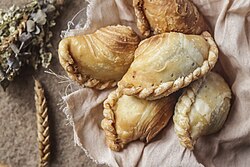
The empanada is one of the world's most versatile culinary treasures. At its core, it is a turnover consisting of a pastry shell wrapped around a flavorful filling, which is then either baked or fried. The name is derived from the Spanish word empanar, meaning "to bread" or "to coat in bread," literally translating to "breaded." While they are a staple of Spanish and Latin American diets, these handheld delights have evolved into diverse forms across Southern Europe, North and West Africa, South Asia, and the Philippines.
Key Facts
- Origin: Believed to have originated in 7th-century Galicia, Spain.
- Core Ingredients: Typically made with wheat or corn dough and filled with meat, cheese, or vegetables.
- Cooking Methods: Primarily deep-fried or oven-baked.
- Global Reach: Found in various forms from the panada of Indonesia to the chaussons of France.
The Origins and History of the Empanada
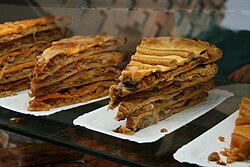
While the exact origin is unknown, historians believe the empanada emerged in Galicia, a region in northwest Spain, as early as the 7th century. During the Visigothic era, specific rules for their preparation were already being decreed. Early versions often featured chicken or mushroom fillings.
The empanada was particularly prized by travelers; the enclosed pastry acted as a protective shell, preventing road dust from contaminating the food inside. Historical records highlight their longevity: they are mentioned in the Cantigas de Santa Maria (c. 1282) and in Rabbinic Jewish texts from the 13th century, where they are referred to as inpanada or panada. By 1520, the Catalan cookbook Llibre del Coch described seafood-filled versions used in Arabian, French, Italian, and Catalan cuisines.
Regional Variations Across the Americas
As the Spanish empire expanded, the empanada traveled to the Americas, where local ingredients transformed the recipe into distinct national identities.
South American Styles
In Argentina, empanadas are essential for festivals and parties. Each region has its own style, such as the salteñas from Salta, which are small, spicy, and contain potatoes and ground chili.
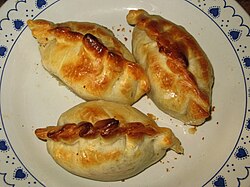
Chilean traditions include the empanada de pino (or de horno), a baked turnover filled with seasoned ground beef, onions, olives, raisins, and hard-boiled eggs. Colombia distinguishes its version by using a cornmeal-based dough, often served with ají (a spicy chili sauce) and lime.
Venezuela also utilizes corn dough, often colored yellow with annatto. A notable variety is the empanada de pabellón, which combines shredded beef, black beans, fried plantains, and white cheese in one shell.
Central American and Caribbean Variations
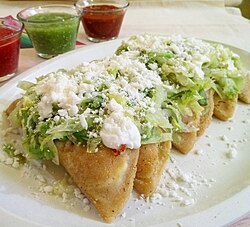
In Mexico, empanadas are made from masa (fried corn paste) rather than flour, filled with taco-style ingredients like refried beans or pork belly, and topped with queso fresco and cream.
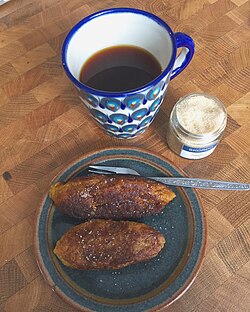
El Salvador offers a unique twist by using plantains. The empanadas de plátano are torpedo-shaped dumplings made from ripe plantains, filled with vanilla custard or refried beans, and rolled in sugar.
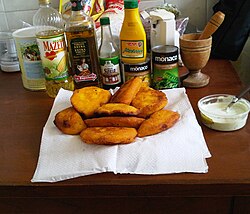
In Belize, these are called panades. Made with corn dough and stuffed with fish, chicken, or beans, they are typically deep-fried and topped with cabbage or salsa.
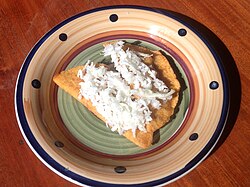
Ecuador is famous for the empanada de viento ("wind empanada"). These thin flour dough pastries are filled with cheese and deep-fried until they puff up with air, leaving a hollow center.
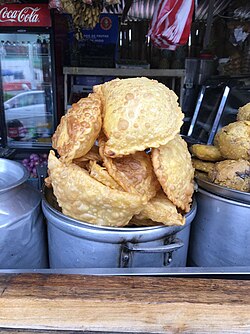
In Puerto Rico, the empanadillas are flour-based and fried, featuring a wide array of fillings from ground beef picadillo to crab, octopus, or guava and cheese.
Empanadas Beyond the Americas
The influence of the empanada extends far beyond the Western Hemisphere, adapting to the tastes of Europe and Asia.
European Adaptations
In France, the chaussons are half-moon puff pastries filled with stews like daube or confit. When rectangular, they are called friand. Italy boasts the Sicilian 'mpanatigghi from Modica, a complex sweet-and-savory pastry containing minced beef, chocolate, almonds, and cinnamon.
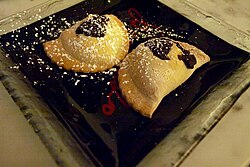
Portugal features the Pasteis de Bacalhau (codfish) and Rissols (shrimp), both of which are beloved fried delicacies.
Asian Influence
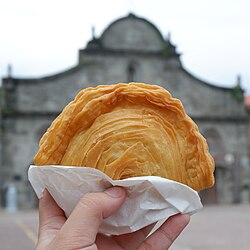
In the Philippines, empanadas often feature a sweet-and-savory picadillo filling (beef, pork, or chicken with raisins). The Ilocos Empanada is particularly distinct, using a rice flour dough colored orange with annatto and filled with Vigan longganisa (sausage) and egg yolk.
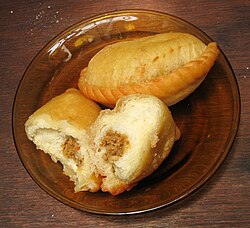
In Indonesia, the panada of North Sulawesi was influenced by the Portuguese. These have a thick, fried-bread crust and are filled with spicy cakalang (skipjack tuna).
Global Comparison Table
| Region/Country | Local Name | Primary Dough | Common Fillings | Cooking Method |
|---|---|---|---|---|
| Spain (Galicia) | Empanada | Wheat Flour | Chicken, Mushroom | Baked |
| Colombia | Empanada | Cornmeal | Meat, Potato, Rice | Deep-fried |
| El Salvador | Empanada de plátano | Ripe Plantain | Vanilla Custard, Beans | Fried |
| Philippines (Ilocos) | Ilocos Empanada | Rice Flour/Galapong | Longganisa, Papaya | Deep-fried |
| Indonesia | Panada | Fried Bread | Skipjack Tuna, Chili | Fried |
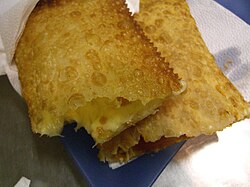
| Brazil | Pastel | Wheat Flour | Various | Fried |
Frequently Asked Questions
What is the difference between a baked and fried empanada?
Baked empanadas, like the Chilean empanada de pino, generally have a sturdier, bread-like crust. Fried empanadas, common in Colombia and Venezuela, typically have a crispier, thinner exterior and often use corn-based doughs.
Are empanadas always savory?
No. While most are savory, there are many sweet versions, such as the Salvadoran plantain empanadas filled with custard or the Filipino empanaditas filled with coconut caramel (latik) or peanut butter.
What is the difference between an empanada and a corn tortilla?
While both can use corn (masa), an empanada is a turnover—meaning the dough is folded over a filling and sealed—whereas a tortilla is a flatbread used to wrap or hold ingredients.
Where can I find empanadas in the United States?
Empanadas are widely available in cities with large Hispanic populations, including Miami, Los Angeles, San Francisco, San Antonio, and the New York City metropolitan area, often sold via food trucks and specialized restaurants.