Soul Music: The Evolution of an African-American Cultural Powerhouse
Soul music is more than just a genre; it is a profound expression of African-American pride and culture. Emerging from the urbanization and commercialization of rhythm and blues (R&B) in the 1960s, soul blended the spiritual intensity of gospel with secular lyrics to create a sound that dominated the U.S. charts and eventually captured the world's attention. From the polished studios of Detroit to the gritty recording rooms of Memphis, soul music has continuously evolved, splintering into diverse subgenres that continue to influence modern pop and hip-hop.
Key Facts
- Origins: Developed from a fusion of rhythm and blues and gospel music.
- Peak Era: Dominated U.S. R&B charts in the 1960s with significant crossover success in the UK.
- Key Hubs: Major regional scenes developed in Detroit (Motown), Memphis (Stax/Hi), Chicago, Philadelphia, and New Orleans.
- Evolution: Transitioned from early soul to funk, psychedelic soul, and eventually neo soul in the 1990s.
- Cultural Impact: The term "soul" carries deep connotations of African-American identity and heritage.
The Foundations of Soul
The term "soul music" first appeared in 1961 to describe gospel-style music featuring secular themes. It grew out of a broader movement where jazz artists began incorporating gospel elements, leading to the creation of soul jazz. This transition was spearheaded by pioneers who dared to bridge the gap between the sacred and the profane.
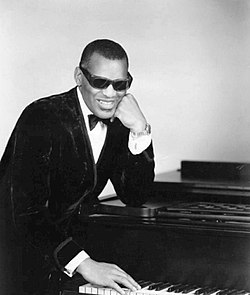
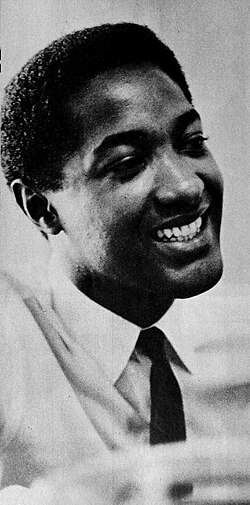
Ray Charles is widely credited as a pioneer who combined blues, R&B, and gospel to lay the groundwork for the genre. Similarly, Sam Cooke and Jackie Wilson are regarded as "forefathers" of soul. Cooke, formerly the lead singer of the gospel group the Soul Stirrers, transitioned to secular music with the 1957 hit "You Send Me," while his 1962 track "Bring It On Home to Me" is often cited as a defining record of the soul experience.
The Golden Era of the 1960s
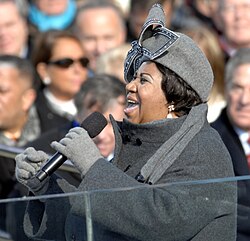
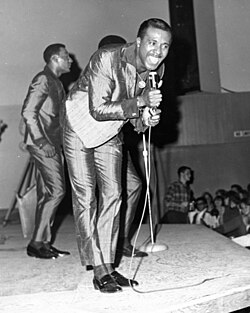
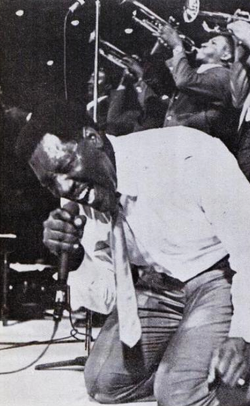
By the 1960s, soul had become an umbrella term for a wide array of R&B-based styles. This era saw the rise of the "Queen of Soul," Aretha Franklin, and the "Godfather of Soul," James Brown. The decade was also defined by the Chitlin' Circuit, a network of performance venues where acts like Ike & Tina Turner honed their electrifying stage presence before crossing over into the pop charts.
![James Brown was known as the "Godfather of Soul".[15]](/images/f4/c7/f4c784c31702af85e70e0a46c4f5b5c3d21e1605236aaa51b8d4104e323012c9.jpg)
The Motown Sound
In Detroit, Berry Gordy's Motown Records created a polished, pop-oriented style known as pop-soul. Characterized by powerful basslines, brass, strings, and hand clapping, the Motown sound was designed for crossover success on pop radio. The label's house band, the Funk Brothers, provided the rhythmic backbone for legendary acts like the Supremes, the Temptations, Stevie Wonder, and the Jackson 5.
Deep and Southern Soul
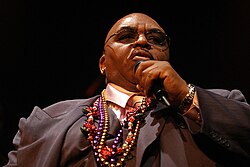
While Detroit focused on polish, Memphis offered a more sultry, melancholic sound. Stax Records and Hi Records became the epicenters of Southern soul, utilizing the Hammond organ and melodic horns. Artists like Otis Redding and Al Green epitomized this raw, emotive style, which often felt more grounded in the traditions of the American South.
Expansion and Innovation: 1970s and 1980s
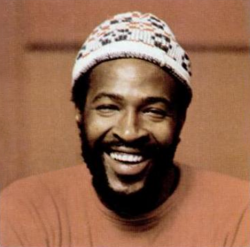
As the 1960s ended, soul began to splinter. James Brown pushed the genre toward funk, emphasizing the "one" beat and rhythmic complexity, which paved the way for bands like Parliament-Funkadelic. Simultaneously, artists like Marvin Gaye and Stevie Wonder embraced a more conceptual, album-oriented approach influenced by progressive rock, leading to progressive soul.
The 1970s also saw the rise of psychedelic soul and the emergence of "blue-eyed soul," where non-African-American artists like Hall & Oates achieved mainstream success. Culturally, the debut of Soul Train in 1971, hosted by Don Cornelius, provided a vital televised platform for the genre, eventually spawning Solar Records in the 1980s.
Modern Iterations and Global Reach
Soul music's influence extended far beyond the U.S. In the UK, the Northern Soul movement emerged from the mod subculture in Northern England. DJs sought out obscure, uptempo American soul records from the 60s, creating a unique dance culture centered on fast beats.
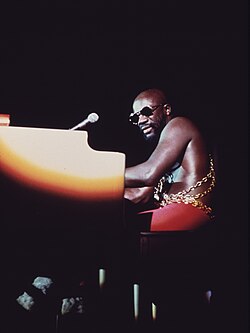
In the 1990s, neo soul emerged as a blend of 1970s instrumentation and contemporary R&B and hip-hop. Coined by Kedar Massenburg, this style is characterized by the warm, organic sound of the Fender Rhodes or Wurlitzer electronic piano and a mellow, funky bassline.

Soul Music Summary
| Style/Subgenre | Primary Characteristics | Key Locations/Labels | Notable Artists |
|---|---|---|---|
| Pop-Soul | Polished production, pop-radio appeal | Detroit / Motown | Stevie Wonder, The Supremes |
| Southern Soul | Sultry, melancholic, Hammond organ | Memphis / Stax, Hi | Otis Redding, Al Green |
| Progressive Soul | Sophisticated musicality, conceptual albums | Various | Marvin Gaye, Curtis Mayfield |
| Neo Soul | Hip-hop beats, Fender Rhodes piano | Modern Era | Soulquarians collective |
| Northern Soul | Fast tempo, heavy beat | Northern England | Obscure 60s US artists |
Frequently Asked Questions
What is the difference between soul and R&B?
While closely related, soul music specifically emerged as a fusion of R&B and gospel music, often carrying deeper connotations of African-American cultural pride and spiritual intensity compared to the broader R&B category.
Who are the most influential figures in soul music?
Key pioneers include Ray Charles, Sam Cooke, and James Brown. Other towering figures include Aretha Franklin, known as the "Queen of Soul," and Stevie Wonder, who helped evolve the genre into progressive soul.
What defines the "Motown Sound"?
The Motown sound is characterized by its polished production, strong rhythmic drive, and the use of strings, brass, vibraphones, and hand clapping, designed to appeal to a wide pop audience.
What is neo soul?
Neo soul is a modern blend of 1970s soul vocals and instrumentation mixed with contemporary R&B sounds and hip-hop beats, often featuring the warm sound of electronic pianos like the Fender Rhodes.
Where did Northern Soul originate?
Northern Soul originated in the late 1960s within the British mod subculture of Northern England and the English Midlands, focusing on fast-tempo, rare American soul records.