Soil pH: Impact on Nutrient Availability and Plant Growth
Soil pH is a fundamental measure of the acidity or alkalinity of a soil. In the world of agriculture and environmental science, it is regarded as a master variable because it governs a vast array of chemical processes within the earth. By influencing the chemical forms of nutrients and the reactions they undergo, soil pH directly determines whether a plant can thrive or struggle to survive.
Technically, pH is defined as the negative logarithm (base 10) of the activity of hydronium ions (H3Oaq) in a solution. In practical field terms, this is measured by mixing soil into a slurry with water or a salt solution, such as 0.01 M CaCl2. While the scale typically ranges from 3 to 10, a value of 7 is considered neutral. Values below 7 are acidic, and those above 7 are alkaline.
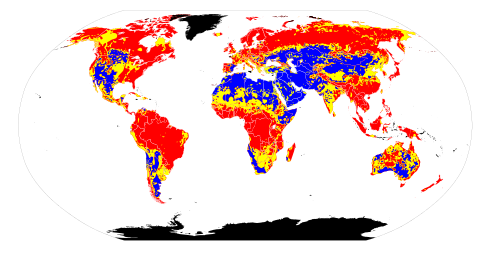
Key Facts
- Neutral Point: A pH of 7.0 is neutral; below 7 is acidic, and above 7 is alkaline.
- Optimal Range: Most plants prefer a pH range between 5.5 and 7.5.
- Master Variable: pH controls the solubility and availability of essential plant nutrients.
- Rare Extremes: Ultra-acidic soils (pH < 3.5) and very strongly alkaline soils (pH > 9) are uncommon.
- Measurement: Soil pH is typically determined using a slurry of soil mixed with water or a salt solution.
Classification of Soil pH Ranges
The United States Department of Agriculture (USDA) Natural Resources Conservation Service (NRCS) provides a standardized semantic description for soil pH levels to ensure consistency in soil analysis.
| Semantic Description | pH Range |
|---|---|
| Ultra acidic | < 3.5 |
| Extremely acidic | 3.5–4.4 |
| Very strongly acidic | 4.5–5.0 |
| Strongly acidic | 5.1–5.5 |
| Moderately acidic | 5.6–6.0 |
| Slightly acidic | 6.1–6.5 |
| Neutral | 6.6–7.3 |
| Slightly alkaline | 7.4–7.8 |
| Moderately alkaline | 7.9–8.4 |
| Strongly alkaline | 8.5–9.0 |
| Very strongly alkaline | > 9.0 |
Factors Influencing Soil pH
Sources of Acidity
Soil acidification occurs through various natural and human-induced processes. These can include the deposition of acid rain or the use of specific nitrogen-based fertilizers that release protons into the soil solution.
Sources of Alkalinity
Conversely, total soil alkalinity increases through the weathering of carbonate minerals and aluminosilicates containing sodium (Na), calcium (Ca), magnesium (Mg), and potassium (K). Additionally, irrigating with water high in dissolved bicarbonates can raise the pH of the soil.
One physical indicator of alkaline conditions is the presence of a caliche layer, which signifies the accumulation of calcium carbonates.
Effect of pH on Plant Growth and Nutrients
The relationship between pH and nutrient availability is critical. If the pH is too high or too low, certain nutrients become chemically locked and unavailable to the plant, regardless of how much fertilizer is applied.
![Nutrient availability in relation to soil pH[49]](/images/f2/1a/f21a5d94af1a9f9fdc63f8ecde8c82acc28fec685e09f845227d334cae084748.webp)
Plant pH Preferences
While many plants prefer the 5.5 to 7.5 range, some species have evolved to thrive in extreme conditions. For example, vetiver grass can tolerate a wide range from 3.0 to 8.0, while the Barbary fig prefers alkaline conditions between 7.0 and 8.5.
- Acid-loving plants: Pitch pine (3.5–5.1) and Cloudberry (4.0–5.2).
- Moderate range plants: Garden tomato (5.5–7.0) and Apple (5.0–7.5).
- Alkaline-tolerant plants: Siberian peashrub (6.0–9.0) and Barbary fig (7.0–8.5).
Soil Biota and pH
Soil pH does not only affect plants but also the biological community living in the soil. The structure of bacterial communities and the presence of microarthropods are often predicted by the pH of their environment. In turn, soil biota can influence pH; for instance, certain fungi release protons and oxalate ions into the rhizosphere (the soil zone surrounding plant roots), altering the local pH to facilitate nutrient uptake.
Frequently Asked Questions
What is the ideal soil pH for most plants?
Most plants thrive in a pH range between 5.5 and 7.5, though specific requirements vary by species.
How is soil pH measured?
It is typically measured by creating a slurry of soil mixed with water or a salt solution (like 0.01 M CaCl2) and using a pH meter or indicator.
What happens to nutrients in very acidic soil?
In highly acidic soils, certain nutrients may become unavailable, while others, such as aluminum, can reach toxic levels that inhibit root growth.
What causes soil to become alkaline?
Alkalinity is often caused by the weathering of minerals containing calcium, magnesium, sodium, or potassium, or by irrigation with water containing high levels of bicarbonates.
Can plants change the pH of the soil around them?
Yes, through the rhizosphere, plants and their associated fungi can release ions that modify the pH of the immediate surrounding soil to improve nutrient absorption.