Soil Contamination: Causes, Health Risks, and Remediation Strategies
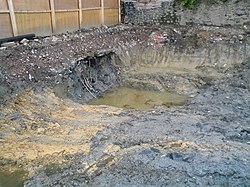
Soil contamination, also referred to as soil pollution or land pollution, is a critical component of land degradation. It occurs when xenobiotic (human-made) chemicals are introduced into the environment or when the natural soil composition is significantly altered. This degradation often stems from industrial activities, the misuse of agricultural chemicals, or the improper disposal of waste.
The most prevalent contaminants include petroleum hydrocarbons, solvents, pesticides, heavy metals, and polynuclear aromatic hydrocarbons, such as naphthalene and benzo(a)pyrene. Because soil acts as a foundation for ecosystems and food production, its contamination poses a systemic threat to environmental stability and human health.
Key Facts
- Primary Sources: Industrial activity, intensive farming, and improper waste management.
- Common Pollutants: Heavy metals, petroleum hydrocarbons, and synthetic pesticides.
- Health Risks: Exposure occurs via direct skin contact, inhalation of vapors/dust, or consumption of contaminated food.
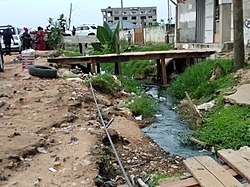
- Environmental Impact: Contaminants can leach into groundwater and aquifers, spreading pollution beyond the initial site.
- Detection: While mapping is expensive, examining humus forms (the organic component of soil) can be a low-cost method for early detection.
Causes of Soil Pollution
Soil pollution arises from a diverse array of human activities. These range from large-scale industrial accidents to daily urban waste mismanagement.
Industrial and Urban Sources
- Heavy Industry: Mining operations and the direct discharge of industrial wastes.
- Infrastructure Failure: Corrosion of underground storage tanks and their associated piping.
- Urban Waste: Electronic waste (e-waste), road debris, and the use of exterior lead-based paints.
- Accidents: Oil spills, fuel dumping, and industrial accidents.

Agricultural and Environmental Sources
- Agrochemicals: Intensive farming utilizing synthetic fertilizers, herbicides, and pesticides.
- Atmospheric Deposition: Acid rain and the fallout of coal ash.
- Waste Management: Landfills, illegal dumping, and the discharge of sewage.
- Warfare: Remnants of chemical agents, ammunition, and other agents of war.
Human Health and Exposure Pathways
Human exposure to soil contaminants is typically accidental. Once chemicals enter the soil, they can migrate through several pathways to enter the human body.
How Contaminants Enter the Body
- Ingestion: Directly eating soil or dust, or consuming vegetables grown in contaminated earth.
- Inhalation: Breathing in clouds of dust during soil work or inhaling volatile vapors emanating from the ground.
- Dermal Contact: Direct skin contact with contaminated soil or dust.
Management and Remediation
Addressing soil contamination is a complex process requiring expertise in geology, hydrology, chemistry, computer modelling, and Geographic Information Systems (GIS). Because mapping and cleanup are time-consuming and expensive, different regions have adopted various regulatory frameworks.
Global Regulatory Approaches
North America and Europe generally have established legal frameworks to identify and manage contaminated land. In contrast, many other countries that have undergone rapid industrialization are still developing the regulations necessary to combat this issue.
Regional Standards
- United Kingdom: Uses Contaminated Land Exposure Assessment (CLEA) Soil Guideline Values (SGVs) tailored for residential, allotment, and commercial/industrial land uses.
- European Union: Implements soil monitoring laws to track and prevent degradation.
- Canada and China: Both nations utilize specific soil quality guidelines to protect human health and the environment.
| Contaminant Group | Common Examples | Primary Sources |
|---|---|---|
| Hydrocarbons | Petroleum, Naphthalene | Oil spills, gasworks, fuel dumping |
| Heavy Metals | Lead, Arsenic, Nickel | Mining, e-waste, lead-based paint |
| Agrochemicals | Pesticides, Herbicides | Intensive farming, agriculture |
| Industrial Waste | Solvents, Nuclear waste | Chemical plants, illegal dumping |
Frequently Asked Questions
What is the difference between soil contamination and soil pollution?
While often used interchangeably, soil contamination refers to the presence of xenobiotic chemicals or other alterations in the natural soil environment, which can lead to broader soil pollution and land degradation.
How does soil contamination affect water supplies?
Contaminants in the soil can leach downward, causing secondary contamination of groundwater and the aquifers that lie beneath the soil surface.
Can soil contamination be detected without expensive equipment?
Yes, it has been suggested that a cursory examination of humus forms—specifically the thickness and structure of the underlying mineral horizon—can be used as a low-cost method for early detection.
What are the primary ways humans are exposed to polluted soil?
Humans are primarily exposed through the accidental ingestion of contaminated dust or food, skin contact with the soil, and the inhalation of dust or chemical vapors.