Sociedade Esportiva Palmeiras: A Legacy of Brazilian Football Excellence
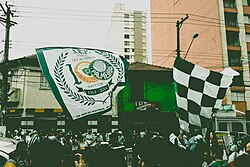
Sociedade Esportiva Palmeiras, known affectionately as Alviverde (Green and White), stands as one of the most decorated and storied institutions in South American football. From its origins as a cultural hub for the Italian community to its current status as a global powerhouse, the club has consistently defined the standards of excellence in Brazilian sport.
Whether referred to by its historic name, Palestra Itália, or its adopted mascot, the Porco (Pig), Palmeiras has navigated over a century of triumphs and trials to secure its place at the pinnacle of the game.

Key Facts
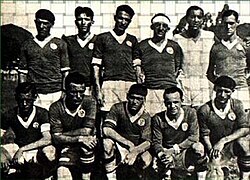
- Founded: August 26, 1914 (as Palestra Itália); renamed Sociedade Esportiva Palmeiras on September 14, 1942.
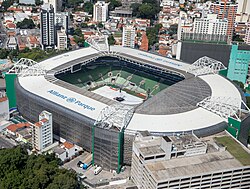
- Home Ground: Nubank Parque (Capacity: 43,713).
- Major Honors: 12 Campeonato Brasileiro Série A titles and 3 Copa Libertadores trophies.
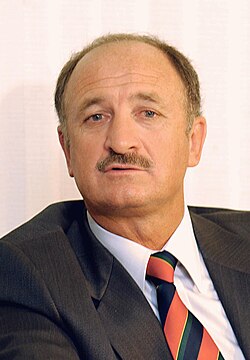
- Current Leadership: President Leila Pereira and Head Coach Abel Ferreira.
- Primary Nicknames: Alviverde, Periquito (Plain parakeet), and Porco.
The Evolution of a Giant: From Palestra to Palmeiras

Foundation and Early Success (1914–1945)
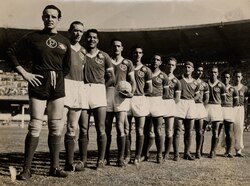
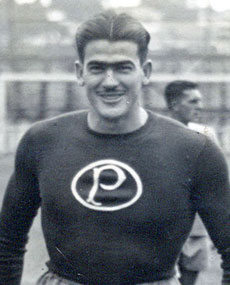
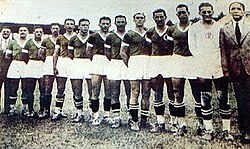
The club began its journey on August 26, 1914, as Palestra Itália. During these early decades, the club established itself as a dominant force in the state of São Paulo, securing its first state titles and building a passionate following.
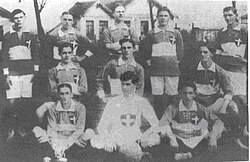
The transition to the name Sociedade Esportiva Palmeiras occurred in 1942 during a period of political pressure. The club's resilience during this era is captured in the sentiment: "They don't want us to be Palestra, so then we shall be Palmeiras – born to be champions."
The Golden Era and the "Academy"
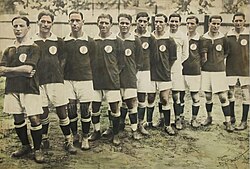
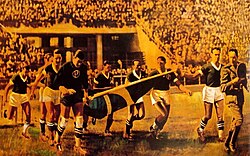
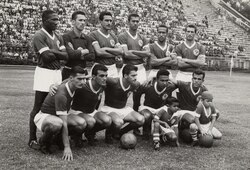
By the mid-20th century, Palmeiras had become a Brazilian giant. A landmark achievement came in 1951 with the victory in the Copa Rio, a feat later praised by FIFA. The club also earned the nickname "The Academy" due to its sophisticated style of play and technical mastery on the pitch.
Modern Dominance and the 21st Century
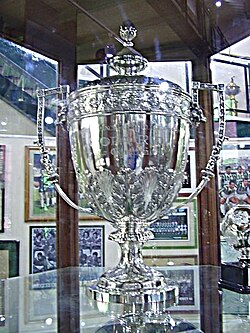
After a challenging period in the 1980s, the club surged back to prominence in the late 1990s. In 1998, they secured both the Copa do Brasil and the Copa Mercosur. This momentum culminated in 1999 with the club's first Copa Libertadores trophy, the most prestigious club competition in South America.
The modern era has seen a resurgence of dominance under the leadership of coach Abel Ferreira. The club achieved a historic treble in 2020 and continued its success with further Libertadores titles in 2021 and a Recopa Sudamericana in 2022.

Stadiums and Infrastructure
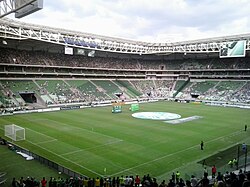
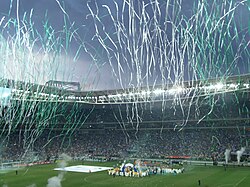
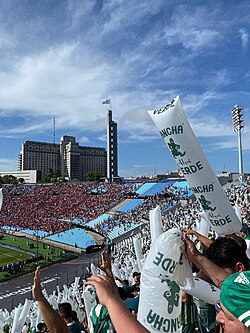
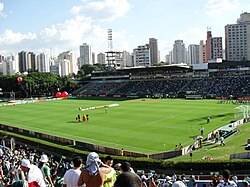
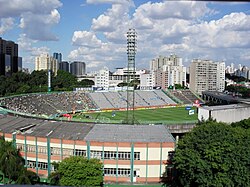
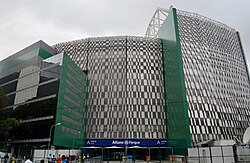
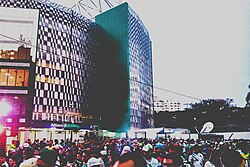
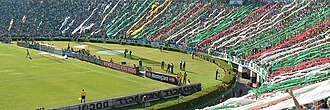
For nearly a century, the club played at the Estádio Palestra Itália (1917–2010). In 2014, the club transitioned to the state-of-the-art Allianz Parque (currently known as Nubank Parque), a multi-purpose arena that has modernized the match-day experience for the Alviverde faithful.
Club Records and Legends
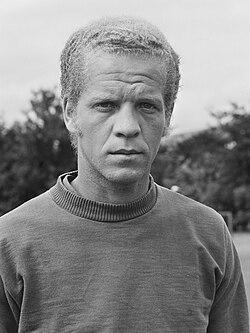
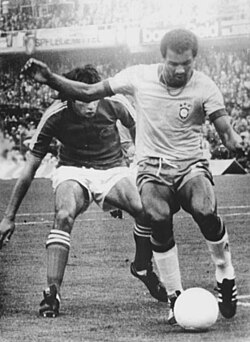
Palmeiras has been home to some of the greatest talents in football history. Ademir da Guia remains a towering figure, holding the record for the most appearances with 902 games. In terms of scoring, Heitor leads the all-time charts with 323 goals.
| Category | Player | Statistic | Period |
|---|---|---|---|
| Top Scorer | Heitor | 323 Goals | 1916–1931 |
| Most Appearances | Ademir da Guia | 902 Games | 1961–1977 |
| Legendary Keeper | Marcos | 533 Games | 1992–2011 |
Major Honors Summary
Palmeiras boasts one of the most impressive trophy cabinets in world football, spanning continental, national, and state competitions.
- Continental: 3x Copa Libertadores (1999, 2020, 2021), 1x Copa Mercosur (1998), 1x Recopa Sudamericana (2022).
- National: 12x Campeonato Brasileiro Série A, 4x Copa do Brasil, 1x Supercopa do Brasil.
- State: 27x Campeonato Paulista titles.

Frequently Asked Questions















Why did the club change its name from Palestra Itália to Palmeiras?
The name change occurred in 1942 due to the political climate of the time, which pressured clubs with ties to Axis powers (Italy) to change their identities.
What is the significance of the "Porco" nickname?
The Porco (Pig) was adopted as a mascot in 1987, transforming a former taunt from rivals into a symbol of pride for the fans and players.
Who is the current head coach of Palmeiras?
The current head coach is Abel Ferreira, who has led the team to numerous titles, including recent Copa Libertadores victories.
Where does Palmeiras play its home matches?
The club plays at Nubank Parque (formerly Allianz Parque), a modern stadium with a capacity of 43,713.
How many times has Palmeiras won the Brazilian league?
Palmeiras has won the Campeonato Brasileiro Série A a record 12 times.