Ronaldinho: The Flamboyant Maestro of Global Football
Few players in the history of football have captured the imagination of fans quite like Ronaldo de Assis Moreira, known globally as Ronaldinho. A master of the pitch, Ronaldinho combined technical brilliance with a joyful spirit, transforming the game into an art form. From the streets of Porto Alegre to the grandest stadiums in Europe, his journey is a testament to the power of creativity and skill in sport.
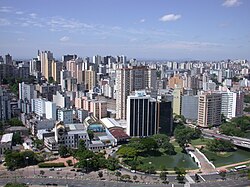
Born on March 21, 1980, in Porto Alegre, Rio Grande do Sul, Brazil, Ronaldinho's early years were marked by a natural affinity for the ball. By the age of eight, he had moved into an affluent suburb, but his heart remained in the game.
Key Facts
- Full Name: Ronaldo de Assis Moreira
- Primary Positions: Attacking midfielder and left winger
- Major Honors: FIFA World Cup (2002), Ballon d'Or (2005), and UEFA Champions League (2005–06)
- Career Peak: Named FIFA World Player of the Year in 2004 and 2005
- International Impact: Earned 97 caps and scored 33 goals for the Brazil senior national team
- Philanthropy: Has served as a UNICEF ambassador since February 2006
The Rise Through the Ranks
Ronaldinho began his professional journey with Grêmio, where he quickly established himself as a rising star between 1998 and 2001. His ability to dismantle defenses with ease caught the attention of European scouts, leading to a move to Paris Saint-Germain (PSG) in 2001.
![Ronaldinho arrived at the Parc des Princes (pictured) to much fanfare.[24]](/images/14/2c/142c7a5adf4f0a042a336467b08f06916757a21103fa232786c29d17b73aa947.jpg)
At PSG, he spent two seasons refining his game, scoring 17 goals in 55 league appearances. This period served as the launchpad for his move to one of the world's most prestigious clubs: FC Barcelona.
The Golden Era at FC Barcelona
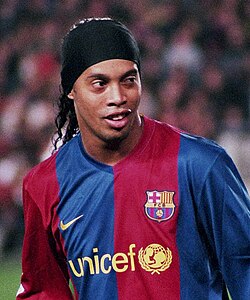
Joining Barcelona in 2003, Ronaldinho entered the most prolific phase of his career. He became the face of the club, leading them to two La Liga titles (2004–05, 2005–06) and the UEFA Champions League in 2006. His tenure was defined by an extraordinary level of vision—the ability to see passes and plays before they happened—and unmatched creativity.
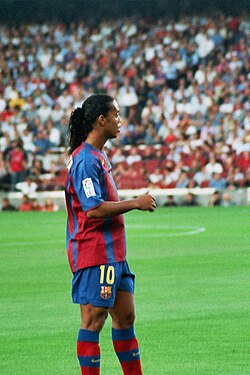
During the 2005–06 season, he was the top assist provider in both La Liga and the UEFA Champions League. His brilliance was recognized globally, earning him the Ballon d'Or in 2005 and the FIFA World Player of the Year award in both 2004 and 2005.
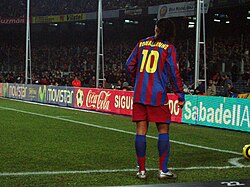
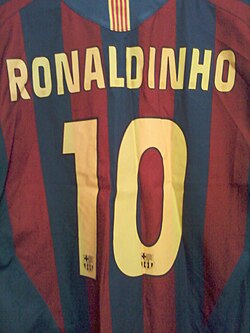
However, after reaching the pinnacle of the sport, a decline in focus and training led to his eventual departure from the club in 2008.
![After winning every major trophy in the sport, Ronaldinho started to lose focus, partying more and training less, and was sold by Barcelona.[68]](/images/72/65/7265469a9709147ae1a6f7d230db1fbc31461af6a5716b8dd404cdf0c42e45e6.jpg)
Later Club Career and Return to Brazil
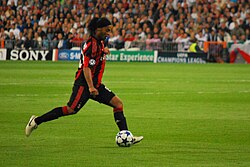
In 2008, Ronaldinho moved to Italy to join AC Milan. While he remained a potent threat, contributing to a Serie A title in 2010–11, he was no longer the dominant force he had been in Spain.
![Ronaldinho playing for Milan in 2010 wearing number 80—the year of his birth[81]](/images/dc/98/dc98af6cfe23b588713b637bf46f69a372ff584e2f7b58e6660a8d5aab225331.jpg)
He later returned to his homeland, playing for Flamengo and Atlético Mineiro. At Atlético Mineiro, he experienced a late-career resurgence, winning the Copa Libertadores in 2013 and being named the South American Footballer of the Year.
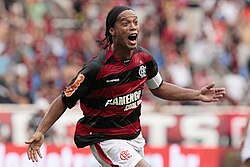
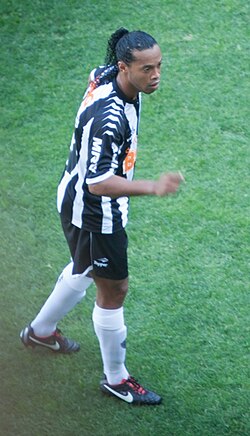
His journey eventually took him to Mexico with Querétaro and back to Brazil with Fluminense before his first retirement. Most recently, he has been associated with Ravenna FC.
International Glory with Brazil
Ronaldinho's international career was as decorated as his club career. He was a pivotal part of the Brazil squad that won the 2002 FIFA World Cup in Korea/Japan. He also secured the Copa América in 1999 and the FIFA Confederations Cup in 2005.
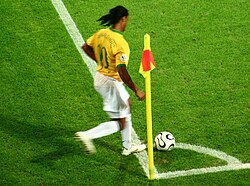
Even in the twilight of his international years, he contributed to Brazil's success, earning an Olympic Bronze Medal at the 2008 Beijing Games.
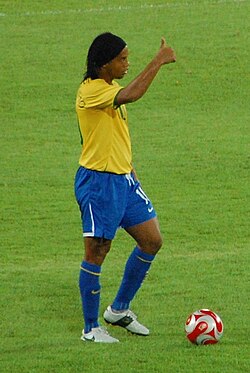
Playing Style and Legacy
Ronaldinho is remembered for his dribbling—the skill of moving the ball past opponents with precision—and a wide array of tricks that often left defenders bewildered. His game was characterized by a blend of technical mastery and an innate sense of joy.
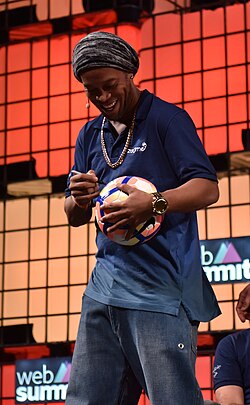
Beyond the pitch, he has used his platform for good, serving as a UNICEF ambassador to help children worldwide.
Career Summary
| Club | Years | Apps | Goals | Major Honors |
|---|---|---|---|---|
| Grêmio | 1998–2001 | 89 | 47 | Copa Sul, Campeonato Gaúcho |
| Paris Saint-Germain | 2001–2003 | 55 | 17 | UEFA Intertoto Cup |
| Barcelona | 2003–2008 | 145 | 70 | La Liga (x2), UEFA Champions League |
| AC Milan | 2008–2011 | 76 | 20 | Serie A |
| Flamengo | 2011–2012 | 56 | 23 | Campeonato Carioca |
| Atlético Mineiro | 2012–2014 | 58 | 20 | Copa Libertadores, Recopa Sudamericana |
Frequently Asked Questions
Which clubs did Ronaldinho play for during his career?
Ronaldinho played for several prominent clubs, including Grêmio, Paris Saint-Germain, FC Barcelona, AC Milan, Flamengo, Atlético Mineiro, Querétaro, and Fluminense.
What are Ronaldinho's most significant individual awards?
His most prestigious individual accolades include the Ballon d'Or (2005) and being named the FIFA World Player of the Year in both 2004 and 2005.
Did Ronaldinho win a World Cup?
Yes, Ronaldinho was a key member of the Brazilian national team that won the FIFA World Cup in 2002.
What was Ronaldinho's role on the field?
He primarily played as an attacking midfielder or a left winger, known for his ability to create scoring opportunities and score goals himself.
How many goals did he score for the Brazil national team?
Ronaldinho scored 33 goals in 97 appearances for the senior Brazil national team between 1999 and 2013.