Siltation: Causes, Environmental Impacts, and Mitigation Strategies
Siltation is a form of water pollution caused by the accumulation of particulate terrestrial clastic material, primarily consisting of silt or clay. This process involves both an increase in the concentration of suspended sediments in the water column and the subsequent buildup of these fine sediments on the bottom of water bodies where they are undesirable.
While often referred to as "sediment pollution," the term siltation is preferred by experts because it specifically addresses the physical accumulation of particles. In contrast, sediment pollution can be an ambiguous term that may also refer to chemical contaminants bound to sediment particles or the chemical contamination of the seabed itself.
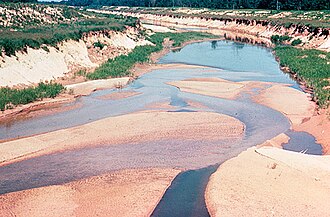
Key Facts
- Primary Causes: Soil erosion from agriculture and construction, sediment spills from dredging, and the discharge of untreated sewage sludge.
- Biological Impact: Siltation can bury sessile organisms; as little as 1 mm of accumulation can kill coral polyps.
- Measurement: Monitored via turbidity (water cloudiness), sediment concentration, and bathymetric surveys for navigation channels.
- Critical Vulnerabilities: Filtering benthic organisms (bottom-dwellers) and coral reefs are the most sensitive to siltation.
- Mitigation: Focuses on maintaining land cover, using silt screens in urban areas, and careful selection of materials for beach nourishment.
Causes of Siltation
The increase of sediment transport into water bodies generally stems from either land-based erosion or direct activities within the water.
Land-Based Erosion
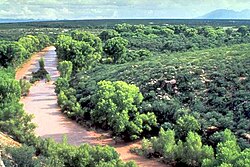
In rural environments, siltation is typically driven by soil degradation resulting from inadequate or intensive agricultural practices. This is especially prevalent in fine-grained soils, such as loess (wind-deposited silt), which easily wash into draining water bodies. In urban areas, construction is the primary driver. Clearing native vegetation creates an "urban desert" where fine particles are easily swept away during rainstorms.
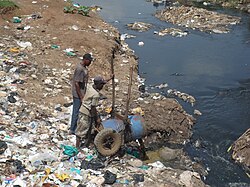
Water-Based Activities and Waste
Direct sediment spills often occur during dredging operations, the transportation of materials via barges, or the intentional deposition of dredged material. Such deposition may be used to clear navigation channels, create artificial islands, or perform beach replenishment.
Additionally, the discharge of septage (the liquid and solid material pumped from a septic tank) and other sewage sludges from households or businesses lacking proper wastewater treatment facilities contributes significantly to siltation.
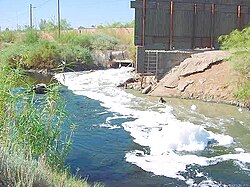
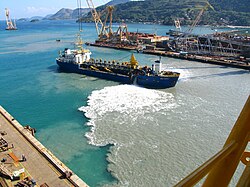
Climate change also plays a role in altering and potentially increasing siltation rates globally.
Environmental and Structural Vulnerabilities
Siltation affects different aquatic environments and species in varying ways. When sediment is in suspension (floating in the water), it acts as a pollutant for industrial processes requiring clean cooling water and for aquatic life sensitive to suspended solids.
Impact on Marine Life
While nekton (active swimmers like fish) can generally avoid sediment plumes, benthic organisms (bottom-dwellers) that filter water for food have no means of escape. Coral polyps are among the most vulnerable; a layer of sediment as thin as 1 mm can be fatal. Hard-bottom communities and mussel or oyster banks are significantly more sensitive than those living on sand or mud bottoms.
Impact on Infrastructure
Beyond biological harm, siltation poses a threat to human infrastructure. The undesired accumulation of sediments can clog irrigation channels and obstruct navigation channels, making them impassable for vessels.
Measurement and Monitoring
Monitoring siltation occurs at the source, during transport, and within the affected impact area.
Calculating Sediment Transport
Because measuring erosion at the source is difficult (often involving fractions of a millimeter per year), scientists typically measure the sediment in transport. This is calculated by multiplying the sediment concentration by the water discharge rate. For example, a concentration of 50 mg/L multiplied by a discharge of 30 m³/s results in a transport rate of 1.5 kg/s.
Monitoring the Impact Area
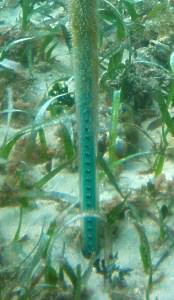
In open water, turbidity (the cloudiness of the water) is measured and correlated to sediment concentration using filtered and weighed water samples. To isolate the impact of a specific spill, background turbidity is subtracted from the plume's turbidity. Real-time monitoring in impact areas focuses on sediment accumulation, turbidity at the level of filtering biota, and incident light levels.
For shipping and navigation, repeated bathymetric surveys (mapping the underwater depth and topography) are used to monitor siltation levels.
Mitigation and Prevention
Strategies to combat siltation vary based on the environment and the source of the sediment.
- Rural Areas: The primary defense is maintaining land cover to prevent erosion. Secondary defenses involve sediment control, which traps material before it enters the stream network.
- Urban Areas: Mitigation involves minimizing the time land remains uncovered during construction and utilizing silt screens to block sediment from entering water bodies.
- Dredging: Spill is minimized through improved dredger design and the use of efficient sedimentation basins when depositing material on land.
- Irrigation: Hydrologic design is used to ensure there are no zones with falling sediment transport capacity, which prevents sedimentation from occurring.
The Beach Nourishment Conflict
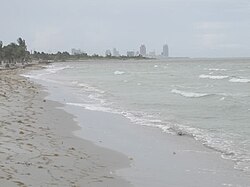
Beach nourishment—adding sand to eroding coastlines—creates a complex conflict. If the added sand contains silt or clay, these fines are continuously washed out as the beach is reworked by waves. This can lead to the siltation of nearby coral reefs. To prevent this, replenishment should use sand free of silt and clay, though this is difficult as offshore sand sources often have higher concentrations of fines.
| Source Category | Primary Cause | Primary Impact | Mitigation Method |
|---|---|---|---|
| Rural | Agricultural soil erosion | Increased river silt/clay | Land cover maintenance |
| Urban | Construction activities | Runoff of fine particles | Silt screens & rapid covering |
| Industrial/Marine | Dredging & spills | Benthic burial & turbidity | Improved dredger design |
| Sanitation | Sewage sludge discharge | Water pollution & siltation | Wastewater treatment plants |
| Coastal | Beach nourishment | Coral reef degradation | Using silt-free sand |
Frequently Asked Questions
What is the difference between siltation and sediment pollution?
Siltation specifically refers to the physical accumulation of fine particles like silt and clay. Sediment pollution is a broader, more ambiguous term that can include the chemical contamination of sediments or pollutants that are attached to sediment particles.
Why are coral reefs so vulnerable to siltation?
Coral polyps are sessile filtering organisms that cannot move to avoid sediment plumes. They are extremely sensitive to burial; an accumulation of as little as 1 mm of sediment can lead to their death.
How is siltation measured in open water?
It is primarily measured by monitoring turbidity and correlating those readings to sediment concentration through water samples. This concentration is then multiplied by the water discharge rate and integrated across the entire plume to estimate the total sediment transport.
Can fish be affected by siltation?
In the open sea, fish (nekton) generally avoid sediment plumes. However, in streams and rivers, the plume often covers the entire channel, meaning fish are more likely to be directly affected.
How can urban construction prevent siltation?
Urban sites can prevent siltation by keeping soil uncovered for the shortest time possible and installing silt screens to trap fine particles before they are washed into water bodies during rainstorms.