Sida Genus: Diversity and Classification of Fanpetals
The genus Sida, commonly known as fanpetals, represents a complex group of plants within the Malvaceae family. For botanists and plant enthusiasts, Sida is a fascinating example of how scientific understanding evolves. Historically, it has been regarded as a wastebasket taxon—a taxonomic category used to group species that do not fit neatly into other established genera. Because of this, the genus has undergone continuous reclassification as researchers strive for greater precision.
The Challenge of Sida Classification
Defining the exact boundaries of the Sida genus remains a subject of scientific debate. There is currently no universal agreement on the precise number of species that belong to the group. While over 1,000 names have been associated with Sida throughout history, modern authorities typically recognize between 150 and 250 valid names. Some conservative sources suggest the number may be as low as 98 species.
Furthermore, the diversity of the genus continues to grow, as many plants recognized as Sida have not yet been formally described to science.
Key Facts
- Taxonomic Status: Historically treated as a wastebasket taxon within the Malvaceae family.
- Species Count: Estimates vary widely, from as few as 98 to as many as 275 species.
- Naming History: Over 1,000 names have been placed in the genus over time.
- Current Consensus: Most authorities accept between 150 and 250 valid species.
Notable Sida Species
According to Plants of the World Online, there are 275 accepted species. These range from prostrate herbs to taller shrubs, often characterized by their distinct fan-shaped petals.
Among the most recognized species is Sida abutifolia, known as the prostrate sida or spreading fanpetals.
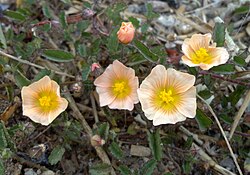
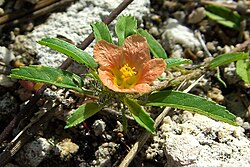
Other significant species include Sida ciliaris, referred to as bracted or fringed fanpetals, and Sida linifolia, known as flaxleaf fanpetals or balai grand.
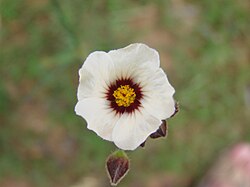
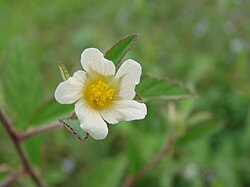
One of the most widespread species is Sida rhombifolia, commonly called arrowleaf sida or Cuban jute.
Additional notable species include:
- Sida acuta: Common wireweed or broomweed.
- Sida cordifolia: Country-mallow or flannel sida.
- Sida fallax: Known as ʻilima or yellow ʻilima.
- Sida urens: Tropical fanpetals or balai-zortie.
- Sida hermaphrodita: Virginia fanpetals or river-mallow.
Summary of Selected Sida Species
| Scientific Name | Common Name(s) |
|---|---|
| Sida abutifolia | Prostrate sida, spreading fanpetals |
| Sida acuta | Common wireweed, broomweed |
| Sida cordifolia | Country-mallow, flannel sida |
| Sida rhombifolia | Arrowleaf sida, Cuban jute |
| Sida urens | Tropical fanpetals, balai-zortie |
Taxonomic Shifts: Species Moved from Sida
As botanical classification becomes more refined, many species originally placed in Sida have been moved to other genera. This process helps scientists better reflect the actual evolutionary relationships between plants.
A significant number of species have been transferred to the genus Abutilon, including Abutilon theophrasti (formerly S. abutilon) and Abutilon indicum (formerly S. indica). Other transfers include:
- Malvastrum: Malvastrum hispidum (formerly S. hispida).
- Sidalcea: Sidalcea malviflora (formerly S. malviflora).
- Sidastrum: Sidastrum paniculatum (formerly S. paniculata).
- Pavonia: Pavonia sepium (formerly S. malvacea).
Frequently Asked Questions
What is a wastebasket taxon?
A wastebasket taxon is a classification category used by scientists to group species that do not fit clearly into other existing genera, often resulting in a group that is diverse but not closely related.
How many species of Sida are there?
The number is debated; while Plants of the World Online accepts 275 species, other authorities accept between 150 and 250, and some suggest as few as 98.
What are some common names for Sida plants?
Common names include fanpetals, wireweed, broomweed, and country-mallow, depending on the specific species.
Why have so many Sida species been reclassified?
Species are reclassified as botanical research improves, allowing scientists to move plants into genera that more accurately reflect their genetic and physical characteristics, such as moving several species into the Abutilon genus.