Sephardic Jews: History, Diaspora, and Cultural Legacy
The Sephardic Jews (or Sefaradim) represent a distinct ethnic and religious division of the Jewish people whose roots trace back to the Iberian Peninsula—modern-day Spain and Portugal. The term "Sephardic" is derived from Sefarad, the Hebrew word for Spain. Throughout history, this community has been defined by a unique synthesis of Jewish tradition and the diverse cultures of the Mediterranean, evolving from a golden age of intellectual achievement to a global diaspora born of persecution.
Key Facts
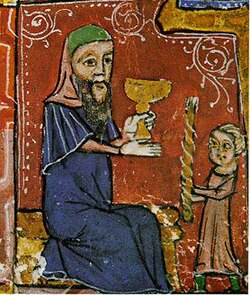
- Origin: The Iberian Peninsula (Spain and Portugal).
- Major Event: The Expulsion of 1492, which forced Jews to leave Spain or convert to Catholicism.
- Language: Ladino (Judeo-Spanish) served as a primary cultural and linguistic marker.
- Global Presence: Significant populations today exist in Israel (est. 1.4 million), France, and the Americas.
- Legal Recognition: Spain and Portugal have recently offered citizenship laws by descent for Sephardic descendants.
History in the Iberian Peninsula
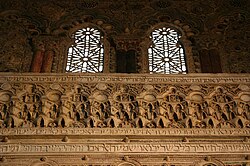
Early History and Al-Andalus
Jewish presence in Iberia dates back to the Roman and Visigothic periods. However, the era of al-Andalus (711–1085), under Islamic rule, is often remembered as a period of relative prosperity and cultural flourishing. During this time, Jews played pivotal roles in philosophy, science, and diplomacy, fostering a multicultural environment where Jewish, Muslim, and Christian scholars interacted.
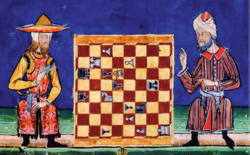
The Shift to Christian Rule and Rising Pressures
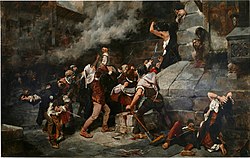
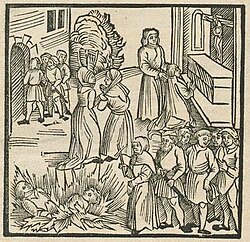
Between 1085 and 1215, the Reconquista saw Christian kingdoms reclaim territory from the Moors. While some Jewish communities initially thrived under Christian rule, pressures mounted between 1215 and 1391. This period was marked by increasing instability, culminating in the violent pogroms of 1391, which led to mass forced conversions.
The Expulsion and the Conversos
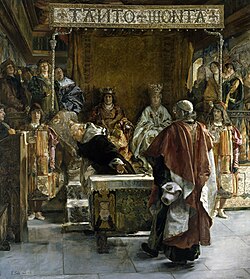
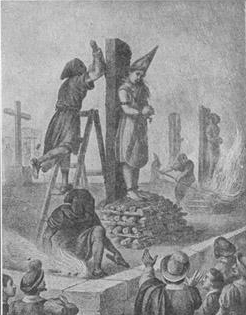
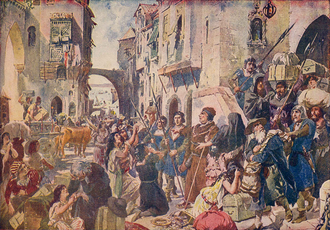
The crisis peaked in 1492 with the Edict of Expulsion, which mandated that all Jews leave Spain or convert to Catholicism. Those who converted were known as Conversos. Some Conversos became crypto-Jews, secretly practicing Judaism while appearing Catholic to avoid the Inquisition.
The Sephardic Diaspora
The expulsion triggered a massive migration, scattering the Sefaradim across the globe. This dispersion created several distinct branches of the community:
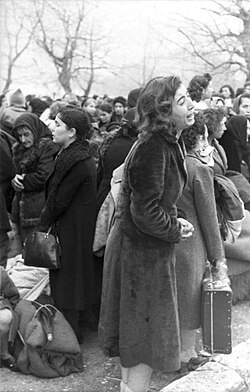
- The Ottoman Empire: Many refugees found sanctuary in Turkey and the Balkans, where they maintained their traditions and developed the Ladino language.
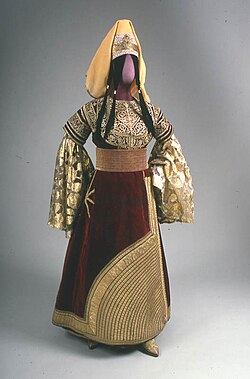
- North Africa: Large communities established themselves in Morocco and other Maghrebi regions.
- Western Europe: Significant populations settled in the Netherlands (particularly Amsterdam) and England.
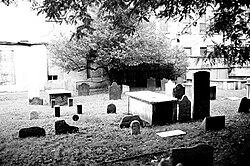
- The New World: Sephardic Jews migrated to the Americas, establishing early communities in cities like New York and Recife, Brazil.

The Bnei Anusim
The Bnei Anusim (Children of the Forced Ones) are descendants of the Conversos who were forced to convert. For centuries, many lived in secrecy, and some are only now rediscovering their Jewish heritage.
Culture, Language, and Genetics
Linguistic Heritage
The most prominent cultural marker of the Sephardic diaspora is Ladino, a language blending Old Spanish with Hebrew, Turkish, and other Mediterranean influences. It served as the primary tongue for many communities in the Ottoman Empire and North Africa until the mid-20th century.

Genetics and Health
Genetic studies show that Sephardic populations share similarities with other Middle Eastern and European populations. Certain genetic predispositions are more common within this group, including Beta-thalassemia, Familial Mediterranean fever, and Machado-Joseph disease.
![A PCA plot of samples from Ashkenazi and other Jewish populations, as well as HGDP's Middle-Eastern and European populations.[215]](/images/fd/8c/fd8cd1a9ef896491459504294d0903e0184770d1f31e5da14ff94ea13af519ab.png)
Summary of Sephardic Distribution and Identity
| Category | Details | Key Locations |
|---|---|---|
| Eastern Sephardim | Influenced by Ottoman and Balkan cultures | Turkey, Greece, Bosnia |
| North African Sephardim | Maghrebi Jewish traditions | Morocco, Tunisia, Algeria |
| Western Sephardim | Often descendants of Conversos returning to Judaism | Netherlands, England, Americas |
| Modern Populations | Concentrated in Israel, France, and the US | Israel, France, USA |
Prominent Figures

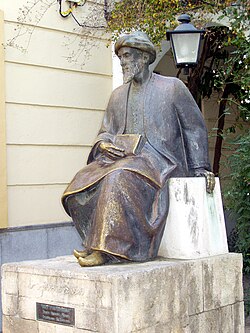
The Sephardic legacy includes some of history's most influential thinkers and artists. In the realm of philosophy and religion, Maimonides stands as a towering figure. In modern times, the community has produced Nobel laureates such as Claude Cohen-Tannoudji (Physics) and Patrick Modiano (Literature), as well as cultural icons like Jerry Seinfeld and David Guetta.

Frequently Asked Questions

What is the difference between Sephardic and Ashkenazi Jews?
Sephardic Jews originate from the Iberian Peninsula (Spain and Portugal), while Ashkenazi Jews originate from Central and Eastern Europe (Germany, Poland, Russia). They differ in liturgical customs, traditional cuisine, and historically used languages (Ladino for Sephardim and Yiddish for Ashkenazim).
What happened to the Jews in Spain in 1492?
In 1492, the Catholic Monarchs issued the Edict of Expulsion, forcing all Jews to either convert to Catholicism or leave the kingdom of Spain, leading to a global diaspora.
What are Conversos?
Conversos were Jews who converted to Catholicism, often under duress. Some continued to practice Judaism in secret, becoming known as crypto-Jews.
Can descendants of Sephardic Jews claim citizenship in Spain or Portugal?
Yes, both Spain and Portugal have implemented laws allowing descendants of Sephardic Jews to apply for citizenship based on their ancestral heritage and the historical injustice of the expulsion.
What is Ladino?
Ladino, also known as Judeo-Spanish, is a Romance language derived from Old Spanish with influences from Hebrew, Turkish, and other languages, spoken by Sephardic communities after their expulsion from Iberia.