Understanding Seaweed: Biology, Ecology, and Global Production
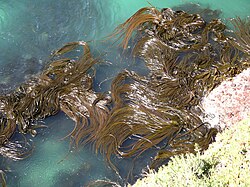
Seaweed is an informal term used to describe macroscopic marine algae—large, plant-like organisms that thrive in ocean environments. While they may resemble terrestrial plants, they belong to a diverse range of biological groups. From the lush kelp forests of New Zealand to the shallow, sun-drenched farms of Tanzania, seaweed plays a vital role in marine ecosystems and human industry.
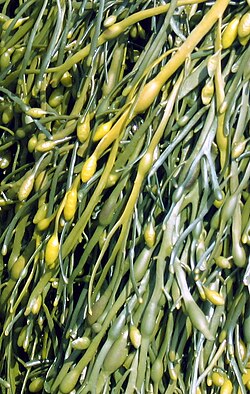
Key Facts
- Global Production: Over 35 million tonnes were produced in 2019.
- Leading Producers: China and Indonesia dominate the global market.
- Economic Value: The global seaweed extract market was valued at $16.5 billion in 2023.
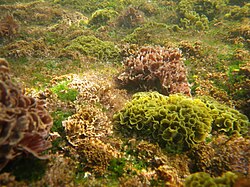
- Biological Diversity: Seaweeds include green, brown, and red algae.
- Aquaculture Role: Seaweed accounts for 30% of marine aquaculture as of 2019.
Biological Classification and Taxonomy
Seaweed is not a single taxonomic group but a collection of various algae. They are classified into several major groups based on their biological characteristics:
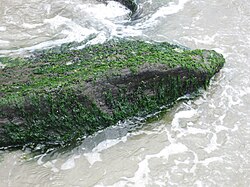
- Chlorophyta: Green algae
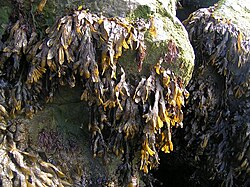
- Phaeophyceae: Brown algae
- Rhodophyta: Red algae
- Other groups: Phaeothamniophyceae, Chrysophyceae (gold algae), and Cyanobacteria
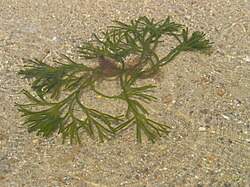
Different genera of seaweed exhibit unique characteristics. For example, the genus Caulerpa consists of submerged green algae, while Laminaria and Macrocystis are prominent brown algae. Red algae include genera such as Gracilaria and Porphyra.

Anatomy of Seaweed
Unlike land plants, seaweed lacks true woody tissue. Instead, their structure is composed of several specialized parts:
- Thallus: The entire algal body.
- Lamina (or Blade): A flattened, leaf-like structure.
- Stipe: A stem-like structure that may or may not be present.
- Holdfast: The basal structure used to attach to a substrate.
- Haptera: Finger-like extensions of the holdfast that anchor the organism to the benthic (ocean floor) substrate.
- Pneumatocyst (Air Bladder): An organ on the blade that assists with flotation.
- Sorus: A cluster of spores.
Global Production and Farming
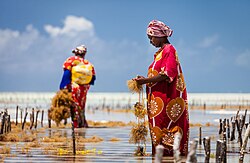
The seaweed industry is a massive global enterprise. As of 2019, production reached approximately 35,818,961 tonnes, with a staggering 97.38% of this output coming from Asian countries. Seaweed farming is often developed to boost local economies and alleviate pressure on wild fish stocks.
As of 2022, the market share for production is heavily concentrated in a few key nations:
- China: 58.62%
- Indonesia: 28.6%
- South Korea: 5.09%
- Philippines: 4.19%
Regional Production Data
| Country | Tonnes per Year (Cultured and Wild) |
|---|---|
| China | 20,351,442 |
| Indonesia | 9,962,900 |
| South Korea | 1,821,475 |
| Philippines | 1,500,326 |
| North Korea | 603,000 |
| Chile | 427,508 |
| Japan | 412,300 |
| Malaysia | 188,110 |
| Norway | 163,197 |
| United Republic of Tanzania | 106,069 |
Diverse Uses of Seaweed
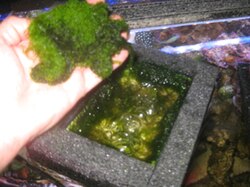
Seaweed is a versatile resource with applications spanning multiple industries.
Food and Agriculture
Seaweed is widely used in culinary traditions globally. Beyond direct human consumption, it is valuable in livestock production. Adding seaweed to livestock feed has been shown to substantially reduce methane emissions from cattle feedlots, which account for 11% of overall cattle emissions as of 2021.
Industrial and Environmental Applications
The utility of seaweed extends far beyond the dinner plate:
- Medicine and Health: Used in various medicinal and herbal applications.
- Packaging: Utilized in the production of paper and sustainable packaging alternatives.
- Energy: Explored as a source for algae fuel (biofuels).
- Fertilizer: Used to enrich soil for agriculture.
- Cosmetics: A common ingredient in skin care products.
Ecological Importance and Challenges
Seaweed ecosystems, such as kelp forests, are critical marine habitats. However, these environments face various threats. While there is ongoing discussion regarding seaweed's role in climate change mitigation through carbon sequestration (the process of capturing and storing atmospheric carbon dioxide), scientists continue to study the long-term efficacy and risks of large-scale seaweed dumping for this purpose.
Additionally, certain species can pose health risks, such as seaweed dermatitis caused by specific bacteria, or the presence of seaweed toxins.
Frequently Asked Questions
Is seaweed a plant?
While seaweed resembles terrestrial plants, it is technically a macroscopic marine algae. It lacks the complex vascular systems found in true land plants.
What are the main types of seaweed?
Seaweed is generally categorized into three main groups: green algae (Chlorophyta), brown algae (Phaeophyceae), and red algae (Rhodophyta).
How is seaweed used in the food industry?
Seaweed is used directly as food (such as Nori, Kombu, and Wakame) and is also used in livestock feed to help reduce methane emissions from cattle.
Which countries produce the most seaweed?
China and Indonesia are the world's leading producers, accounting for a significant majority of the global seaweed supply.
Can seaweed help fight climate change?
Seaweed is being studied for its potential in carbon sequestration and climate change mitigation, though scientific debate continues regarding the best methods and risks involved in large-scale implementation.