Scottish Highlands: A Land of Rugged Beauty and Resilient History
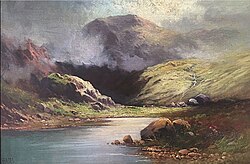
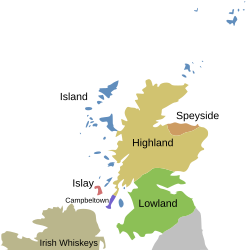
The Scottish Highlands (known in Scottish Gaelic as A' Ghàidhealtachd) represent one of the most visually stunning and historically complex regions of the British Isles. Characterized by vast mountain ranges and sparsely populated glens, the region is home to Ben Nevis, the highest peak in the UK. While today it is celebrated for its natural splendor, the Highlands have a history marked by social upheaval, economic struggle, and a powerful cultural identity that has influenced the global perception of Scotland.
Key Facts
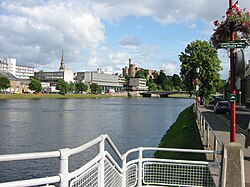
- Administrative Centre: Inverness serves as the traditional capital.
- Population: Approximately 600,000 (2019 estimate), making it one of Europe's most sparsely populated areas.
- Highest Point: Ben Nevis, the tallest mountain in the British Isles.
- Cultural Legacy: The historic clan system and the global symbol of tartan.
- Economic Staples: Historically driven by black cattle, illicit whisky, and kelping; now known for Scotch whisky production.
The Evolution of Highland Society and Culture
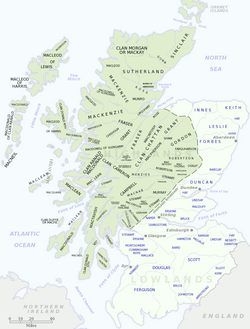
Historically, the primary social structure of the region was the clan. For centuries, these kinship-based groups operated with significant autonomy, which often put them at odds with the Scottish monarchy. King James VI, in particular, viewed the Highlands as a lawless frontier. To integrate clan leaders into the broader Scottish state, the Statutes of Iona were enacted in 1609.
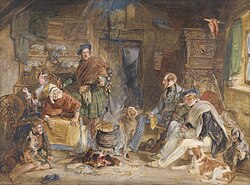
By the 19th century, the nature of clan leadership shifted. Chiefs transitioned from patriarchal protectors of their people to commercial landlords. This shift led to a demand for cash rents rather than payments in kind, placing immense pressure on tenants. Between 1760 and 1850, the Highland Clearances occurred, where populations were forcibly removed from fertile land to make way for large-scale sheep farming. Displaced people were often moved to crofting communities—small landholdings that were intentionally insufficient for full subsistence, forcing crofters to seek seasonal work in the Lowlands or industries like fishing and kelping.
The Romanticization of the Highlands
Following the Jacobite rising of 1745, the British government attempted to dismantle Highland culture by banning the wearing of tartan and the bearing of arms. However, these restrictions were largely repealed by the end of the 18th century. A romanticized version of Highland life emerged in the 1820s, fueled by the Ossian cycle and the writings of Sir Walter Scott. This "Highlandism" was further cemented when King George IV visited Scotland in 1822 wearing tartan, and later by Queen Victoria's affection for the region and her residence at Balmoral.
Economic Struggles and Resilience
The Highland economy has historically been volatile. In the 18th century, the trade of black cattle to Lowland markets was essential for population growth. Alongside this, a thriving trade in unlicensed, illicit whisky emerged, showcasing the entrepreneurial spirit of the peasantry despite heavy taxation from the government.
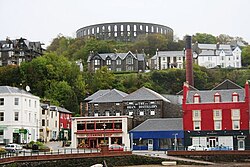
The early 19th century brought severe economic decline. The end of the Napoleonic Wars in 1815 caused a crash in the prices of cattle, wool, and kelp. This instability peaked in 1846 with the arrival of potato blight, which destroyed the primary food source for crofting communities. The resulting famine forced many landlords to sell their estates and triggered a massive wave of emigration to Canada, the United States, Australia, and New Zealand.
Military Traditions
Highlanders have long been prized as soldiers, known for their hardiness and the Highland charge—an aggressive shock tactic on the battlefield. The tradition of the "warrior-citizen" meant that able-bodied males were culturally conditioned for military service.
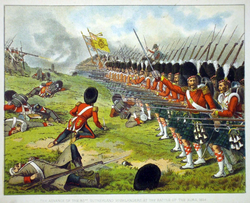
A pivotal moment occurred in 1739 with the formation of the Black Watch, the first official Highland regiment in the British Army. These soldiers served across the globe, from the American colonies to India. While modern Highland regiments still preserve these traditions and music, recruits are now primarily drawn from urban centers rather than the mountains.
Geography and Landmarks
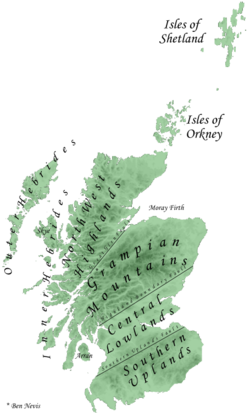
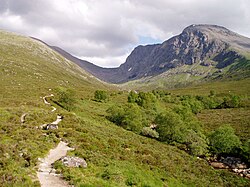
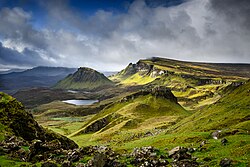
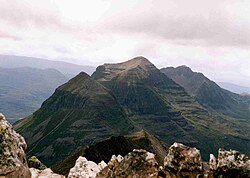
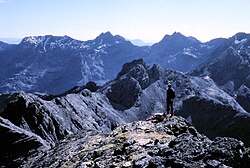
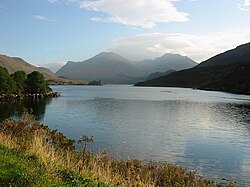
The geography of the Highlands is defined by its dramatic terrain and vast bodies of water. From the rugged peaks of the Cuillin on the Isle of Skye to the deep waters of Loch Ness, the landscape is a primary draw for visitors.
| Category | Examples |
|---|---|
| Mountains | Ben Nevis, Ben Macdui, Liathach, The Cuillin |
| Lochs | Loch Ness, Loch Lomond, Loch Maree, Loch Tay |
| Castles/Forts | Eilean Donan, Urquhart Castle, Fort George, Balmoral |
| Regions/Islands | Isle of Skye, Hebrides, Cairngorms National Park, Wester Ross |
Frequently Asked Questions
What were the Highland Clearances?
The Highland Clearances were a series of forced displacements between 1760 and 1850, where landlords removed tenants from their land to make room for more profitable large-scale sheep farming.
Why is tartan so closely associated with the Highlands?
While originally a regional dress, tartan became a global symbol of Scottish identity in the 19th century through the influence of Sir Walter Scott, King George IV, and Queen Victoria, who romanticized Highland culture.
What is a croft?
A croft is a small agricultural landholding. Crofting communities were often established for displaced tenants, though the plots were typically too small to provide full subsistence, requiring residents to find outside work.
Which is the highest mountain in the Highlands?
Ben Nevis is the highest mountain in the Scottish Highlands and the entire British Isles.
What is the significance of the Black Watch?
The Black Watch was the first official Highland regiment in the British Army, formed in 1739, and helped establish the reputation of Highlanders as elite soldiers worldwide.