Scarab Beetles: Biology, Diversity, and Cultural Significance
The scarab beetle is one of the most recognizable and diverse groups of insects on Earth. Belonging to the family Scarabaeidae, these stout-bodied beetles are found worldwide, playing critical roles in various ecosystems. From the depths of the soil to the heights of ancient Egyptian mythology, scarabs are defined by their unique anatomy and specialized behaviors.
Currently, the family Scarabaeidae comprises over 35,000 species. While the classification of these insects has shifted over time—with some groups being elevated to their own family rank—they remain a cornerstone of the order Coleoptera (beetles).
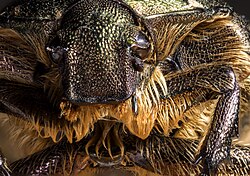
Key Facts
- Species Count: Over 35,000 species worldwide.
- Size Range: Typically between 1.5 mm and 160 mm in length.
- Defining Feature: Lamellate antennae that can fan out to detect scents.
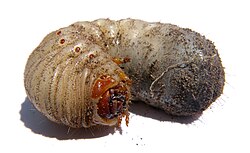
- Larval Form: C-shaped, pale yellow or white grubs.
- Ecological Role: Many act as scavengers, recycling dung, carrion, and decaying plants.
- Cultural Icon: Revered as sacred symbols of rebirth in Ancient Egypt.
Physical Characteristics and Anatomy
Scarabs are characterized by their robust bodies. While many species are brown or black, those that are diurnally active (active during the day) often exhibit brilliant metallic colors. A fascinating biological trait found in some species is the presence of structurally colored shells that act as left-handed circular polarizers—the first instance of circular polarization ever discovered in nature.
Sensory and Physical Adaptations
One of the most distinct features of the scarab is its antennae. Although they appear knobbed (capitated), they are actually lamellate, meaning the head of the antenna consists of plates called lamellae. These plates are usually compressed into a ball but can be fanned out like leaves to better sense odors in the environment.
Many scarabs are fossorial, meaning they possess legs specifically adapted for digging. Additionally, some species exhibit sexual dimorphism where males (and occasionally females) develop prominent horns on the head or pronotum (the plate covering the thorax) to compete for resources or mates.
Life Cycle and Behavior
The life of a scarab begins as a grub—a pale yellow or white C-shaped larva. These larvae typically live underground or beneath debris to avoid sunlight. As they mature into adults, their activity patterns vary; while most scarabs are nocturnal, flower chafers (Cetoniinae) and many leaf chafers (Rutelinae) are active during the day.
Diet and Ecological Impact
Scarabs occupy various ecological niches based on their diet:
- Scavengers: Many species recycle organic waste, including dung, carrion, and decaying plant matter, which helps maintain soil health.
- Herbivores: Some species, such as the Japanese beetle, feed on living plants and can cause significant damage to crops and vegetation.
Well-known examples of this family include the rhinoceros beetle, the Hercules beetle, the Goliath beetle, and various June and rose chafers.
The Scarab in Ancient Egypt
Beyond biology, the scarab holds immense historical value. In Ancient Egypt, the dung beetle Scarabaeus sacer was revered as a sacred creature. Because of its behavior, it became a symbol of rebirth and was closely associated with solar gods of creation, such as Re and Khepri.
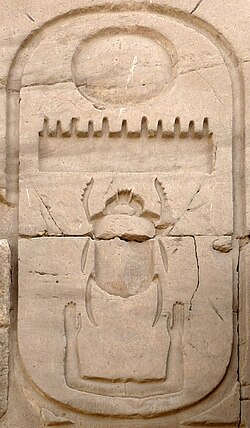
This reverence led to the creation of scarab amulets, which were widely traded across the Mediterranean world as symbols of protection and renewal.
Summary of Scarabaeidae Classification
| Category | Details |
|---|---|
| Kingdom | Animalia |
| Order | Coleoptera |
| Family | Scarabaeidae |
| Common Examples | Dung beetles, Rhinoceros beetles, Hercules beetles, Japanese beetles |
| Largest Fossil | Oryctoantiquus borealis (50 mm) |
| Key Subfamilies | Cetoniinae, Dynastinae, Rutelinae, Scarabaeinae, Melolonthinae |
Frequently Asked Questions
What makes a beetle a "scarab"?
Scarabs are members of the family Scarabaeidae, characterized by their stout bodies, fossorial (digging) legs, and lamellate antennae that can fan out to detect scents.
Are all scarab beetles dung beetles?
No. While dung beetles are a well-known group within the Scarabaeidae family, other scarabs are plant-eaters (like the Japanese beetle) or feed on decaying organic matter and flowers.
Why were scarabs important to Ancient Egyptians?
The Scarabaeus sacer was seen as a symbol of rebirth and creation, linking the insect's behavior to the solar gods Re and Khepri.
What is a scarab grub?
A grub is the larval stage of the scarab beetle. They are typically pale yellow or white, C-shaped, and live underground or under debris.
How large can scarab beetles grow?
Modern species range from 1.5 mm to 160 mm. In the fossil record, Oryctoantiquus borealis is noted as the largest fossil scarabaeid at 50 mm.