São Paulo: The Pulsing Heart of Brazil's Urban Landscape
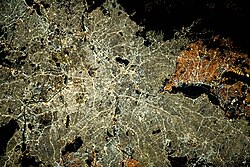
Known by nicknames such as Sampa, the "Concrete Jungle" (Selva de Pedra), and the "Drizzle Land" (Terra da Garoa), São Paulo is more than just a city; it is a global megacity. As the largest city in Brazil and the Americas, it serves as a critical financial, cultural, and industrial hub. Guided by the motto "Non ducor, duco" (I am not led, I lead), São Paulo embodies a spirit of leadership and relentless growth.
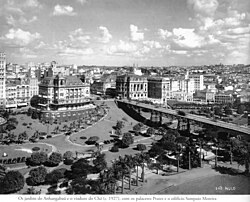
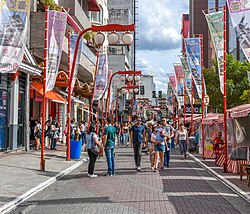
From its humble beginnings as a Jesuit mission to its current status as a sprawling metropolis, the city is a tapestry of diverse ethnicities and architectural styles. Whether it is the high-rise luxury of Paulista Avenue or the vibrant street life of the Liberdade district, São Paulo offers a glimpse into the complexity of modern Latin American urbanism.
Key Facts
- Founded: January 25, 1554, by Manuel da Nóbrega and Joseph of Anchieta.
- Population: Approximately 11.9 million in the municipality and over 21.5 million in the Greater São Paulo metro area.
- Economic Power: A nominal municipal GDP of US$207.238 billion (2024).
- Geography: Located at an elevation of 760 meters, with the highest point being Jaraguá Peak at 1,135 meters.
- Climate: Humid subtropical climate (Cfa), characterized by significant rainfall and occasional drizzle.
- HDI: 0.821, categorized as very high.
A Journey Through History
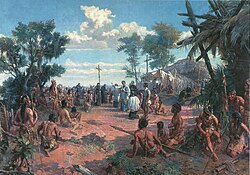
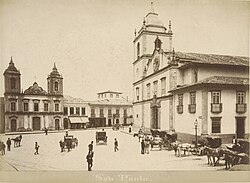
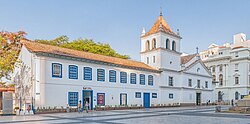
The city was founded in 1554 and named after Paul the Apostle. Its early years were shaped by the Jesuits, with the Pátio do Colégio serving as the site of its inception.
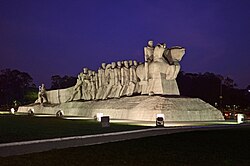
During the colonial era, the Bandeirantes—explorers and frontiersmen—played a pivotal role in expanding Brazil's borders, leaving a lasting legacy on the city's identity.
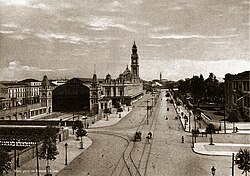
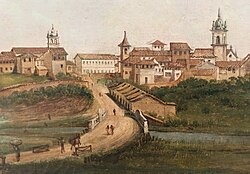
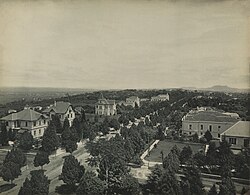
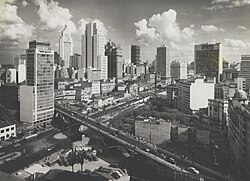
As Brazil transitioned through the Imperial and Old Republican periods, São Paulo evolved from a small town into a commercial powerhouse. The 19th and early 20th centuries saw rapid urbanization, fueled by the coffee boom and a massive influx of immigrants.
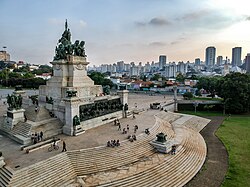
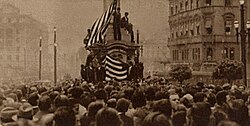
The city's political significance grew over time, marked by events such as the proclamation of Independence by Prince Pedro and the Constitutionalist Revolution of 1932.
Geography and Climate
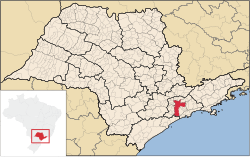
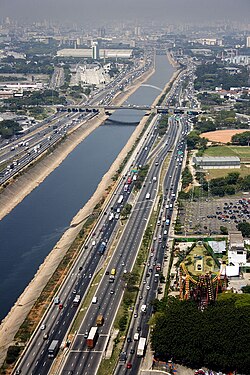
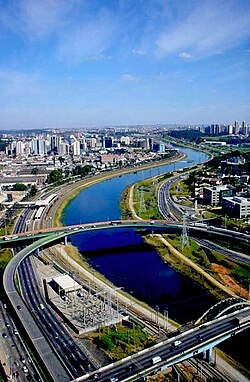
São Paulo is situated on a plateau in the Southeast region of Brazil. Its landscape is a mix of dense urban fabric and remaining natural biodiversity. The city is known for its complex hydrography and the presence of major expressways like Marginal Tietê and Marginal Pinheiros that navigate its river systems.
![Jaraguá Peak is the highest point in the city, at 1,135 meters (3,724 ft).[55]](/images/e9/75/e975871d59fdddd238db83f811546a9c2543c7df07179901ab115ae8b6601f1e.jpg)
The climate is classified as humid subtropical. While it experiences warm temperatures year-round, it is famous for its sudden weather shifts and high frequency of lightning incidents compared to other Brazilian capitals.
![Heavy rain and lightning in São Paulo, which has one of the largest number of lightning incidents amongst Brazilian state capitals[84]](/images/db/03/db03102ad6196e80a612573e1340c02d41858fa6d83ae9d0a64d0f29c6b36b41.jpg)
Climate Data Summary
| Metric | Summer (Jan/Dec) | Winter (Jun/Jul) | Annual Average/Record |
|---|---|---|---|
| Mean Daily Max Temp | ~26-28°C | ~23-24°C | Record High: 38.4°C |
| Mean Daily Min Temp | ~18-19°C | ~13°C | Record Low: -2.1°C |
| Average Precipitation | High (230-290mm) | Low (48-60mm) | Total: 1,658.3mm |
Demographics and Cultural Diversity
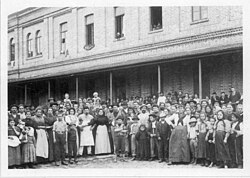
São Paulo is a melting pot of global cultures. The population is predominantly White (54.3%) and Mixed (33.4%), with significant Black (10.1%) and Asian (2.1%) communities. This diversity is most visible in its distinct neighborhoods.
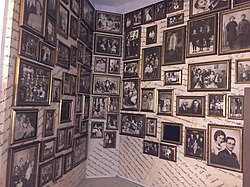
The city has welcomed waves of immigrants, including Italians, Portuguese, and Jews, who have shaped the local economy and social fabric.
The Liberdade district stands as a testament to the Japanese community, while Bom Retiro reflects the history of Jewish immigration.
Urban Infrastructure and Governance
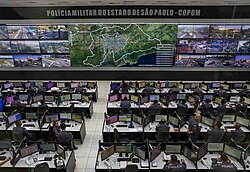
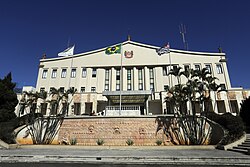
The municipality is governed by a mayor-council system, currently led by Mayor Ricardo Nunes. Administratively, the city is divided into 32 subprefectures to manage its vast urban area.
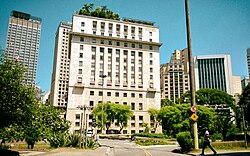
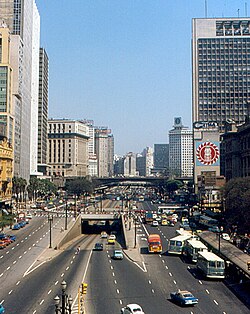
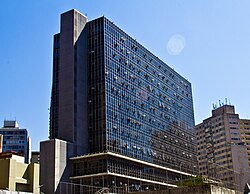
The city's infrastructure is a blend of historic landmarks and cutting-edge modernity. From the Altino Arantes Building to the Octávio Frias de Oliveira Bridge, the skyline reflects its economic ambition.
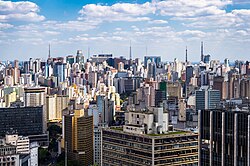
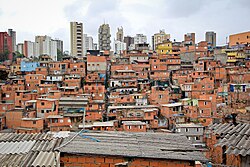
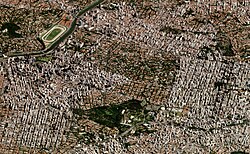
Despite its wealth, the city faces significant social challenges, evidenced by the existence of large favelas (slums) such as Paraisópolis and Heliópolis, which contrast sharply with the luxury high-rises of the Jardins region.
Culture, Education, and Health
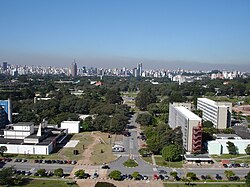
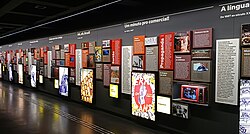
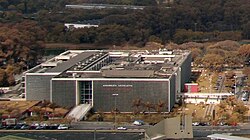
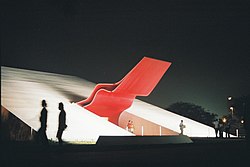
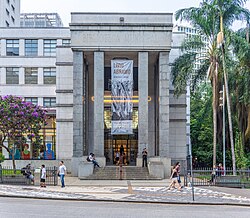
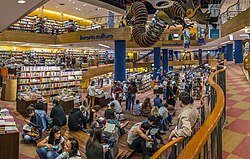
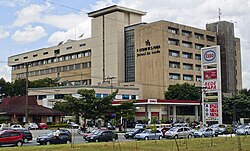
São Paulo is the cultural capital of Brazil. It hosts world-class institutions like the University of São Paulo (USP) and the Museum of the Portuguese Language. The city is also a leader in healthcare, housing the Institute of Cancer of São Paulo, the largest oncology center in Latin America.
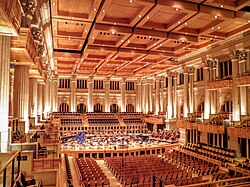
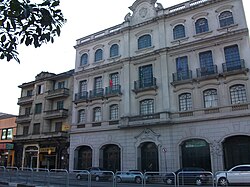
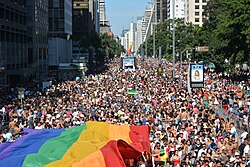
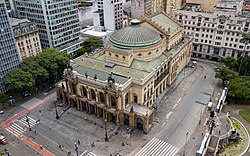
The city is a hub for the arts, featuring the Municipal Theatre and the São Paulo State Symphony at Sala São Paulo. It is also known for its inclusive spirit, hosting one of the world's largest Gay Pride Parades.
Frequently Asked Questions
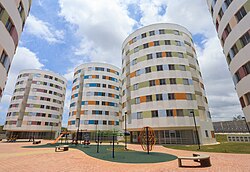
![Institute of Cancer of São Paulo, the largest oncology center in Latin America[168][169]](/images/d6/f5/d6f54f7f21454dece650597bd7d25ec6d30422bec1ac16dd184ac7615310234e.jpg)
What is the population of São Paulo?
As of 2025, the municipality has a population of approximately 11,904,961, while the Greater São Paulo metropolitan area reaches about 21,518,955 people.
Why is São Paulo called the "Concrete Jungle"?
The nickname "Selva de Pedra" refers to the city's immense density of skyscrapers and urban infrastructure, which often overshadows the natural landscape.
What is the significance of Paulista Avenue?
Paulista Avenue is the city's primary financial and cultural artery, serving as the headquarters for numerous financial institutions and cultural centers.
What is the climate like in São Paulo?
The city has a humid subtropical climate. It is characterized by warm summers with heavy rainfall and milder winters, often accompanied by a persistent light drizzle (garoa).
Which is the highest point in the city?
The highest point in the city of São Paulo is Jaraguá Peak, which reaches an elevation of 1,135 meters (3,724 ft).