Santa Cruz de la Sierra: The Vibrant Heart of Eastern Bolivia
Known as La Capital del Oriente Boliviano (The Capital of the Eastern Bolivia) and La Ciudad de los Anillos (The City of Rings), Santa Cruz de la Sierra is the most populous city in Bolivia. Unlike the high-altitude hubs of the Andes, this metropolis sits in the Amazon basin at a low elevation, offering a tropical atmosphere and a dynamic economic landscape that has seen explosive growth since the mid-20th century.
From its origins as a struggling Spanish outpost to its current status as a modern commercial powerhouse, Santa Cruz blends colonial history with rapid vertical urbanization. Its unique geography, situated at the foothills of the Andes, creates a distinct environment that defines the lifestyle and culture of the region.
Key Facts
- Founded: February 26, 1561, by Ñuflo de Chavez.
- Population: Approximately 1,606,671 (City and municipality, 2024).
- Elevation: 400 meters (1,300 feet) above sea level.
- Climate: Tropical monsoon (Köppen Am).
- Economy: PPP GDP per capita of $12,800 (2023).
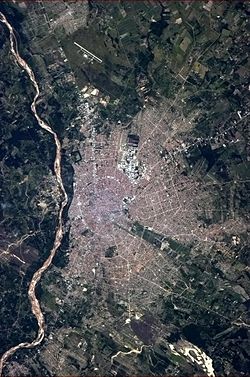
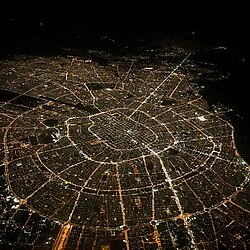
- Urban Layout: A radial system consisting of 10 concentric rings and 27 radial roads.
A History of Relocation and Resilience
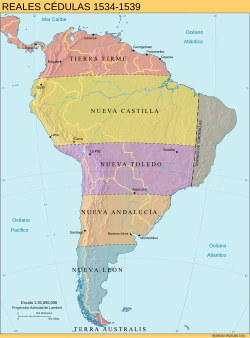
The story of Santa Cruz de la Sierra is one of persistence. It was first founded in 1561 by Spanish explorer Ñuflo de Chavez, roughly 200 kilometers east of its current site. The early settlement faced severe challenges, including frequent attacks from local tribes, which eventually led to the death of Chavez in 1568.
Due to these conflicts and internal power struggles, the city was relocated twice. In 1590, it moved to the banks of the Guapay Empero river and was renamed San Lorenzo de la Frontera. However, conditions remained harsh, leading to a final move on May 21, 1595. By 1622, the settlement was consolidated and reclaimed its original name, Santa Cruz de la Sierra. Today, the remnants of the first settlement can be explored at the archaeological site of Santa Cruz la Vieja.
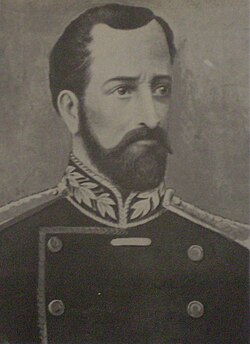
Colonial Legacy and Modern Growth
For centuries, Santa Cruz remained a small outpost. Even after Bolivia's independence in 1825, the region received little attention from central authorities. This changed after the middle of the 20th century, when profound agrarian and land reforms triggered a period of rapid expansion, transforming the town into the urban giant it is today.
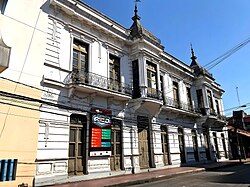
Geography and Tropical Climate
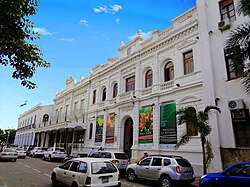
Located in the province of Andrés Ibáñez, the city is positioned near the eastern edge of the Andes Mountains, which remain visible from various points in the city. This location grants it a tropical monsoon climate, characterized by an average annual temperature of 25°C (77°F).
While the weather is generally warm, the city experiences "surazos"—cold winds blowing from the Argentine pampas that can cause temperatures to drop significantly, particularly during winter. The heaviest rainfall typically occurs in December and January, with an annual average of 1,321 mm (52 in).
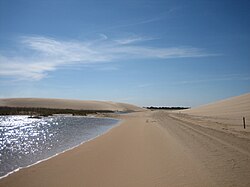
Urban Planning and Infrastructure
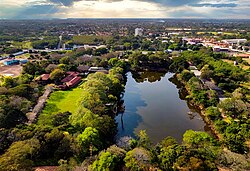
The city's architecture is a tale of two styles. The "old town" follows a traditional Spanish grid, with government and religious buildings centered around a main plaza. Radiating from this center is a unique system of 10 concentric ring roads and 27 radial avenues that disperse traffic across the city.
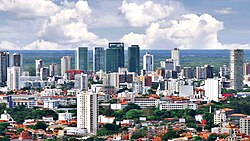
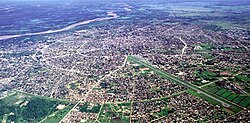
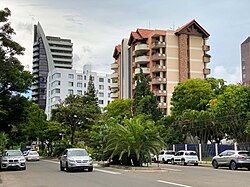
In recent years, Santa Cruz has embraced vertical growth. Between 2020 and 2023, construction surged, with 261 towers of ten floors or more registered by 2023. Notable examples of this modernization include the Green Tower Santa Cruz and the Platinum Tower II.
Transport and Connectivity
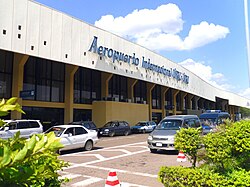
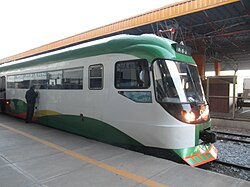
The city serves as a critical transport hub for Bolivia. The Viru Viru International Airport handles the majority of the country's international flights. For regional travel, the Ferrobus provides a vital rail connection between Santa Cruz de la Sierra and Puerto Quijarro on the Brazilian border.
Culture, Gastronomy, and Tourism
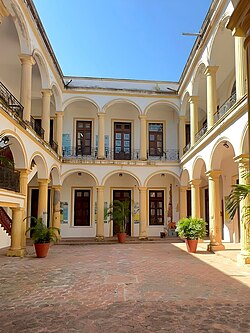
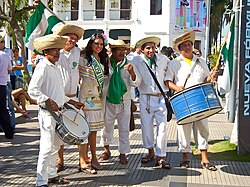
The culture of Santa Cruz is deeply tied to the eastern plains. This is reflected in the Camba clothing and the city's vibrant festivals, including the International Book Fair and the Chiquitos Missions Baroque and Renaissance Music Festival.
Culinary Traditions
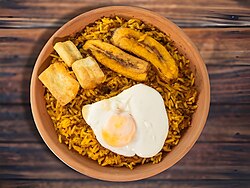
The local gastronomy is diverse, featuring ingredients typical of the lowlands. Traditional dishes include Majadito (a rice dish that originally excluded beef), Locro, and various types of empanadas. Popular baked goods, known as "baked camba," include Cuñapé and Sonso.
Nature and Leisure
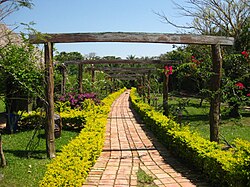
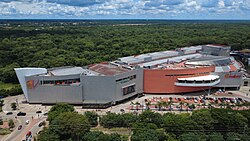
Visitors can explore the city's green spaces, such as the Botanical Garden or the Güembé Biocenter, a 24-hectare reserve housing exotic regional flora and fauna. For shopping and entertainment, the city offers modern complexes like Ventura Mall.
| Category | Details |
|---|---|
| Administrative Status | Capital of Santa Cruz Department, Andrés Ibáñez Province |
| Primary Airport | Viru Viru International Airport |
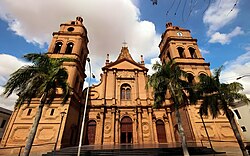
| Key Landmark | Cathedral Basilica of San Lorenzo (est. 1595) |
| Economic Status | 1st most populous city in Bolivia; High HDI (0.827) |
| Traditional Dish | Majadito |
Frequently Asked Questions
Why is Santa Cruz de la Sierra called the "City of Rings"?
The city is so named because of its unique urban layout, which consists of 10 concentric ring roads and 27 radial roads that branch out from the center to organize the city's expansion.
How does the climate differ from other Bolivian cities?
Unlike La Paz, which is located high in the Andes, Santa Cruz is at a low elevation (400m) in the Amazon basin, resulting in a tropical monsoon climate that is much warmer and more humid.
What is the significance of the "surazos"?
Surazos are cold winds that blow from the Argentine pampas. They are most common during the winter and can cause a sudden and considerable drop in temperature.
What are some of the most important educational institutions in the city?
The city hosts numerous universities, including the Gabriel René Moreno Autonomous University and the Private University of Santa Cruz de la Sierra (UPSA).
What is the historical importance of the Cathedral Basilica of San Lorenzo?
Built in 1595, the cathedral is one of the city's most significant historic landmarks, representing the colonial religious heritage of the region.