Sand Dams in Kitui Kenya: A Model for Community Water Security
Climate change is exerting tremendous pressure on the biophysical, economic, political, and social systems that sustain many African populations. In regions where poverty is widespread and dependence on the natural environment is high, shifting weather patterns intensify existing vulnerabilities and create new risks. In Eastern Kenya, the Kitui region has emerged as a successful example of how targeted infrastructure can mitigate these challenges.
The implementation of sand dams—reinforced concrete walls built across seasonal riverbeds to capture sand and store water within that sand—has provided a lifeline for the local population. With approximately 500 functional dams, Kitui has seen greater success with this system than many other regions adopting similar technologies.
Key Facts
- Infrastructure: Approximately 500 functional sand dams are currently operating in the Kitui region.
- Economic Impact: Farmers utilizing sand dams saw an average income increase of 9,000 KSh (approximately 120 USD).
- Cost Efficiency: The investment cost is estimated at roughly 35 USD per capita.
- Reach: It is estimated that over 100,000 people gained better water access over a 10-year period.
- Resource Efficiency: These benefits are achieved while using less than 3% of total runoff.
The Multifaceted Impact of Sand Dams
The effectiveness of sand dams in Kitui extends beyond simple water storage; they serve as a foundation for socio-economic stability and environmental health.
Human Welfare and Water Security
During the harsh dry seasons, many traditional wells and rivers in the region dry up. Sand dams provide critical water security, ensuring that domestic needs are met even when surface water vanishes.
Environmental Restoration
These structures improve the quality of nature by feeding the water table—the level below which the ground is saturated with water. This recharge allows local flora and trees to thrive in the surrounding areas, enhancing the local ecosystem.
Agricultural and Food Capacity
Access to reliable water reserves has enabled residents to engage in both subsistence and semi-commercial farming. This shift has created sustainable livelihoods and improved food security for the people of Kitui.
Industrial and Economic Growth
On a larger scale, the availability of water supports various economic activities. Local residents have been able to engage in industrial capacities such as brick laying, basket making, and charcoal production, providing a semi-stable source of income.
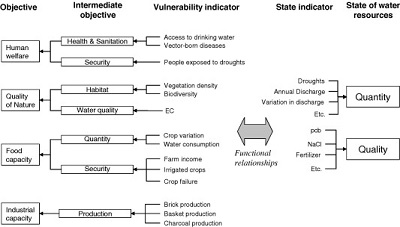
| Impact Area | Primary Benefit | Outcome |
|---|---|---|
| Human Welfare | Dry season water security | Reliable domestic water supply |
| Environment | Water table recharge | Increased growth of trees and flora |
| Agriculture | Irrigation access | Subsistence and semi-commercial farming |
| Industry | Water for production | Income from bricks, baskets, and charcoal |
Challenges to Implementation
Despite the success in Kitui, several obstacles hinder the expansion and sustainability of sand dam projects. The most significant challenges include:
- Environmental Volatility: The irregularity of rainy seasons affects the reliability of water collection.
- Financial Constraints: Slow funding cycles can delay construction and expansion.
- Governance: A lack of communal platforms to manage and maintain the projects over the long term.
Conclusion
The Kitui case study demonstrates that low-cost measures can yield high returns in human welfare and economic stability. With an investment of about 35 USD per capita, thousands have gained access to life-sustaining water. Increased participation from governments, non-governmental organizations, and the local community could transform Kitui into a global model for rural communities combating drought and famine.
Frequently Asked Questions
How many sand dams are functional in the Kitui region?
There are approximately 500 functional sand dams in the Kitui region of Eastern Kenya.
What is the economic benefit for farmers using these dams?
Farmers using sand dams have seen their average income rise by 9,000 KSh, which is approximately 120 USD.
How do sand dams help the local environment?
They feed the water table, which allows trees and other flora to thrive in the surrounding areas, improving the overall ecosystem.
What are the main obstacles facing sand dam projects?
The primary hindrances are the irregularity of rainy seasons, slow funding, and a lack of communal platforms for project management and maintenance.
How cost-effective is the sand dam investment?
The investment is highly efficient, costing approximately 35 USD per capita to provide better water access to an estimated 100,000 people over 10 years.