Salzburg: Austria's Cultural Gem and Alpine Gateway
Nestled at the foot of the Alps and bordering Germany, Salzburg is the fourth-largest city in Austria. Situated along the banks of the Salzach River, this statutory city is a harmonious blend of dramatic natural landscapes and a rich architectural heritage. Known globally as the birthplace of Wolfgang Amadeus Mozart and a hub for classical music, Salzburg continues to be a beacon of European culture and history.
Key Facts
- Population: 157,994 (as of 2026).
- UNESCO Status: The Historic Centre of the City of Salzburg was inscribed as a World Heritage Site in 1996.
- Geography: Located at an elevation of 424 meters, spanning a total area of 65.65 km².
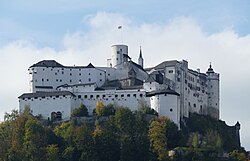
- Key Landmark: Hohensalzburg Fortress, one of the largest castles in Europe.
- Cultural Legacy: Birthplace of Mozart and the setting for the famous "The Sound of Music."
Historical Evolution
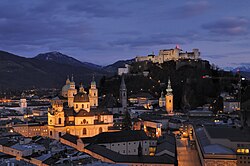
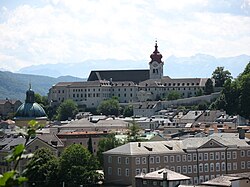
Salzburg's history is a complex tapestry of religious authority and shifting political borders. In the early Middle Ages, the city grew under the rule of prince-bishops. One of its oldest spiritual foundations is the Nonnberg Abbey, a Benedictine monastery founded around 712/715 for Erentrudis.
The city's political allegiance shifted several times during the Napoleonic era. In 1805, it was annexed by the Austrian Empire, only to be transferred to the Kingdom of Bavaria in 1809 following Austria's defeat at Wagram. The Treaty of Munich in 1816 finally returned Salzburg to Austria, though certain territories like Berchtesgaden remained Bavarian. By 1850, Salzburg was restored as the capital of the Duchy of Salzburg, a crownland of the Austrian Empire.
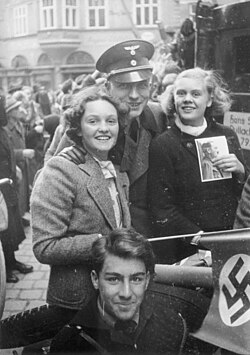
The 20th century brought significant upheaval. Following World War I and the dissolution of the Austro-Hungarian Empire, Salzburg became part of the First Austrian Republic in 1919. This was followed by the annexation by Nazi Germany in 1938, a period marked by the forced integration of the region into the Third Reich.
Geography and Climate
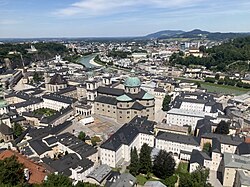
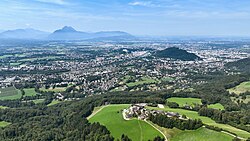
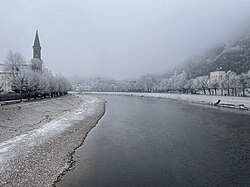
Salzburg is characterized by its position in the Salzburg Basin, where the urban center is framed by the Alps. The city experiences a temperate climate with distinct seasonal variations. Winters can be cold and snowy, while summers are generally mild to warm.
| Metric | Winter (Jan) | Summer (July) | Annual Average |
|---|---|---|---|
| Mean Daily Max Temp (°C) | 3.4 | 24.3 | 14.4 |
| Mean Daily Min Temp (°C) | -3.6 | 13.8 | 5.1 |
| Average Precipitation (mm) | 59 | 158 | 1,195 |
| Average Sunshine Hours | 67.0 | 221.1 | 1,697.1 |
Architectural Highlights and Main Sights
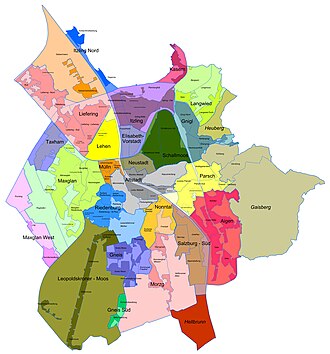
The city is a living museum of architectural styles, ranging from Romanesque and Gothic to Baroque and contemporary modernism.
The Old Town (Altstadt)
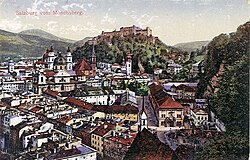
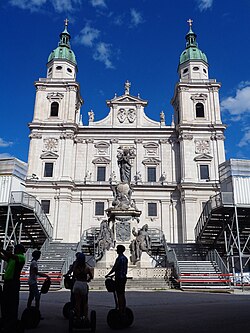
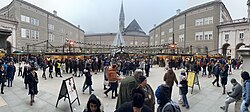
The historic center is a UNESCO World Heritage Site renowned for its Baroque architecture. Dominating the skyline is the Hohensalzburg Fortress, built on the site of a former Roman fort. Below it lies the Salzburg Cathedral, a masterpiece of the city's religious architecture.
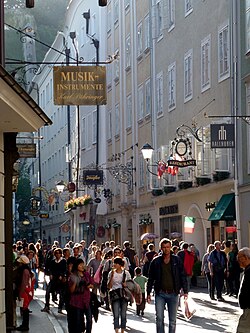
Visitors often stroll through Getreidegasse, one of the city's oldest and busiest shopping streets, characterized by its narrow layout and high townhouses. This street is also home to Mozart's Birthplace, now a museum dedicated to the legendary composer.
Palaces and Gardens
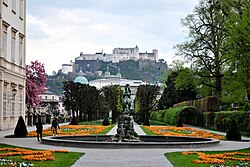
The Mirabell Palace, built in 1606, is famous for its expansive gardens and marble hall, serving as a primary attraction for those visiting the city's green spaces.
Modern Landmarks
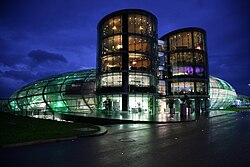
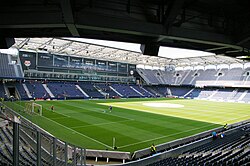
Beyond the historic core, Salzburg embraces modernity. The Red Bull Hangar-7 showcases a blend of aviation and art, while the Stadion Wals-Siezenheim serves as a hub for sports enthusiasts.
Notable Citizens
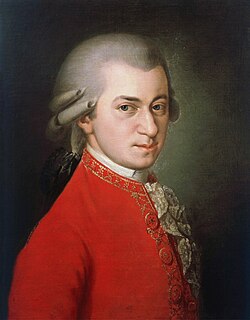
Salzburg has been home to some of history's most influential figures. Most notably, Wolfgang Amadeus Mozart was born and raised here, serving as a musician at the archbishopal court. Other distinguished residents include:
- Theodor Herzl: The father of modern political Zionism, who worked in Salzburg's courts.
- Joseph Mohr: The priest who wrote the lyrics to the world-famous carol "Silent Night."
- The Trapp Family: The real-life inspiration for "The Sound of Music," who lived in Salzburg before fleeing the Nazi regime.
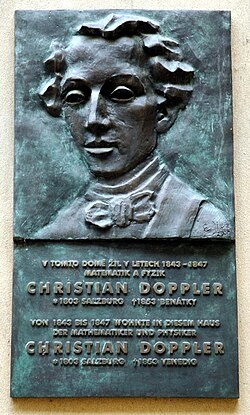
- Christian Doppler: The physicist known for the Doppler effect.
Frequently Asked Questions
What is the population of Salzburg?
As of 2026, the population of the city of Salzburg was 157,994.
Why is Salzburg a UNESCO World Heritage Site?
The Historic Centre of the City of Salzburg was inscribed in 1996 due to its exceptional Baroque architecture and cultural significance, meeting cultural criteria ii, iv, and vi.
Who is the most famous person born in Salzburg?
The most famous person born in Salzburg is the composer Wolfgang Amadeus Mozart, whose birthplace on Getreidegasse is now a major tourist attraction.
What are the main transport options in the city?
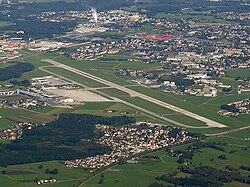
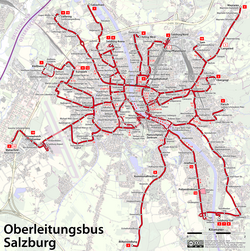
Salzburg is served by an airport and a comprehensive trolleybus system, facilitating movement within the city and to the surrounding region.