Roy Orbison: The Voice and Legacy of the Big O
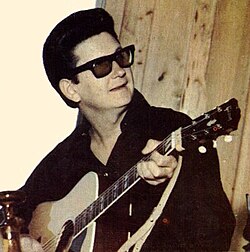
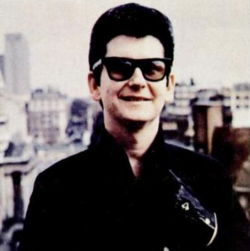
Roy Kelton Orbison was more than just a singer; he was a sonic architect who redefined masculinity in early rock and roll. Known for his powerful, distinctive voice and complex song structures, Orbison specialized in dark, emotional ballads that conveyed a sense of vulnerability rarely seen in male performers of his era. With his trademark black clothes, dyed black hair, and dark sunglasses, he maintained a mysterious stage presence that contrasted sharply with the raw emotion of his music.
Throughout a career spanning from 1953 to 1988, Orbison navigated the evolving landscapes of rock, pop, country, and rockabilly—a genre blending rock and roll with country music. While he achieved moderate success in his early years, his peak periods in the early 1960s and late 1980s cemented his status as one of the greatest vocalists in music history.
Key Facts

- Career Span: Active from 1953 until his death in 1988.
- Signature Style: Known for emotional ballads, minimal stage movement, and dark sunglasses.
- Major Hits: Wrote or co-wrote classics including "Only the Lonely," "Crying," and "Oh, Pretty Woman."
- Supergroup Member: Co-founded the Traveling Wilburys with George Harrison, Bob Dylan, Tom Petty, and Jeff Lynne.
- Accolades: Inductee of the Rock and Roll Hall of Fame and recipient of a Grammy Lifetime Achievement Award.
Early Career and the Sun Records Era
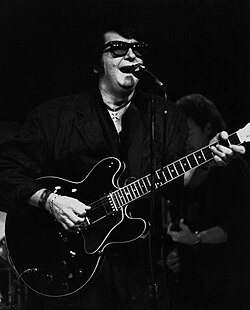
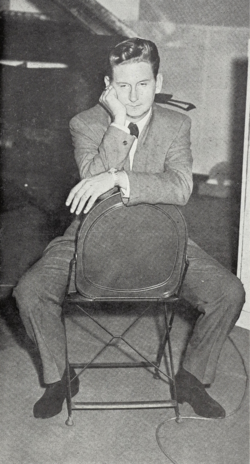
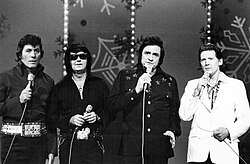
Born in Texas, Orbison's musical journey began as a teenager singing in a country-and-western band. His professional breakthrough came in 1956 when he was signed by Sam Phillips of Sun Records. This signing was prompted by a recommendation from Johnny Cash, occurring just as Elvis Presley was departing the label.
Orbison's first recording at Sun, "Ooby Dooby," mirrored the early style of Presley. While he found moderate success during this period, it served as the foundation for his later experimentation with song structure and vocal delivery.
The Golden Era: Monument Records and Stardom
Orbison's career reached new heights after joining Monument Records. Between 1960 and 1966, he achieved an incredible run of success, with 22 singles reaching the Billboard top 40. Unlike many stars of the time, Orbison wrote or co-wrote nearly all of his top-10 hits.
The Rise of the Emotional Ballad
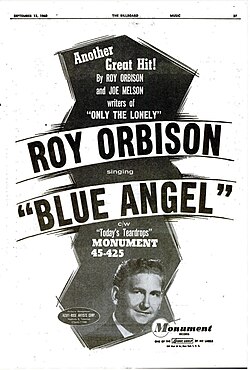
In 1960, Orbison released "Only the Lonely," marking a shift toward the dramatic, orchestral pop sound that would define his legacy. He soon moved to Hendersonville, near Nashville, where he continued to refine his craft. Hits like "Blue Angel" (1960) and "I'm Hurtin'" showcased his ability to blend complex musical arrangements with deep emotional resonance.
International Success and "Oh, Pretty Woman"
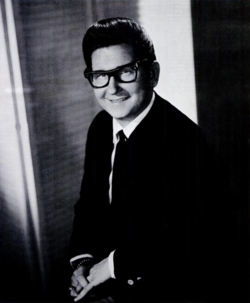
By the early 1960s, Orbison was a global star. He toured England, Ireland, Canada, Australia, and New Zealand. His popularity was so intense that during his tours of Britain and Ireland, police were occasionally required to intervene to manage the crowds of teenage fans. This era produced some of his most enduring works, including "In Dreams" (1963) and the iconic "Oh, Pretty Woman" (1964).
Tragedy and Career Decline
The mid-1960s brought a series of personal hardships that mirrored the darkness of his lyrics. Following a period of marital instability and divorce from his first wife, Claudette, Orbison faced profound loss. He suffered the death of Claudette in a motorcycle accident, followed two years later by the death of two of his sons in a house fire.
These tragedies coincided with a decline in his commercial success. During the 1970s, Orbison struggled to maintain his previous momentum, though he continued to record and perform.
The Final Act: Revival and the Traveling Wilburys
In the late 1980s, Orbison experienced a significant resurgence in popularity, fueled by cover versions of his songs by other artists. He released In Dreams: The Greatest Hits in 1987 and collaborated with k.d. lang on a Grammy-winning version of "Crying."
In 1988, Orbison co-founded the Traveling Wilburys, a supergroup featuring some of the most influential musicians of the century: George Harrison, Bob Dylan, Tom Petty, and Jeff Lynne. This collaboration marked a triumphant return to the spotlight shortly before his death from a heart attack in December 1988 at the age of 52.
Posthumous Legacy and Honors
Orbison's influence only grew after his passing. In 1989, he became the first deceased musician since Elvis Presley to have two albums in the US top five simultaneously: the Traveling Wilburys' debut and his solo album Mystery Girl. His estate, managed by his wife Barbara and later his sons Alex and Roy Kelton Jr., has continued to release archival material, including the "lost" 1969 album One of the Lonely Ones released in 2015.
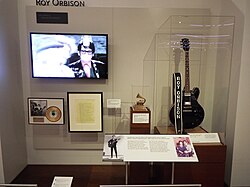
| Category | Details |
|---|---|
| Active Years | 1953–1988 |
| Primary Genres | Rock, Pop, Country, Rockabilly |
| Key Labels | Sun, RCA Victor, Monument, MGM, Virgin |
| Major Awards | Grammy Lifetime Achievement, 5 Grammy Awards |
| Hall of Fame Inductions | Rock and Roll, Nashville Songwriters, Songwriters Hall of Fame |
Frequently Asked Questions
Why did Roy Orbison always wear dark sunglasses?
While often associated with his public image and the mysterious aura of his performances, the dark glasses became a trademark part of his style, complementing his black clothing and dyed black hair.
Who were the members of the Traveling Wilburys?
The supergroup consisted of Roy Orbison, George Harrison, Bob Dylan, Tom Petty, and Jeff Lynne.
Which of Roy Orbison's songs were the most successful?
Some of his most enduring top-10 hits include "Only the Lonely," "Crying," "In Dreams," "Oh, Pretty Woman," and his late-career hit "You Got It."
What happened to Roy Orbison's music after his death?
His legacy is managed by Roy's Boys LLC. Posthumous releases include the album Mystery Girl and the 2015 release of One of the Lonely Ones, an album recorded in 1969 that was previously believed to be lost.
How did Roy Orbison influence other artists?
Orbison is recognized for introducing a more vulnerable, emotional form of masculinity to rock and roll, moving away from the projected strength common among male performers of the 1950s and 60s.