Romani People: History, Culture, and Global Diaspora
The Romani people, often referred to as Roma, constitute a diverse ethnic group with a rich, complex history of migration and resilience. With a global population estimated between 6 and 15.5 million, they form a significant diaspora spanning Europe, the Americas, and Asia. Known for their distinct language and cultural traditions, the Roma have navigated centuries of both artistic contribution and systemic persecution.
While often conflated with other itinerant groups, the Roma possess a unique genetic and linguistic heritage that traces their origins back to South Asia. Today, they maintain a vibrant presence in numerous countries, from the large populations in Romania, Turkey, and Spain to smaller communities in the United States and Brazil.
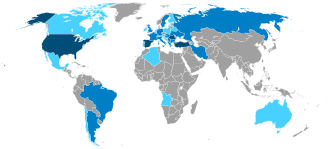
Key Facts
- Origins: Genetic and linguistic evidence points to South Asian roots, specifically linked to Dravidian peoples.
- Population: Estimated between 6 and 15.5 million worldwide.
- Language: The Romani language is an Indo-Aryan tongue related to Sanskrit, Hindi, and Odia.
- Major Populations: Significant communities exist in Romania, Turkey, Spain, Bulgaria, and Hungary.
- Historical Trauma: The community survived the Porajmos (the Romani Holocaust) during World War II.
Origins and Migration
The journey of the Romani people is one of the most remarkable migrations in human history. Linguistic evidence strongly suggests an origin in India. The Romani language shares deep roots with other Indo-Aryan languages; for example, the number "one" is ekh in Romani, similar to éka in Sanskrit and ek in Hindi.
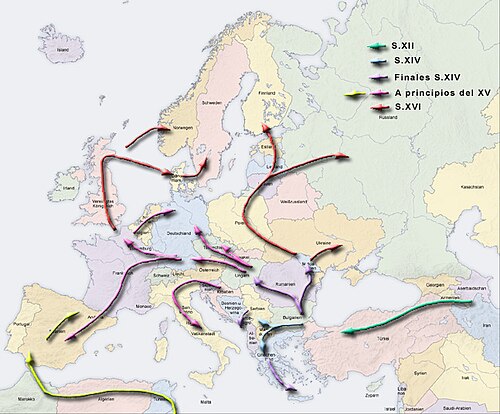
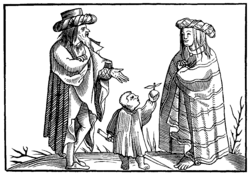
Genetic studies support these findings, showing that the most common paternal haplogroup among Roma is the South Asian Y-chromosome H, which is frequently found among Dravidian populations. From India, the Roma migrated through Persia and into Europe, arriving in various regions by the 15th century. Early accounts describe them as wearing Saracen-style clothing and weapons upon their arrival in areas such as Bern.
![First arrival of the Romanies outside Bern in the 15th century, described by the chronicler as getoufte heiden ("baptized heathens") and wearing Saracen-style clothing and weapons.[257]](/images/6c/b8/6cb83e8d569e82daa63813c97ef9be799ea4aace2c34fa24060fef1c073f0de5.jpg)
Linguistic Connections
The relationship between Romani and other South Asian languages is evident in their numerical systems. Below is a comparison of basic numbers across related languages:
| Number | Romani | Sanskrit | Hindi | Sinhala |
|---|---|---|---|---|
| 1 | ekh | éka | ek | eka |
| 2 | duj | dvá | dō | deka |
| 3 | trin | trí | tīn | thuna/thri |
| 10 | deš | dáśa | das | dahaya |
Population and Subgroups
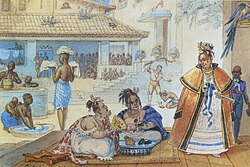
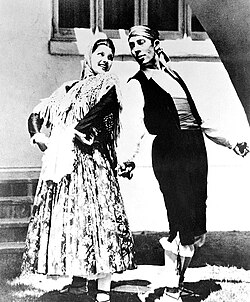
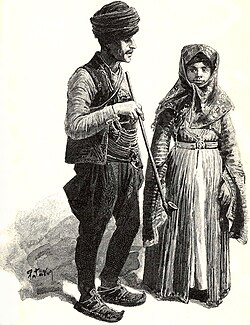
The Romani people are not a monolithic group but are composed of various subgroups often defined by geography or traditional occupation. In Romania, subgroups include the Argintari (silversmiths), Aurari (goldsmiths), and Colari (carpet dealers). In Turkey, traditional roles included the Demirci (blacksmith) and Müzisyen (musician).
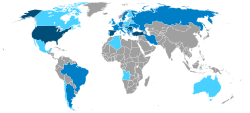
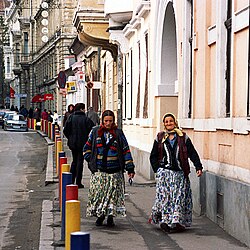
Other notable groups include the Romanichal in the United Kingdom and the Sinti in Central Europe. The diaspora has spread globally, with approximately 1 million people of Romani ancestry in the United States and 800,000 in Brazil.
![Distribution of the Roma in Europe (2007 Council of Europe "average estimates", totalling 9.8 million)[355]](/images/50/a5/50a51c59045c23f4cb09e338b720a822dd7ccfc613815f1239ff990ed9cf0adf.png)
Society and Traditional Culture
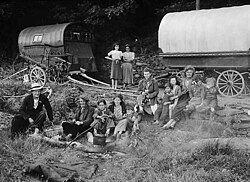
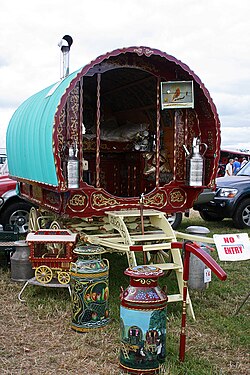
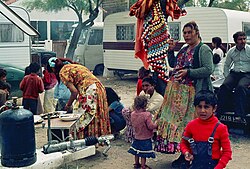
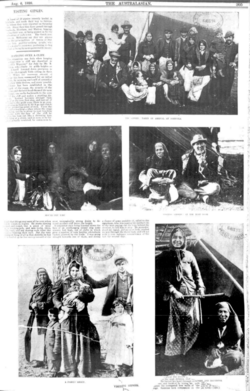
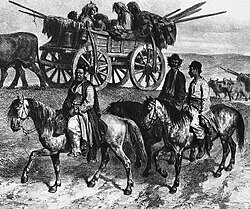
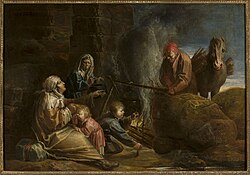
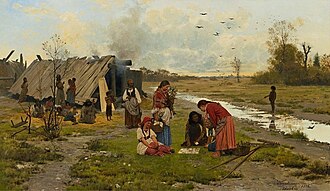
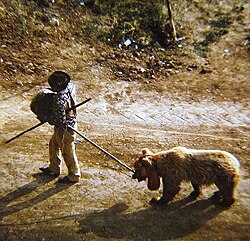
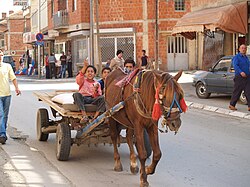
Romani culture is characterized by a strong emphasis on family and a history of adaptability. While many Roma have transitioned to sedentary lifestyles, some maintain nomadic traditions, historically utilizing vardos (traditional horse-drawn wagons).
Religion and Beliefs
The Roma generally adopt the dominant religion of their host country. In the Balkans, many are Muslim, while others are Orthodox or Catholic Christians. Some maintain specific spiritual traditions, such as the veneration of saints or the goddess Kali Sara.
Arts and Music
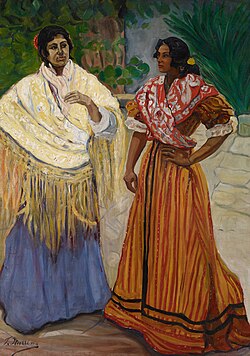
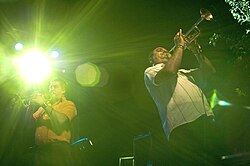
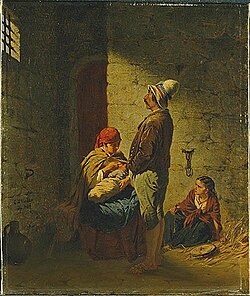
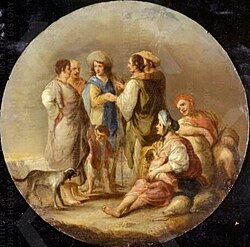
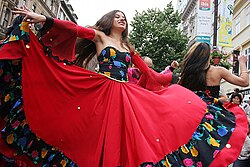
The Romani have had a profound influence on global music and art. From the passionate flamenco of Spain to the brass bands of the Balkans, their musical contributions are world-renowned. They have also been frequent subjects of European art, appearing in works by Vincent van Gogh and Amedeo Modigliani.
Persecution and Human Rights
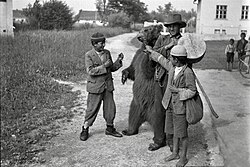
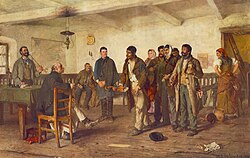
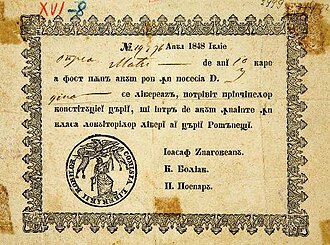
Despite their cultural contributions, the Romani people have faced systemic exclusion and violence. In some regions, such as Moldavia and Wallachia, Roma were subjected to centuries of enslavement until the mid-19th century.
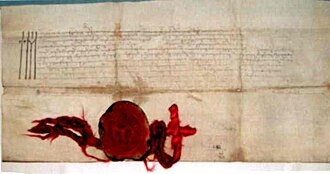
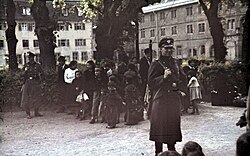
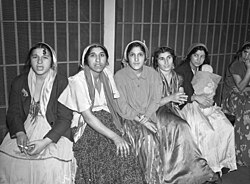
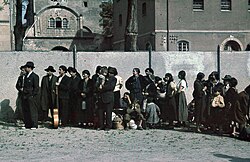
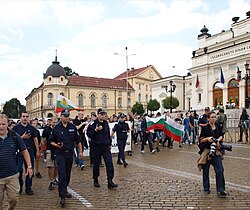
The most devastating period was the Porajmos, the Romani Holocaust, during which the Nazi regime and its collaborators targeted Sinti and Roma for genocide. In the post-war era, the community continues to struggle against forced assimilation, segregation in education, and social discrimination.
Frequently Asked Questions
![The most common paternal haplogroup among Roma is the South Asian Y-chromosome H, most commonly found among Dravidian peoples.[204]](/images/10/1a/101a2034eafd3f5f6cb66f3424cfdbcbcf2aff82acc163e5dbe816d994604c3c.png)
![Members of the Cofradía de los Gitanos [es] parading the "throne" of Mary of the O during the Holy Week in Malaga, Spain](/images/a1/03/a103b3ba1e9acb4869a35d628cc83f3e58d38b230c55ecab080cf8371d891154.jpg)
Where did the Romani people originate?
Linguistic and genetic evidence indicates that the Romani people originated in South Asia, specifically India, before migrating through Persia and into Europe.
What is the Porajmos?
The Porajmos refers to the genocide of the Romani and Sinti people by the Nazi regime and its collaborators during World War II.
Is there a single Romani language?
While there is a primary Romani language, it exists in various dialects and varieties depending on the subgroup and the region of the diaspora.
What are some common Romani subgroups?
Common subgroups include the Sinti, Romanichal, and various occupation-based groups in Romania such as the Argintari (silversmiths) and Colari (carpet dealers).
How many Romani people are there worldwide?
Estimates vary widely due to the nature of the diaspora, but the total population is generally placed between 6 and 15.5 million people.