Romance Films: The Evolution, Subgenres, and Cinematic Impact of Love Stories
At the heart of the human experience lies the pursuit of connection, a theme that has made romance films a cornerstone of visual media. These stories, whether broadcast in theaters or on television, focus on the passion, emotion, and affectionate involvement of main characters. By centering their plots on the search for romantic love, these films guide viewers through the complexities of dating, courtship, and marriage.
While the central theme is affection, romance films are rarely simple. Characters often face significant obstacles, including financial struggles, physical illness, social discrimination, psychological restraints, or family resistance. These narratives mirror the tensions of real-world relationships, incorporating elements of infidelity, compatibility issues, and the daily pressures of life.
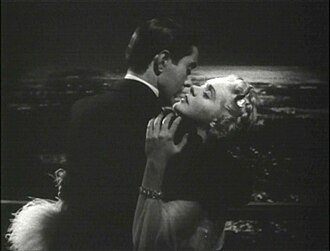
Tyrone Power passionately embraces Alice Faye in the 1938 film Alexander's Ragtime Band.
Key Facts
- Core Focus: The search for romantic love and the emotional journey of the characters.
- Genre Status: Identified as one of eleven "super-genres" in Eric R. Williams' screenwriters' taxonomy.
- Market Trend: The proportion of romance films released has declined from 34.8% in 2000 to 8.6% in recent years.
- Common Themes: Includes love at first sight, unrequited love, forbidden love, and tragic love.
- Narrative Goal: Often provides escapism through a "happily ever after" conclusion.
The Changing Landscape of Romance in Cinema
The presence of romance in cinema has historically been cyclical. The genre enjoyed a substantial period of dominance from the 1940s through the early 1960s, followed by a period of decline. While the genre saw a gradual recovery during the final three decades of the 20th century—peaking in the early 2000s—recent data suggests a reversal of this trend.
According to IMDb data, the share of romance films within total movie productions has seen a significant decrease. Furthermore, the practice of integrating romance as a subplot within other genres, such as action films, also appears to be diminishing.
| Period/Metric | Trend/Percentage |
|---|---|
| 1940s – Early 1960s | Substantial portion of releases |
| Late 20th Century | Gradual recovery |
| Early 2000s | Genre peak |
| Year 2000 Share | 34.8% of all movies |
| Recent Year Share | 8.6% of all movies |
Diverse Subgenres of Romance
Because romance is such a broad category, it is often divided into specific subgenres that cater to different moods and audience expectations.
Romantic Comedy
Romantic comedies utilize light-hearted, humorous plotlines. These films typically rely on verbal or situational humor rather than slapstick, operating under the romantic ideal that true love can overcome most obstacles. Notable examples include When Harry Met Sally... and Moonstruck.
Romantic Drama
In contrast, romantic dramas focus on the obstacles that prevent deep love. These films often use music to heighten the emotional atmosphere. Unlike comedies, the conclusion of a romantic drama may not explicitly confirm whether the couple achieves a final union. This subgenre includes classics like Casablanca and modern works like The Fault in Our Stars.

Rutger Hauer and Monique van de Ven play the lead roles in Paul Verhoeven's film "Turkish Delight (1973 film)".
Historical Romance
Also known as epic romance, this subgenre places romantic stories within a historical setting, often amidst the turbulence of war, revolution, or tragedy. Gone with the Wind and Titanic are quintessential examples of this style.
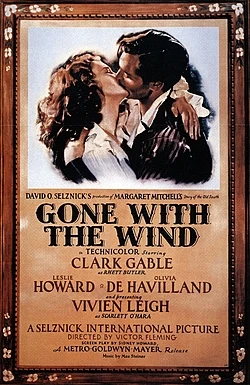
Poster for Gone With the Wind (1939)
Paranormal Romance
This popular genre features romantic relationships between humans and supernatural creatures. Common tropes include vampirism, ghosts, and time travel. The genre gained significant cinematic momentum in the early 2000s following the success of the Twilight Saga adaptations.
Other Notable Subgenres
- Chick Flick: A term often associated with romance films targeted toward female audiences, though it is not a formal genre and does not always require a central romance.
- Romantic Fantasy: Stories that blend romance with fantasy elements, such as Enchanted or Beauty and the Beast.
- Romantic Musical: Films where the romantic story is partially conveyed through song and dance, a tradition originating on Broadway.
- Romantic Thriller: A hybrid genre combining romantic elements with the suspense and tension of a thriller, such as The Bodyguard.
Understanding Film Taxonomy
To understand how films are categorized professionally, scholars like Eric R. Williams use a complex taxonomy. This system distinguishes between film types (such as comedy or drama), super-genres (like romance), and macro genres (specific themes like "disease" or "family").
For example, a film like The Notebook is not just a romantic drama; in this taxonomy, it is classified as a dramatic (type) disease (macro genre) romance (genre). Additionally, elements like music are considered the filmmaker's voice—an artistic choice that changes how the story is told without changing the fundamental genre.
Frequently Asked Questions
What is the difference between a romance film and a "chick flick"?
While "chick flick" is a term often used for romance films aimed at women, they are not interchangeable. A "chick flick" does not necessarily have to feature a central romantic relationship or theme.
Why are romance films declining in popularity?
Data shows a significant decline in the percentage of romance films produced, dropping from 34.8% in 2000 to 8.6% recently. This trend also includes a decrease in romance being used as a subplot in other genres.
What defines a paranormal romance?
Paranormal romance involves romantic relationships between humans and supernatural beings, utilizing elements like vampires, ghosts, or psychic abilities that cannot be explained by science.
How does a romantic musical differ from a standard romance?
In a romantic musical, the narrative and the romantic development are partially expressed through musical numbers, including song and dance.
What are the main themes found in romance films?
Common themes include love at first sight, unrequited love, obsession, forbidden love, and the struggle to overcome obstacles like family resistance or personal illness.