Romance Films: Evolution, Subgenres, and Cinematic Trends
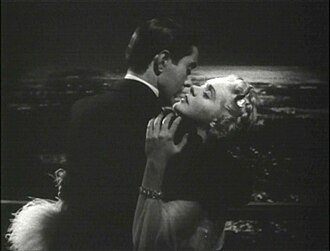
Romance films are visual narratives centered on the experience of romantic love. These stories focus on the passion, emotion, and affectionate involvement of their main characters, typically tracing their journey through dating, courtship, or marriage. At its core, the genre is driven by the search for romantic love, though this path is often complicated by obstacles such as financial struggles, physical illness, family resistance, psychological restraints, or discrimination.
Beyond the initial pursuit of love, these films often delve into the complexities of maintaining deep relationships, exploring themes of compatibility, the temptation of infidelity, and the tensions of daily life. For many viewers, romance films serve as a form of fantasy or escape, often culminating in a "happily ever after" signaled by a reunion and a final kiss.
Key Facts
- Core Focus: The central plot revolves around the search for and experience of romantic love.
- Thematic Range: Covers everything from love at first sight and platonic love to tragic and sacrificial love.
- Market Trend: IMDb data shows a significant decline in the share of romance films, dropping from 34.8% in 2000 to 8.6% in recent reports.
- Taxonomy: Scholar Eric R. Williams classifies Romance as one of eleven "super-genres" of narrative film.
The Evolution and Decline of the Genre
The presence of romance films in cinema has been cyclical. The genre held a substantial share of the market from the 1940s through the early 1960s before experiencing a decline. It saw a gradual recovery during the final three decades of the 20th century, reaching a peak in the early 2000s.
In recent years, however, the trend has reversed. Not only has the proportion of standalone romance films decreased, but the use of romance as a subplot within other genres, such as action movies, also appears to be diminishing.
Diverse Subgenres of Romance
The romance genre is broad, encompassing various styles and tones to appeal to different audiences and emotional needs.
Romantic Comedy
Romantic comedies (rom-coms) feature light-hearted, humorous plots where true love typically surmounts all obstacles. The humor is generally situational or verbal rather than slapstick. Notable examples include Annie Hall, When Harry Met Sally..., and Roman Holiday.
Romantic Drama
Unlike comedies, romantic dramas focus on obstacles that prevent deep love from being realized. These films often use music to heighten the emotional atmosphere and may leave the final union of the couple ambiguous. Examples include Casablanca, The English Patient, and the Before trilogy by Richard Linklater.

Historical Romance
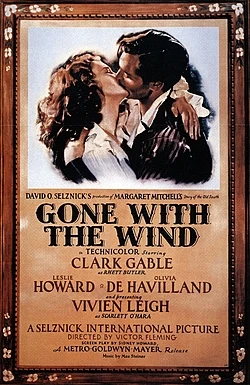
Also known as epic romance, these stories are set in specific historical periods, often against a turbulent backdrop of war or revolution. Classic examples include Gone with the Wind and Titanic.
Paranormal Romance
This genre features relationships between humans and supernatural beings, incorporating elements like vampirism, time travel, or telekinetic abilities. This trend gained significant cinematic momentum in the early 2000s with The Twilight Saga.
Other Specialized Subgenres
- Romantic Fantasy: Uses fantasy conventions to tell love stories, such as in Eternal Sunshine of the Spotless Mind or Enchanted.
- Romantic Musical: Stories told partially through song and dance, such as La La Land or West Side Story.
- Romantic Thriller: Combines romantic elements with suspense, seen in films like Vertigo or The Bodyguard.
- Chick Flick: A term for films targeted toward a female audience. While often romantic, it is not a defining characteristic of the romance genre itself.
The Screenwriter's Taxonomy
To provide a more technical analysis, scholar Eric R. Williams proposes a taxonomy that moves beyond simple subgenres. He suggests that all narrative films can be categorized by film type (Comedy or Drama), super-genres (such as Romance), and macro genres (specific themes like "disease" or "family").
Under this system, a film's "voice"—such as the choice to make it a musical—is an artistic delivery method rather than a plot driver. For example, Grease would be classified as a dramatic type, romance super-genre, high school/coming-of-age macro genre, with a musical voice.
| Subgenre | Primary Tone | Key Characteristic | Example |
|---|---|---|---|
| Romantic Comedy | Light-hearted | Humor and optimistic resolution | When Harry Met Sally... |
| Romantic Drama | Emotional | Significant obstacles to love | The English Patient |
| Historical Romance | Epic | Period setting/Turbulent backdrop | Gone with the Wind |
| Paranormal Romance | Supernatural | Human-supernatural relationships | The Twilight Saga |
| Romantic Thriller | Tense | Blend of romance and suspense | Vertigo |
Frequently Asked Questions
What is the difference between a romance film and a "chick flick"?
A romance film is defined by its central focus on romantic love. A "chick flick" is a marketing term for films targeted at a female audience; it does not necessarily require a romantic plot or central romantic relationship to fit this description.
Why has the number of romance films decreased recently?
While the exact cause isn't detailed, IMDb data indicates a sharp decline from 34.8% of all movies in 2000 to 8.6% in recent years, suggesting a shift in production trends and a decrease in romance as both a primary genre and a subplot.
What defines a paranormal romance?
Paranormal romance features romantic relationships involving elements that cannot be explained by science, such as ghosts, vampires, or time travel.
How does the screenwriters taxonomy classify romance?
It identifies Romance as one of eleven "super-genres." It further refines films by assigning a "type" (Comedy or Drama), "macro genres" (specific thematic settings), and a "voice" (the artistic method of delivery, such as a musical).