Rolling Stone: The Evolution of a Cultural Icon
Since its inception in the late 1960s, Rolling Stone has served as more than just a publication; it has been a mirror reflecting the shifting tides of music, politics, and popular culture. Founded during the height of the counterculture movement, the magazine transitioned from a niche underground voice to a global entertainment powerhouse.
Key Facts
- Founded: November 9, 1967, by Jann Wenner and Ralph J. Gleason.
- Current Owner: Penske Media Corporation.
- Circulation: 423,377 as of June 2023.
- Frequency: Published monthly.
- Core Focus: Popular culture, music, and political reporting.
The History of Rolling Stone
Founding and Early Years (1967–1979)
Rolling Stone was launched on November 9, 1967, with a mission to document the burgeoning rock scene and the social upheavals of the era. In its earliest days, the magazine was deeply entwined with the counterculture—the cultural movement of the 1960s that rejected conventional social norms.
Transition to Entertainment (1980–1999)
As the musical landscape shifted, the publication evolved from a counterculture journal into a broader entertainment magazine, expanding its scope to cover a wider array of celebrities and pop culture phenomena.
Expansion and Modern Ownership (2000–Present)
The early 21st century saw a significant expansion of the magazine's readership. After years of independent growth, ownership shifted, eventually leading to the Penske Media Corporation taking full ownership of the brand in January 2019.
Iconic Covers and Format
The visual identity of Rolling Stone is defined by its covers. The first ten issues established a legendary roster of artists, featuring icons such as John Lennon, Tina Turner, The Beatles, Jimi Hendrix, Jim Morrison, Janis Joplin, and Eric Clapton. It also highlighted pivotal events like the Monterey International Pop Festival.
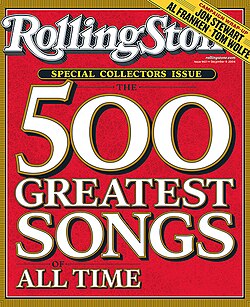
Over the decades, the magazine has adapted its format. While it began as a large-format print publication, it eventually transitioned to a smaller size and expanded its digital presence through its official website and the gaming-focused vertical, Glixel.
Global Reach and International Editions
Rolling Stone's influence extended far beyond the United States through various international licenses. While some editions flourished, others were short-lived.
| Edition | Status | Notes |
|---|---|---|
| Canada | Active | Relaunched in January 2026. |
| Chile | Defunct | Published 2003–2011. |
| Indonesia | Defunct | Published 2005–2017. |
| South Africa | Defunct/New | Original 2011–2014; new partnership announced 2024. |
Controversies and Criticism
Throughout its history, the magazine has faced significant scrutiny regarding its editorial standards and political alignment. Notable controversies include:
- Legal Battles: A high-profile defamation lawsuit resulting from a discredited story regarding an alleged rape at the University of Virginia.
- Editorial Backlash: Criticism over a cover featuring Boston Marathon bombing suspect Dzhokhar Tsarnaev.
- Journalistic Ethics: Controversies surrounding an interview with "El Chapo" conducted by Sean Penn and reporting on ivermectin.
- Staff Issues: The James Gordon Meek child pornography case.
Frequently Asked Questions
Who founded Rolling Stone magazine?
The magazine was founded by Jann Wenner and Ralph J. Gleason on November 9, 1967.
Who currently owns Rolling Stone?
The publication is currently owned by the Penske Media Corporation, which took full ownership in 2019.
What were the first artists to appear on the cover?
The first ten covers featured legendary figures including John Lennon, Tina Turner, The Beatles, Jimi Hendrix, Jim Morrison, Janis Joplin, and Eric Clapton.
Does Rolling Stone still have a print edition?
Yes, it continues to be published as a monthly magazine, though it has undergone various format changes over the years.
Has Rolling Stone been mentioned in music?
Yes, the magazine is referenced in the title track of Pink Floyd's album The Final Cut, with the lyric, "Would you sell your story to Rolling Stone?"