Riyadh: The Dynamic Capital of Saudi Arabia
Riyadh, the sprawling capital of Saudi Arabia, serves as the political, administrative, and financial heart of the Kingdom. Located in the Najd region (the central plateau of the Arabian Peninsula), Riyadh has evolved from a small walled town into a global metropolis. Today, it is a city of contrasts, where ancient mud-brick palaces stand in the shadow of futuristic skyscrapers.
Founded in 1746 by Dahham ibn Dawwas, Riyadh officially became the capital in 1824. Over the last two centuries, it has grown from a modest settlement into the largest city in Saudi Arabia, boasting a high Human Development Index (HDI) of 0.899 as of 2022.
Key Facts
- Population: 7,009,100 (City) / 7,820,551 (Metro) as of 2022.
- GDP (PPP): $428.7 billion (Metro, 2023).
- Elevation: 612 meters (2,008 feet).
- Literacy Rate: 99.38% (2021).
- Major Landmarks: Al-Masmak Palace, Kingdom Centre, and Al-Faisaliah Tower.
- Upcoming Events: Host of the 2034 Asian Games.
Geography and Climate
Riyadh is situated at coordinates 24°38′N 46°43′E. The landscape is characterized by the 120 km long Wadi Hanifa valley, which cuts through the city, and the nearby Nafud desert and Jabal Tuwaiq mountains.
The city experiences a desert climate with extreme temperature variations. Summers are intensely hot, with record highs reaching 48.8°C (119.8°F). Winters are mild to cool, with record lows dipping to -5.4°C (22.3°F). Precipitation is sparse, occurring primarily in December, though the city occasionally sees significant rainfall during the winter months.
Historical Evolution
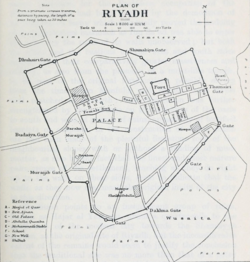
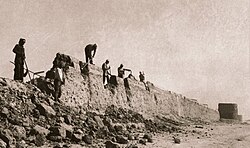
The early history of Riyadh is tied to the First Saudi State. For decades, the city was defined by its defensive walls, which protected the inhabitants until their demolition in 1950. This event marked the beginning of a massive era of expansion and modernization.
Ancient and Vernacular Architecture
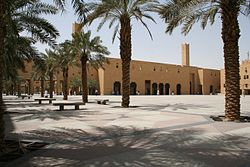
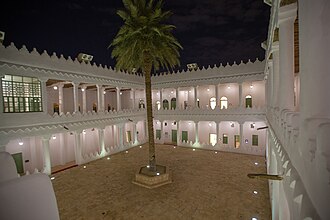
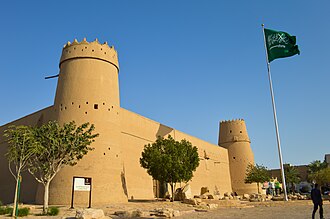
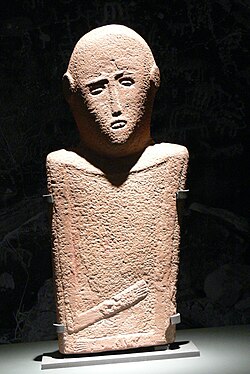
The city preserves its heritage through sites like the Al-Masmak Palace, a symbol of the Saudi state's unification, and the Turaif district in Diriyah. The National Museum of Saudi Arabia also houses prehistoric artifacts, including anthropomorphic stelae dating back to the 4th millennium BC.
Modern Urbanization
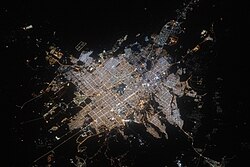
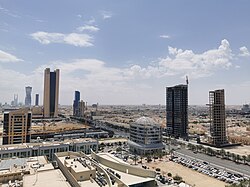
From the 1960s onward, Riyadh underwent rapid growth. The skyline was transformed by contemporary architectural marvels such as the Kingdom Centre and the Al-Faisaliah Tower. The city is now divided into numerous districts, including the high-end Al-Olaya and the historic Al-Deerah.
Economy and Infrastructure
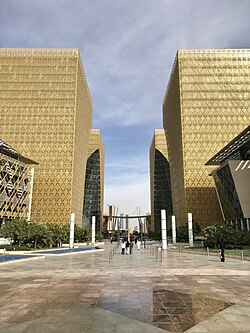
Riyadh is a powerhouse of economic activity with a per capita GDP (PPP) of $55,800. The city is home to the King Abdullah Financial District and Digital City, cementing its status as a regional hub for finance and technology.
Transportation Networks
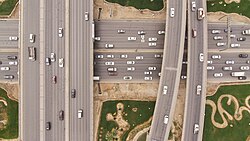
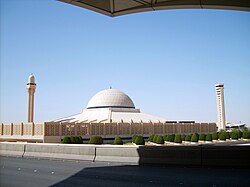
The city's transport infrastructure is undergoing a revolution. While King Fahd Road remains a primary north-south axis, the newly completed Riyadh Metro (a $25 billion project) is set to transform urban mobility. Air travel is handled by King Khalid International Airport, with the planned King Salman International Airport expected to be one of the world's largest.
Major Development Projects
Under the umbrella of national modernization, several multi-billion dollar projects are currently underway:
| Project | Expected Opening | Estimated Cost | Area (km²) |
|---|---|---|---|
| Diriyah Gate | 2027 | $62.2 Billion | 14 |
| New Murabba | 2030 | $50 Billion | 19 |
| Riyadh Metro | 2024 | $25 Billion | N/A |
| King Salman Park | 2025 | $25 Billion | 17 |
| King Salman Int'l Airport | 2030 | $30 Billion | 57 |
Culture, Sports, and Society
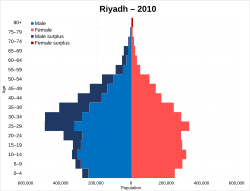
Riyadh is a center for arts and festivals, hosting the Riyadh International Book Fair and the annual Riyadh Season. The city's demographic profile has shifted dramatically, growing from just 18,000 people in 1918 to over 7 million today.
Football is the most popular sport in the city. Riyadh is home to several major clubs, including Al-Hilal (established 1957), Al-Nassr (established 1955), and Al-Shabab (established 1947). The city's sporting ambitions are further highlighted by its selection to host the 2034 Asian Games.
Frequently Asked Questions
When was Riyadh founded and when did it become the capital?
Riyadh was founded in 1746 by Dahham ibn Dawwas and officially became the capital city of Saudi Arabia in 1824.
What is the climate like in Riyadh?
Riyadh has a desert climate characterized by very hot summers (reaching up to 48.8°C) and mild to cool winters (dropping as low as -5.4°C), with very low annual precipitation.
What are the most significant historical sites in the city?
Key historical sites include the Al-Masmak Palace, the Turaif district in Diriyah, and the National Museum of Saudi Arabia.
Which football clubs are based in Riyadh?
The city hosts several major clubs, most notably Al-Hilal, Al-Nassr, Al-Shabab, and Al-Riyadh Club.
What is the current population of Riyadh?
As of 2022, the population of the capital city is 7,009,100, with the wider metropolitan area reaching 7,820,551.