Ricardo Güiraldes: The Literary Voice of the Argentine Gaucho
Ricardo Güiraldes (1886–1927) stands as one of the most influential figures in Argentine literature. A novelist and poet of the early 20th century, he is best remembered for capturing the spirit of the gauchos—the skilled horsemen and cowboys of the Argentine pampas—most notably in his masterpiece, Don Segundo Sombra.
Born into the landowning aristocracy in Buenos Aires, Güiraldes lived a life of duality, splitting his time between the cosmopolitan energy of European capitals and the rustic tranquility of the Argentine countryside. This intersection of high culture and rural tradition defined his unique literary voice.
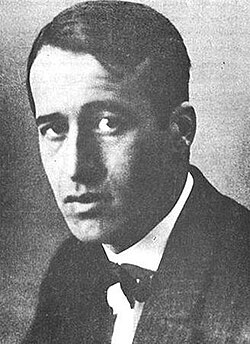
Key Facts
- Most Famous Work: Don Segundo Sombra (1926).
- Cultural Focus: The life and traditions of the Argentine gauchos.
- Multilingualism: Fluent in Spanish, French, and German; French was his first language.
- Literary Circles: Co-founder of the magazine Proa and member of the Frente Único.
- Death: Passed away in Paris in 1927 due to Hodgkin's disease.
Early Life and Cosmopolitan Influence
Güiraldes was born on February 13, 1886, to a wealthy family. His father, Manuel Güiraldes, served as the intendente (government-appointed mayor) of Buenos Aires and was a patron of the arts. His mother, Dolores Goñi, was a descendant of the founder of San Antonio de Areco.
His childhood was marked by international travel. At age one, he moved to Paris, where he lived for four years. This early immersion meant that French became his primary language, deeply influencing his later writing style and aesthetic tastes. Despite his academic pursuits in architecture and law, Güiraldes never practiced either profession, instead channeling his energy into art, sketching, and travel.
The Connection to the Pampas
While his education was formal and international, Güiraldes' heart remained tied to the family ranch, La Porteña, in San Antonio de Areco. It was here that he immersed himself in the world of the gauchos. He formed a pivotal relationship with Segundo Ramírez, the real-life inspiration for the protagonist of his most famous novel.
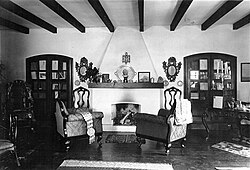
Despite suffering from asthma, which occasionally limited his physical activity, Güiraldes maintained an image of vigor and a deep love for country life. This authentic connection to the rural landscape provided the raw material for his literary explorations of Argentine identity.
Literary Evolution and Struggles
Güiraldes' path to success was not immediate. After a period of idleness in Paris, he began writing Cuentos de muerte y de sangre (Stories of Death and Blood). Upon returning to Buenos Aires in 1912, he married Adelina del Carril and began publishing poetry and short stories.
His early works, including El cencerro de cristal, were not initially well-received. In a fit of frustration, Güiraldes famously threw unsold copies of his books into a well. Only a few water-damaged copies were rescued by his wife, and these are now highly sought after by collectors.
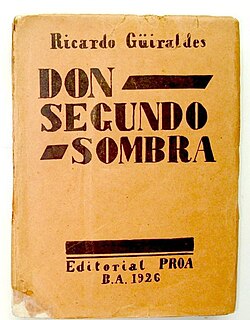
He continued to refine his craft, publishing Raucho in 1917 and Rosaura in 1922. His travels to the Pacific, Cuba, and Jamaica also inspired the fictionalized travel story Xaimaca (1923).
The Masterpiece and Later Years
In 1919, while residing in Paris and frequenting literary salons, Güiraldes began work on Don Segundo Sombra. The novel, completed in March 1926, became his definitive work, blending his love for the gaucho culture with a sophisticated narrative style.
During this period, Güiraldes became a mentor to the Florida group, a circle of avant-garde writers. He co-founded the magazine Proa alongside Jorge Luis Borges and others, and fought against pompierismo—the use of overly academic or pompous language in literature.
In his final years, Güiraldes underwent a spiritual transformation, turning toward theosophy, Eastern philosophy, and Hinduism. This shift is evident in his late poetry.
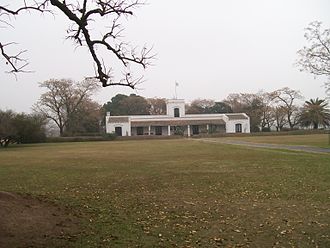
Tragically, while traveling to France in 1927 with the intention of visiting India, he was diagnosed with Hodgkin's disease. He died in Paris on October 8, 1927, at the home of his friend, painter Alfredo González Garaño.
Summary of Major Works
| Year | Title | Genre |
|---|---|---|
| 1915 | El cencerro de cristal | Poetry |
| 1915 | Cuentos de muerte y sangre | Short Stories |
| 1917 | Raucho | Novel |
| 1922 | Rosaura | Short Novel |
| 1923 | Xaimaca | Fictionalized Travel |
| 1926 | Don Segundo Sombra | Novel |
| 1928 | Poemas místicos / Poemas solitarios | Poetry (Posthumous) |
Frequently Asked Questions
Who was the inspiration for Don Segundo Sombra?
The title character was based on Segundo Ramírez, a man Güiraldes met while spending time at his family's ranch in San Antonio de Areco.
What was the "Florida group"?
The Florida group was a circle of avant-garde writers in Buenos Aires. Güiraldes acted as a teacher and supporter to this group and co-founded the magazine Proa with members including Jorge Luis Borges.
Why are some of his early books so rare?
Because his early works were not initially popular, Güiraldes threw many of the unsold copies into a well. The few surviving, water-damaged copies are now prized by book collectors.
How did French culture influence his writing?
Having lived in Paris from the age of one and speaking French as his first language, Güiraldes was deeply influenced by French-language literature, which shaped his literary style and tastes.
What is "pompierismo" and why did he oppose it?
Pompierismo refers to the use of dry, pompous, or overly academic language. Güiraldes co-founded the Frente Único to oppose this style in favor of more natural and engaging writing.