Religion in Argentina: From Catholic Traditions to Diverse Faiths
Argentina is a nation where spiritual identity is deeply woven into the fabric of society, culture, and politics. While historically dominated by the Roman Catholic Church, the country has evolved into a diverse religious landscape. From the towering spires of Buenos Aires' cathedrals to the largest mosque in South America, Argentina reflects a complex blend of colonial heritage and modern pluralism.
Key Facts
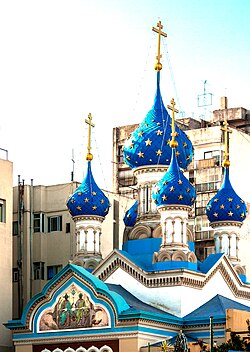
- Catholicism remains the most prominent faith, though regular practice varies significantly.
- Pope Francis, the current head of the Catholic Church, previously served as the Cardinal Archbishop of Buenos Aires.
- Argentina hosts the largest Jewish and Muslim minorities in Latin America.
- Evangelicalism, particularly Pentecostalism, has seen steady growth since the 1980s.
- The Constitution guarantees freedom of religion, although the state officially sustains the Roman Catholic religion.
The Dominance and Influence of Catholicism
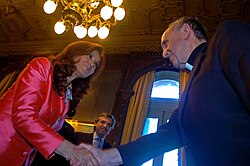
Catholicism is central to Argentine national identity, bridging various ideological and social divides. The Church established its influence during Spanish colonial rule from the 16th to the early 19th centuries. While not the official state religion, Catholic representatives frequently participate in state functions.
Estimates of Catholic affiliation vary widely; some data suggests as few as 62.9%, while the CIA Factbook lists 92%. However, a significant gap exists between identification and practice, with some reports indicating that fewer than 20% of Catholics practice their faith regularly.
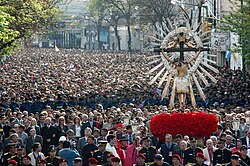
The relationship between the Church and the State has faced periods of tension, particularly regarding economic policies, contraception, and the Church's role during the "Dirty War" (a period of state-sponsored violence). Historically, the Constitution required the president to be Roman Catholic, but this requirement was removed during the 1994 constitutional reform.
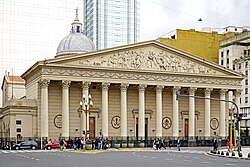
Major Catholic Landmarks
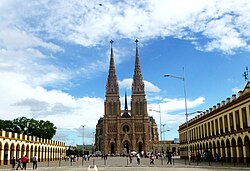
The spiritual landscape is marked by significant sites such as the Metropolitan Cathedral of the Most Holy Trinity in Buenos Aires and the Basilica of Our Lady of Luján.
The Rise of Other Christian Denominations
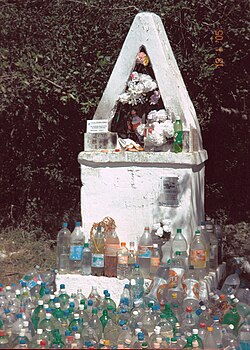
Since the 1980s, Protestantism—specifically Evangelicalism (known locally as Evangélicos)—has gained significant ground. Pentecostalism, a movement emphasizing the direct experience of God's presence, was initially popular among the lower class but has increasingly appealed to the urban middle class.
Other Christian groups include:
- The Church of Jesus Christ of Latter-day Saints: Claims over 474,000 members with a network of temples and congregations.
- Jehovah's Witnesses: A small but present minority.
- Waldensian Church: Settlers from Italy arrived in 1856, maintaining a presence shared between Argentina and Uruguay.
- Anglican Church of the Southern Cone: Represents the Anglican Communion.
Religious Minorities and Diversity
Islam in Argentina
Argentina is home to the largest Muslim community in Latin America, estimated at approximately 910,000 people (roughly 2.14% of the population). This community grew largely through 20th-century immigration from the Ottoman Empire, primarily from Syria and Lebanon.
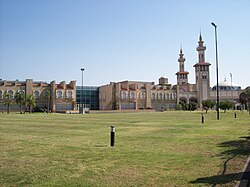
A landmark of this community is the King Fahd Islamic Cultural Center in Buenos Aires, the largest mosque in South America. Completed in 1996, the complex includes a library, two schools, and a park.
Judaism in Argentina
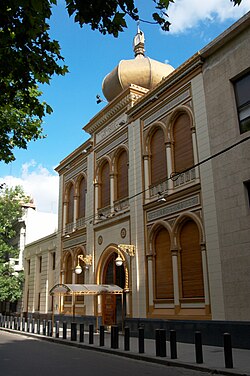
With about 300,000 people, Argentina has the largest Jewish population in Latin America. The community consists of Ashkenazi Jews and Sephardi Jews (descendants of Spanish and Portuguese migrants). While the population peaked after World War II, many emigrated to Israel, Europe, or the United States due to economic and cultural pressures.
Eastern Faiths and Paganism
Buddhism has been practiced since the early 1980s, with temples established by Chinese and Korean immigrants. The XIV Dalai Lama has visited Buenos Aires twice (2006 and 2011). Hinduism is practiced primarily by the Indian diaspora, including professionals in Buenos Aires and Indo-Caribbeans from countries like Guyana and Suriname.
Additionally, neopaganism exists in the form of Wicca and Argentine cábala—a unique blend of astrology, superstition, and soccer culture.
Legal Status and Religious Freedom
The Argentine Constitution guarantees freedom of religion. However, the process for minority religions to gain official state recognition remains bureaucratic due to laws dating back to 1978. Despite this, Freedom House has scored the country 4 out of 4 for religious freedom.
| Affiliation | Estimated % of Population |
|---|---|
| Roman Catholic | 62.9% |
| Pentecostal | 13.0% |
| Other Evangelical | 2.3% |
| No Religion (Atheist/Agnostic/None) | 18.9% |
| Other Religions (Jewish, Muslim, etc.) | 1.2% |
Popular Cults and Parody Religions
Argentina also hosts unique cultural phenomena like the Iglesia Maradoniana. This is a parody religion founded by fans of football legend Diego Maradona, boasting between 120,000 and 200,000 followers who treat the athlete as a divine figure.
Frequently Asked Questions
Is Catholicism the official religion of Argentina?
No, Catholicism is not the official religion, and the Constitution guarantees freedom of religion. However, the federal government does sustain the Apostolic Roman Catholic religion.
Who is the most famous Argentine religious figure?
The most prominent figure is Pope Francis, who was elected to the papacy on March 13, 2013, after serving as the Cardinal Archbishop of Buenos Aires.
How large is the Muslim community in Argentina?
Argentina has the largest Muslim minority in Latin America, with estimates ranging from 500,000 to approximately 910,000 people.
What is the Iglesia Maradoniana?
It is a sport-themed parody religion created by fans to honor football player Diego Maradona, rather than a traditional theological faith.
Are there many Jews in Argentina?
Yes, Argentina has the largest Jewish population in Latin America and south of the Tropic of Cancer, totaling about 300,000 people.