RCA Corporation: The Rise and Fall of an Electronics Giant
For over five decades, the Radio Corporation of America (RCA) stood as the dominant force in American electronics and communications. Founded in 1919, RCA evolved from a strategic patent trust into a global conglomerate that defined the golden age of radio and pioneered the birth of television. From its headquarters at the iconic 30 Rockefeller Plaza, RCA shaped how the world consumed information and entertainment.
The company's trajectory was closely tied to the vision of David Sarnoff, who served as general manager at its inception and later as president from 1930 to 1965. Under his leadership, RCA transitioned from providing maritime wireless services to becoming a household name in consumer electronics.
![Company logo in 1921 stressed its leadership in international communication.[2]](/images/cf/d3/cfd3c316533298dcb72acf77d73dfee440bd37b5f17106c84c01dec9f9aad914.jpg)
Key Facts
- Founded: November 20, 1919, by Owen D. Young.
- Core Innovations: Exclusive manufacturer of the first superheterodyne receiver (a type of radio receiver that improves selectivity) and a pioneer in color television.
- Major Subsidiaries: Founded the National Broadcasting Company (NBC) in 1926.
- Key Acquisitions: Purchased the Victor Talking Machine Company in 1929.
- End of Era: Re-acquired by General Electric in 1986 and subsequently broken up.
The Foundation of a Communications Empire
RCA originated as a reorganization of the Marconi Wireless Telegraph Company of America. Initially, it operated as a patent trust owned by a partnership including General Electric (GE), Westinghouse, AT&T, and the United Fruit Company. It wasn't until 1932 that RCA became a fully independent company following an antitrust lawsuit by the United States government.
International and Marine Communication
In its early years, RCA focused on competing with undersea telegraph cables by providing wireless services for seagoing vessels. A centerpiece of this ambition was "Radio Central," a massive communications hub in Rocky Point, Long Island. This facility was designed to transmit messages to any point in the world from a single source.
![Alexanderson 200-kW motor alternator transmitter installed at the U.S. Navy's New Brunswick, New Jersey station[8]](/images/0c/93/0c93be73837ebf25c9b937664e4f8edf7c034429ef52f392f787a84040144ba9.jpg)
![Illustration of how a fully built RCA Radio Central facility at Rocky Point, Long Island, New York would have appeared. Only two of the twelve "antenna spokes" were actually built.[15]](/images/b1/92/b1920b89314f30ae1b82f8c60c436adac35bafdd786c5f7dc2332dc53f5d8c40.jpg)
RCA also expanded its reach globally, establishing a critical radio link to China in 1928, though this led to a legal dispute with the Mackay Radio and Telegraph Company over exclusivity rights, which was eventually settled in 1935.
Pioneering the Broadcast Era
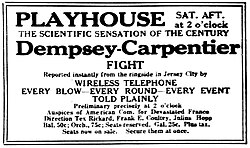
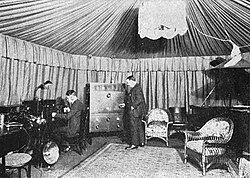
RCA did not just build hardware; it built the platforms that used it. In 1926, the company established the National Broadcasting Company (NBC), creating the first nationwide radio network. This move solidified RCA's control over both the means of production (the radios) and the content (the broadcasts).
The Shift to Television
As radio matured, RCA pivoted toward the next frontier: television. The company pioneered both black-and-white and color television technology. By April 1939, RCA-NBC began regular experimental television broadcasting via station W2XBS in New York City.
![RCA ad for the beginning, in April 1939, of regular experimental television broadcasting by RCA-NBC over New York City station W2XBS (forerunner of today's WNBC/4), for "an hour at a time, twice a week."[41]](/images/1d/44/1d44d7fdfa4ca084ef0ea8ad5478aeea8472cb5ec97946fb3e9db7cf50534e02.jpg)
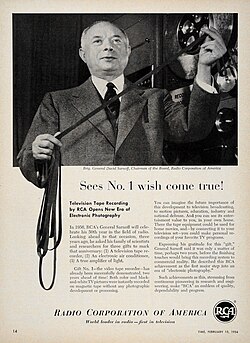
The company continued to innovate in the field of video recording, with David Sarnoff debuting the first RCA videotape recorder in 1954, followed by the professional 2-inch color recorder-reproducer used in studios through the early 1980s.
![RCA Television Quad head 2-inch color recorder-reproducer used at broadcast studios from the late-1960s to the early 1980s[46]](/images/56/6c/566cb29a5b0ead11743b59d3d7faee6f5a13b4fa30d2d54f251472d9b3e9d7fb.jpg)
Consumer Electronics and Diversification
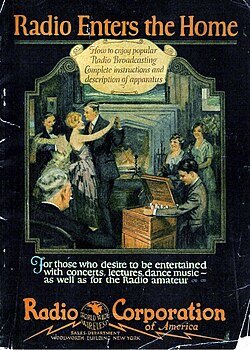
RCA's influence extended into the living room through the RCA Victor division. By acquiring the Victor Talking Machine Company in 1929, RCA became a leader in phonographs and records, utilizing the famous "Victrola" brand.
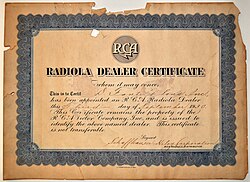
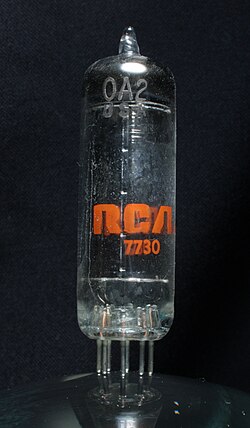
The company also dominated the components market, producing essential vacuum tubes (electronic devices that control electron flow) and voltage regulators that powered the electronics of the era.
The Conglomerate Phase
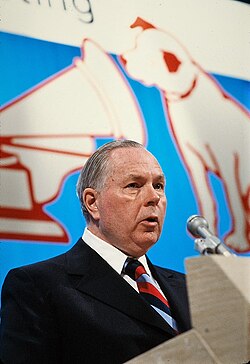
By the late 1960s and 1970s, under Robert Sarnoff, RCA attempted to diversify into a multinational conglomerate. The company moved away from mainframe computers in 1971 and acquired a disparate array of businesses, including Hertz rental cars, Banquet frozen foods, Random House publishing, and Gibson greeting cards.
The Final Chapter: Re-acquisition and Breakup
The diversification strategy led to financial instability. In December 1985, General Electric announced it would reacquire RCA for $6.28 billion in cash—the largest non-oil company merger of its time. The deal was completed in June 1986.
GE's primary interest was not in maintaining RCA as a whole, but in acquiring the NBC network and defense contracts. Consequently, GE began selling off RCA's assets: RCA Records was sold to Bertelsmann, the radio network went to Westwood One, and the consumer electronics brand was eventually licensed to Thomson Consumer Electronics.
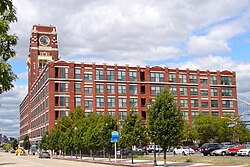
Today, RCA's legacy lives on through the collectibility of its antique radios and early television sets, such as the TRK series, which remain highly prized by historians and enthusiasts.
RCA Corporate Summary
| Category | Details |
|---|---|
| Founded | November 20, 1919 |
| Key Figures | Owen D. Young, David Sarnoff |
| Major Products | Radios, Televisions, Vacuum Tubes, Phonographs |
| Key Subsidiaries | NBC, RCA Victor, RCA Records |
| Fate | Acquired by General Electric (1986) |
Frequently Asked Questions
What was RCA's role in the creation of NBC?
RCA founded the National Broadcasting Company (NBC) in 1926 to create the first nationwide radio network, allowing the company to control both the broadcasting content and the hardware used to receive it.
Why did RCA diversify into non-electronic businesses?
Under Robert Sarnoff in the 1960s and 70s, the company sought to become a multinational conglomerate to reduce reliance on the electronics market, leading to the acquisition of companies like Hertz and Random House.
How did RCA contribute to the development of television?
RCA was a pioneer in both black-and-white and color television, launching experimental broadcasts in 1939 and developing early professional videotape recording technology.
What happened to the RCA brand after GE bought the company?
General Electric broke up the company, selling off most assets. The rights to manufacture consumer electronics under the RCA brand were acquired by Thomson Consumer Electronics in 1988.
What is the significance of the "superheterodyne receiver"?
RCA was the exclusive manufacturer of the first superheterodyne receiver, a critical innovation in radio technology that significantly improved the ability of receivers to tune into specific frequencies with clarity.