The Tonight Show Starring Johnny Carson: A Late-Night Legacy
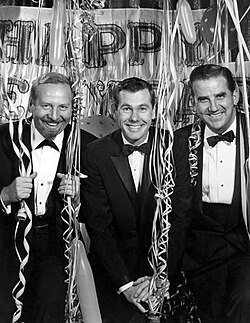
For three decades, The Tonight Show Starring Johnny Carson served as the gold standard of American late-night television. Airing on NBC from October 1, 1962, to May 22, 1992, the program transformed the late-night variety format into a cultural institution. Hosted by the charismatic Johnny Carson, the show became a launchpad for comedians and a nightly ritual for millions of viewers.
The show was the third iteration of The Tonight Show franchise, succeeding Tonight Starring Jack Paar. Carson brought a unique blend of wit and timing to the role, supported by his longtime sidekick and announcer, Ed McMahon, and the melodic sounds of the NBC Orchestra.
Key Facts
- Duration: Aired for 30 seasons from 1962 to 1992.
- Episode Count: Produced a total of 6,714 episodes.
- Locations: Based in New York City (1962–1973) before moving permanently to Burbank, California.
- Sidekick: Ed McMahon served as the announcer and Carson's primary comedic foil.
- Financial Impact: By the mid-1970s, it was NBC's most profitable show, earning $50 to $60 million annually.
Production and Evolution
The show's production journey began at the RCA Building in New York City. However, on May 1, 1972, the production shifted its main venue to NBC Studios in Burbank, California. By May 1973, the move was permanent, marking a new era for the program's logistics and atmosphere.
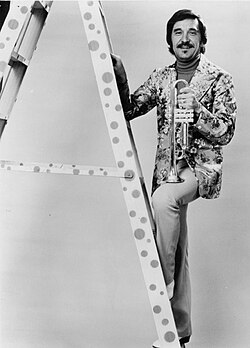
The musical identity of the show was defined by the NBC Orchestra. While Skitch Henderson led the band from 1962 to 1966, followed briefly by Milton Delugg, it was Doc Severinsen who became the definitive bandleader, holding the position from 1967 until the show's finale in 1992.
The Writing Room
The show's sharp humor was the result of a structured writing staff. Dick Cavett served as the original head writer, followed by Marshall Brickman, who took the helm at age 25 in 1964. Later, Hank Bradford led the staff from 1970 to 1975. Interestingly, the head writer managed all material except for the nightly monologues, which were handled by the rest of the writing team.
Format and Recurring Comedy
Carson was known for his versatility, blending high-profile interviews with absurdist comedy. He often stepped into comedic personas, most notably Carnac the Magnificent, a psychic character introduced in 1964 who provided a recurring source of laughter.
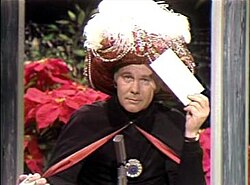
The show also featured various "bits" and sketches. Some were based on specific prompts, such as the "Baja" or "Ben-Gay" segments, while others were guest-driven, such as the singing of "My Dead Dog Rover" by Doc Severinsen—a bit later revived by David Letterman.
The 1979–1980 Contract Battle
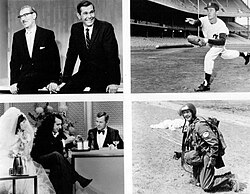
One of the most significant moments in the show's business history was the 1979 legal dispute between Carson and NBC. Carson claimed he was a free agent based on California law, which limited certain contracts to seven years. While the case was settled out of court, the friction led to a landmark agreement in 1980.
The new deal granted Carson ownership of the show and its back catalog, a salary of $25 million per year, and a reduced workload. Most notably, Carson insisted the show be shortened from 90 minutes to 60 minutes to ensure a faster pace and a more diverse selection of guests.
Guest Hosts and Successors
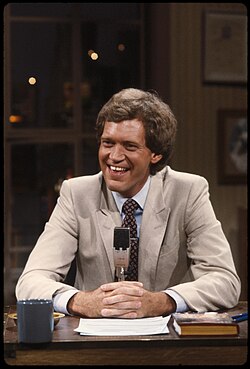
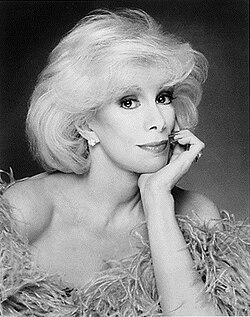
During Carson's vacations, the show utilized guest hosts. Some became staples of the program, with Jay Leno guest-hosting a record 333 times. Other frequent hosts included Joan Rivers (201 times) and Joey Bishop (177 times). David Letterman also guest-hosted 51 times before launching his own NBC show in 1982.
Joan Rivers' tenure was particularly historic; on July 26, 1984, her episode became the first MTS stereo broadcast in American television history.
The Final Curtain
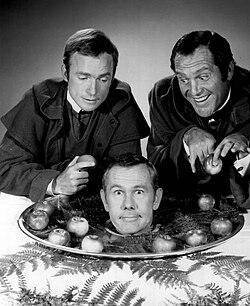
Johnny Carson retired on May 22, 1992, handing the reins to Jay Leno. Even after his retirement, Carson's influence persisted; he famously faxed jokes to David Letterman, some of which were used in a tribute monologue following Carson's death in 2005.
Show Summary
| Category | Details |
|---|---|
| Network | NBC |
| Air Dates | October 1, 1962 – May 22, 1992 |
| Total Episodes | 6,714 |
| Key Personnel | Johnny Carson (Host), Ed McMahon (Announcer) |
| Primary Locations | New York City, Burbank (California) |
| Theme Song | "Johnny's Theme" by Paul Anka |
Frequently Asked Questions
Why are many early episodes of the show missing?
Only 33 complete episodes from before May 1, 1972, are known to exist. Carson initially believed the tapes had no real value, and NBC eventually erased or discarded them to free up storage space during the move to Burbank.
Who replaced Johnny Carson as host?
Johnny Carson was replaced by Jay Leno when the show transitioned in May 1992.
What was the significance of the 1980 contract change?
The contract change gave Carson ownership of the show and its catalog, increased his pay to $25 million annually, and reduced the show's length from 90 minutes to 60 minutes for a faster pace.
Who was the longest-serving bandleader?
Doc Severinsen was the longest-serving bandleader, leading the NBC Orchestra from 1967 until the show ended in 1992.
Which guest host appeared the most often?
Jay Leno was the most frequent guest host, appearing 333 times between 1986 and 1992.