Rain Shadow Effects: How Mountains Shape Global Climates
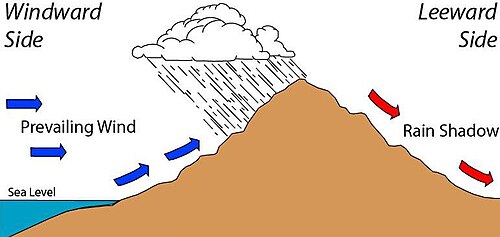
Have you ever wondered why one side of a mountain range is a lush, green rainforest while the other side is a parched desert? This dramatic climatic contrast is caused by a phenomenon known as a rain shadow. A rain shadow is an area of significantly reduced rainfall located on the side of a mountain range facing away from prevailing winds, a region scientifically referred to as the leeward side.
By understanding the mechanics of how air moves over high terrain, we can explain the existence of some of the world's most extreme environments, from the sweeping Sahara Desert to the verdant valleys of New Zealand.
The Science of Orographic Lifting
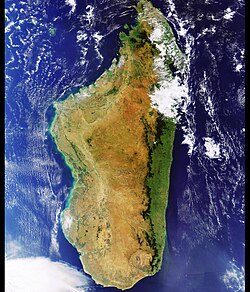
The process begins when moisture-laden air, often evaporated from oceans or large lakes, is pushed inland by prevailing winds. As this air encounters an elevated landform, it is forced to rise. This process is known as orographic lifting.
As the air rises toward the mountain peak, it experiences a decrease in atmospheric pressure. This causes the air to expand and undergo adiabatic cooling—a process where the temperature drops as the air expands. When the air reaches its adiabatic dew point, the moisture within it condenses into clouds, resulting in orographic precipitation (rain or snow) on the windward side (the rainward side) of the mountain.
By the time the air reaches the summit, much of its humidity has been lost to precipitation. As the now-dry air descends the leeward side, it is compressed and heated through adiabatic compression. This warming effect can create Foehn winds, which are warm, dry winds that further absorb moisture from the landscape, casting a broad "shadow" of arid conditions behind the mountain crests. These regions typically manifest as shrub-steppes, xeric shrublands, or true deserts.
Global Examples of Rain Shadows
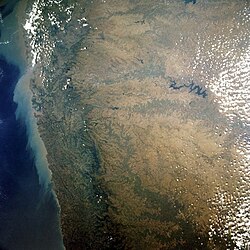
Rain shadows are influenced by global wind patterns, such as the trade winds (found between 30° N and 30° S) and the westerlies (found in the middle latitudes). These winds interact with mountain ranges across every continent to create distinct microclimates.
Africa and Asia
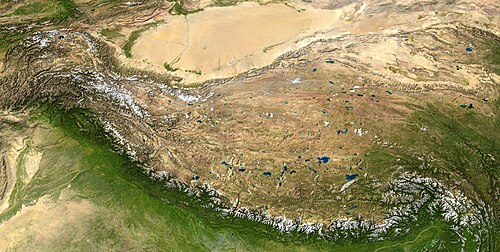
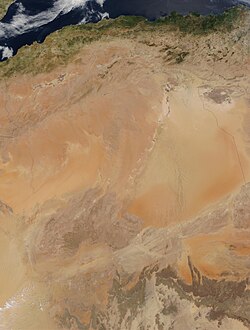
In Northern Africa, the Atlas Mountains play a critical role in maintaining the aridity of the Sahara. While the windward side receives moisture from the Atlantic, the leeward side experiences descending, warming air that prevents cloud formation. Similarly, in Southern Asia, the Himalayas create a massive rain shadow that contributes to the desertification of the Tarim Basin.
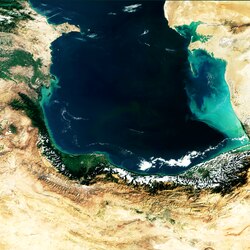
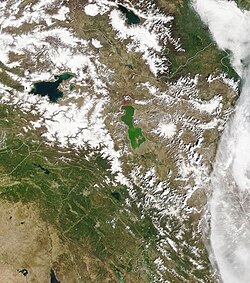
In Western Asia, the Zagros Mountains shadow regions like Lake Urmia, while the Alborz mountains in northern Iran contribute to the country's predominantly semi-arid climate.
Europe and the Mediterranean
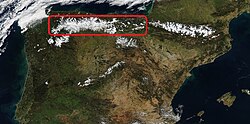
Europe features several notable rain shadow zones. The Scandinavian Mountains prevent oceanic climates from penetrating deep into the east, leaving areas like Oslo significantly drier than coastal Bergen. In Southern Europe, the Cantabrian Mountains divide "Green Spain" from the dry central plateau, while the mountains in the Iberian Peninsula contribute to the extreme aridity of Almería and Murcia.
In Italy, the Apennines create significant precipitation gaps; for example, the Mediterranean city of La Spezia receives roughly twice the rainfall of the Adriatic city of Rimini.
The Americas and Oceania
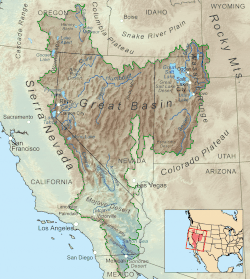
In North America, the Cascade Range, the Sierra Nevada, and the California Coast Ranges work together to create significant rain shadows for inland deserts. In the Pacific Northwest, the Olympic Mountains create a shadow that affects the Dungeness Valley and parts of British Columbia.
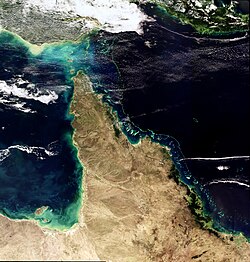
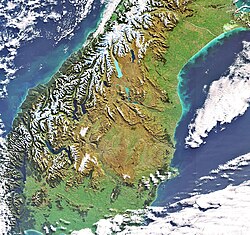
Oceania also experiences intense rain shadow effects. The Southern Alps in New Zealand intercept moisture from the Tasman Sea, creating lush glaciers on the west and much drier conditions on the east. In Australia, the Great Dividing Range and the Darling Range influence rainfall patterns across the continent, creating dry pockets in the Wheatbelt and the Tablelands Region.
Summary of Notable Rain Shadow Regions
| Region/Mountain Range | Windward Side Characteristic | Leeward Side Characteristic |
|---|---|---|
| Atlas Mountains (Africa) | Moist Atlantic winds | Arid Sahara Desert |
| Scandinavian Mountains (Europe) | High precipitation (e.g., Bergen) | Lower precipitation (e.g., Oslo) |
| Southern Alps (New Zealand) | High rainfall and glaciers | Dry eastern plains |
| Olympic Mountains (North America) | High rainfall (e.g., Aberdeen) | Dryer valleys (e.g., Sequim) |
| Atherton Tableland (Australia) | High rainfall (e.g., Tully) | Dry Tablelands (e.g., Mareeba) |
Key Facts
- Windward Side: The side of a mountain that receives the most precipitation as air is forced upward.
- Leeward Side: The side of a mountain sheltered from the wind, characterized by much lower rainfall.
- Orographic Lifting: The process of air being forced to rise over mountain terrain.
- Adiabatic Cooling: The cooling of air as it expands due to decreasing pressure at higher altitudes.
- Foehn Winds: Warm, dry winds that descend the leeward side of a mountain range.
Frequently Asked Questions
What is the main cause of a rain shadow?
The main cause is orographic lifting, where mountains force moist air to rise, cool, and release its moisture as precipitation on the windward side, leaving the air dry as it descends the leeward side.
How do Foehn winds affect the climate?
Foehn winds are warm, dry winds that descend the leeward side of mountains. They increase the air's ability to absorb moisture, which helps maintain arid or desert-like conditions in the rain shadow.
Is a rain shadow always a desert?
Not necessarily. While many rain shadows result in deserts or xeric shrublands, they can also result in semi-arid climates, shrub-steppes, or even areas with moderate rainfall depending on the amount of moisture lost.
Why does the air get warmer on the leeward side?
As the dry air descends the mountain, it is compressed by increasing atmospheric pressure. This compression causes the air to heat up, a process known as adiabatic compression.
Can wind direction change a rain shadow?
Yes. Rain shadows are dependent on prevailing winds. For example, in the Colorado Front Range, the rain shadow effect primarily applies to storms traveling from west to east.