Race Records: The History of African American Commercial Music
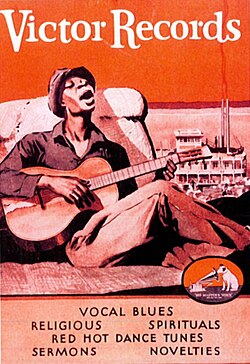
Between the 1920s and 1940s, a specific category of 78-rpm phonograph records emerged, marketed specifically to African American audiences. Known as race records, these discs captured a wide array of African American musical expression, including blues, jazz, gospel, rhythm and blues, and comedy. For decades, these recordings represented the vast majority of commercial opportunities for Black artists in the United States, as very few were marketed to white audiences during this era.
The industry was driven by major labels such as Okeh Records, Emerson Records, Vocalion Records, the Victor Talking Machine Company, and Paramount Records. This era of recording not only preserved early 20th-century Black culture but also laid the groundwork for the modern music charts we recognize today.
Key Facts
- Definition: Records marketed to African Americans from the 1920s to the 1940s.
- Key Genres: Primarily blues, jazz, gospel, and early rhythm and blues.
- Pioneering Artist: Mamie Smith's 1920 recording "Crazy Blues" sparked the commercial boom.
- Industry Shift: The term "race records" was replaced by "rhythm and blues" (R&B) in 1949.
- Independent Innovation: Black Swan Records was the first major Black-owned label, founded in 1921.
The Rise of the Race Record Industry
At the dawn of the 20th century, phonographs were luxury items that most African Americans could not afford. As costs declined, record players became more accessible, often sold through furniture stores. However, due to systemic segregation, the shopping experiences and the music available to Black and white consumers remained strictly divided.
Early Commercial Efforts
Before the 1920s, mainstream records targeted urban, middle-class white Americans. While there were exceptions—such as whistler George W. Johnson in 1890 and Broadway stars Bert Williams and George Walker in 1901—Black artists were rarely properly compensated or acknowledged. Most were hired on a per-record basis, leaving them with no long-term job security.
The Mamie Smith Breakthrough
The trajectory of the industry changed in 1920. Composer Perry Bradford convinced Fred Hager of Okeh Records to record Mamie Smith, an artist who did not fit the traditional mold of white popular music. Her recording of "Crazy Blues" and "It's Right Here for You" sold 75,000 copies in its first month, primarily to Black buyers. This unexpected success prompted Okeh and other labels, including Columbia (1921), Paramount (1922), and Vocalion (mid-1920s), to aggressively pursue the "race records" market.
Terminology and Cultural Context
The term "race records" was coined by Okeh Records in 1922. While it may seem derogatory today, the term reflected the language of the time. The African American press frequently used "the Race" to refer to Black people collectively, and terms like "race man" or "race woman" were used to describe individuals who showed pride in their culture.
From Harlem Hit Parade to R&B
As the industry evolved, the terminology shifted to reflect changing social dynamics. In 1942, Billboard introduced the "Harlem Hit Parade" to track popular records in Harlem. Between 1945 and 1949, this evolved into the "Race Records" chart. Finally, in June 1949, journalist Jerry Wexler suggested the term rhythm and blues, which he felt was more appropriate for "enlightened times."
Marketing and Exploitation
To compete with the rise of radio in the late 1920s, labels used targeted advertising in publications like the Chicago Defender. These ads often appealed to the shared experiences of African Americans, particularly those who had migrated North and wished to stay connected to their Southern roots.
Many companies employed field scouts to travel to Southern states, recording artists in one-time deals. While these "field recordings" were marketed as genuine, spontaneous encounters, they were typically arranged. Historians debate the motivations behind this marketing; some argue it was pure profit-seeking based on low production costs, while others suggest it was a method of maintaining racial segregation through segregated catalog lists.
Black Swan Records: A Challenge to the Status Quo
In 1921, businessman Harry Pace founded Black Swan Records to integrate the Black community into the music industry. Unlike white-owned labels, Black Swan paid fair wages and allowed artists to use their real names. Pace expanded the label's scope beyond blues and jazz to include classical music, opera, and spirituals, aiming to showcase the full breadth of African American cultural achievement.
Despite facing threats from white competitors, Black Swan became a symbol of economic possibility for Black Americans. The company was eventually purchased by Paramount Records in 1924.
The Decline and Transition
The Great Depression devastated the race record market, leaving many musicians unemployed. As the public shifted toward radio, Black artists were largely excluded from the airwaves. Commercial networks like NBC and CBS often hired white singers to record "cover versions" of Black music, further marginalizing the original creators.
It was not until after World War II that rhythm and blues gained a significant foothold on the radio, eventually evolving into the Soul and Black charts of the later 20th century.
| Period | Primary Terminology | Key Market Drivers | Major Labels |
|---|---|---|---|
| 1920s - 1940s | Race Records | 78-rpm records, Field recordings | Okeh, Paramount, Vocalion, Victor |
| 1921 - 1924 | Black Swan (Independent) | Cultural advancement, Fair wages | Black Swan Records |
| 1942 - 1949 | Harlem Hit Parade $\rightarrow$ Race Records | Billboard charts, Jukebox plays | Various Major Labels |
| 1949 - Present | Rhythm and Blues (R&B) | Radio airplay, Modern charts | Industry-wide transition |
Frequently Asked Questions
What exactly were race records?
Race records were 78-rpm phonograph records produced between the 1920s and 1940s and marketed specifically to African American consumers. They featured genres such as blues, jazz, gospel, and comedy.
Who was the first Black artist to record commercially?
George W. Johnson, a whistler, is widely believed to be the first Black artist to record commercially, doing so in 1890.
Why was Mamie Smith important to the industry?
Mamie Smith's 1920 recording of "Crazy Blues" proved there was a massive commercial market for Black music, selling 75,000 copies in one month and prompting major labels to create "race" series.
How did Black Swan Records differ from other labels?
Founded by Harry Pace, Black Swan was Black-owned, paid artists fair wages, allowed them to use their real names, and recorded a wider variety of genres, including classical and opera.
Why did the term "race records" disappear?
The term was replaced in 1949 by "rhythm and blues" at the suggestion of Billboard journalist Jerry Wexler, who felt the new label was more appropriate for the era.
What caused the decline of the race record market?
The Great Depression caused a financial collapse in the market, and the rise of radio further marginalized Black artists, as networks often preferred white singers covering Black songs.