Queensland Museum: Preserving the Natural and Cultural Heritage of the State
The Queensland Museum serves as the premier state institution dedicated to the preservation of natural history, science, and human achievement. Funded by the Queensland Government and operating under the Queensland Museum Act 1970, the museum acts as a custodian for more than 15.2 million items. Its vast collection spans the state's diverse biological landscape and its rich cultural tapestry, including the heritage of Aboriginal, Torres Strait Islander, and Pacific Indigenous cultures.
Key Facts
- Established: 20 January 1862.
- Total Collection: Over 15.2 million items.
- Annual Visitors: 2 million+ (as of 2019).
- Main Site: QM Kurilpa, South Brisbane.
- Specialist Sites: Rail Workshops (Ipswich), Cobb+Co (Toowoomba), and Tropics (Townsville).
A Journey Through History
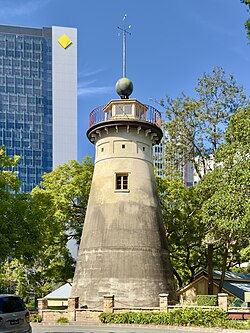
Founded by the Queensland Philosophical Society, with Charles Coxen as a principal founder, the museum spent its early decades in a series of temporary Brisbane locations. From 1862 to 1869, it was housed in The Old Windmill, followed by stints at Parliament House and the General Post Office. By 1875, the museum had already become a popular attraction, drawing over 25,500 visitors to its 6,027 exhibits across zoological, mineralogical, and artistic displays.
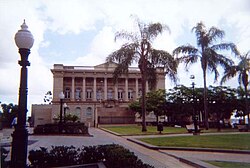
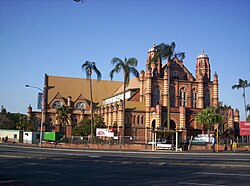
The institution eventually moved into a purpose-built home in William Street in 1879, where it remained for 20 years. In 1899, it transitioned to the Exhibition Hall in Bowen Hills, a location it would call home for 86 years.
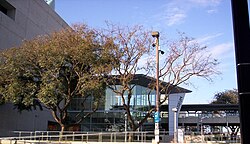
In 1986, the museum moved to its current location within the Queensland Cultural Centre at South Bank. This modern hub is connected to the Queensland Art Gallery and the Queensland Performing Arts Centre via a tunnel and a pedestrian bridge. To improve accessibility, lifts connecting the bridge to the Cultural Centre busway station were added in 2004.
The Queensland Museum Network
While the headquarters are in South Brisbane, the museum operates a network of specialist sites across the state to highlight regional history and science.
QM Kurilpa (South Brisbane)
Renamed in 2023, Kurilpa is the heart of the network. It features several permanent galleries, including the Wild State and Discovery Centre galleries, SparkLab, and the Dinosaurs Unearthed: Explore: Prehistoric Queensland gallery. A highlight of the Anzac Legacy Gallery is "Mephisto," the world's only surviving A7V Sturmpanzerwagen tank from World War I.
Specialist Regional Museums
- Rail Workshops (North Ipswich): Added in 2002, this site explores the evolution of Queensland Rail with over 17,000 items.
- Cobb+Co (East Toowoomba): Established in 1986, this site houses the National Carriage Collection, featuring nearly 50 horse-drawn vehicles.
- Tropics (Townsville City): Also established in 1986, this museum focuses on Northern Queensland's environments and maritime heritage, specifically the wreck of the HMS Pandora (1791).
Additionally, the museum maintains a separate collections and research centre at Hendra and acts as the custodian for the Museum of Lands, Mapping and Surveying in Brisbane.
| Site Name | Location | Primary Focus | Established/Joined |
|---|---|---|---|
| QM Kurilpa | South Brisbane | Natural History, Science, Anzac Legacy | 1986 |
| Rail Workshops | North Ipswich | Queensland Rail Evolution | 2002 |
| Cobb+Co | East Toowoomba | National Carriage Collection | 1986 |
| Tropics | Townsville | Northern Cultures & Maritime Heritage | 1986 |
Exhibitions and Global Outreach
The Queensland Museum is a hub for international cultural exchange. It holds the exclusive Asia Pacific license to host the World Science Festival, which debuted in Brisbane in 2016. The museum also hosts high-profile rotating exhibitions, such as "Afghanistan: Hidden Treasures" (2013–2014), "Mummy: Secrets of the Tomb" (2012), and the upcoming "Discovering Ancient Egypt" (2024–2025).
Ethics and Repatriation
Since the 1970s, the museum has been engaged in a program of repatriation—the process of returning ancestral remains and cultural property to their original owners. This initiative focuses on Indigenous Australians whose remains were collected between 1870 and 1970. As of November 2018, the museum held the remains of 660 Aboriginal and Torres Strait Islander people in a dedicated secret sacred room at the Kurilpa site.
Frequently Asked Questions
What is the significance of the Queensland Museum Medal?
Created in 1987, the medal recognizes individuals who have made major contributions to research and related works. Notable recipients include Sir David Attenborough and Steve Irwin.
What is "Mephisto"?
Mephisto is a World War I A7V Sturmpanzerwagen tank and is the only surviving example of its kind in the world, housed in the Anzac Legacy Gallery.
Where can I see the National Carriage Collection?
The National Carriage Collection, featuring nearly 50 horse-drawn vehicles and stagecoaches, is located at the Queensland Museum Cobb+Co in East Toowoomba.
How many items are in the Queensland Museum's collection?
The museum has custody of over 15.2 million items relating to the natural and cultural heritage of the state.
What is the World Science Festival Brisbane?
It is an annual event held every March, based at QM Kurilpa, for which the Queensland Museum Network holds the exclusive Asia Pacific license.