Quebec: A Comprehensive Overview of Canada's Vibrant Province
Quebec stands as a unique and essential pillar of Canada, distinguished by its rich history, French-speaking heritage, and vast, diverse landscapes. As the second-largest province by both land area and population, it offers a complex tapestry of cultural identity, economic strength, and natural beauty that stretches from the urban centers of Montreal and Quebec City to the remote reaches of the northern tundra.
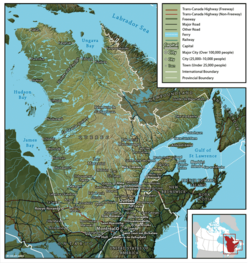
Key Facts
- Capital: Quebec City
- Largest City: Montreal
- Official Language: French
- Motto: "Je me souviens" (I remember)
- Total Area: 1,542,057 km²
- Population: Approximately 8.5 million (2021 census)
- Government Type: Parliamentary constitutional monarchy
Historical Evolution
![The Battle of Saint-Eustache was the final battle of the Lower Canada Rebellion.[62]](/images/f2/59/f2590a018a69369e7d6256ff8c289266eb6b31191ecc0a0ffc935d8d145c74f2.jpg)
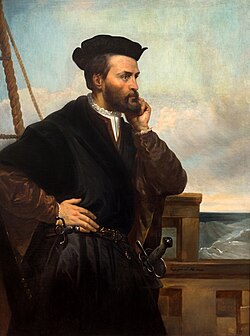
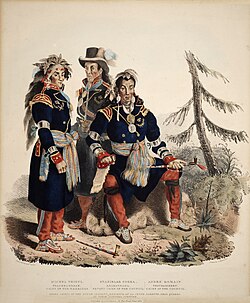
The history of Quebec is a saga of exploration, conflict, and transformation. Long before European arrival, the land was inhabited by various Indigenous peoples. Following European expeditions, the region became the heart of New France between 1608 and 1763.
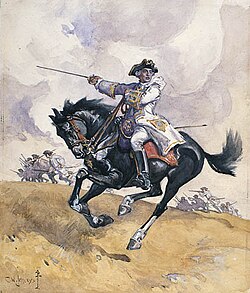
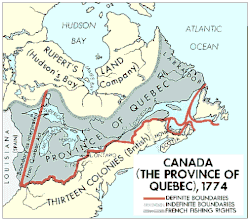
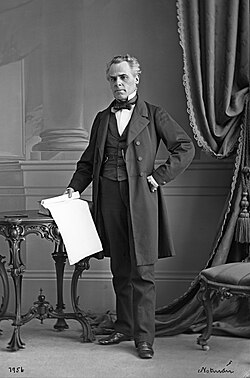
The transition from French to British rule marked a significant turning point in the 18th century. The territory underwent several administrative shifts, moving from the Province of Quebec to Lower Canada, and eventually to Canada East before joining the Canadian Confederation on July 1, 1867. This period was marked by significant political movements, including the Patriots' War and the eventual formation of the modern province.
Modern Quebec and the Quiet Revolution
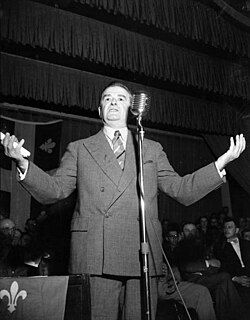
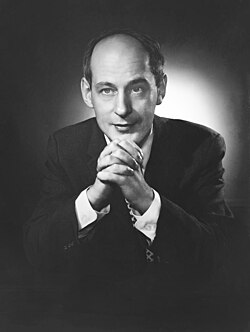
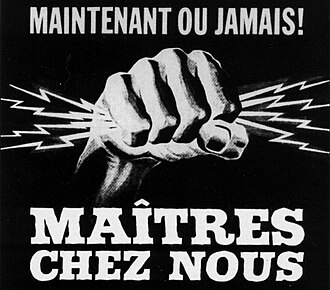
The mid-20th century brought about the Quiet Revolution, a period of intense social and political change that modernized the province's institutions. This era saw a shift in identity and a strengthening of the role of the state in social and economic life.
Geography and Climate
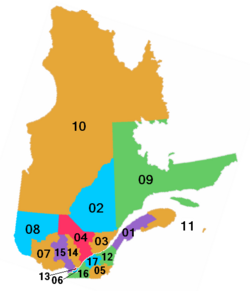
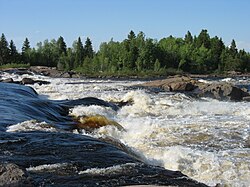
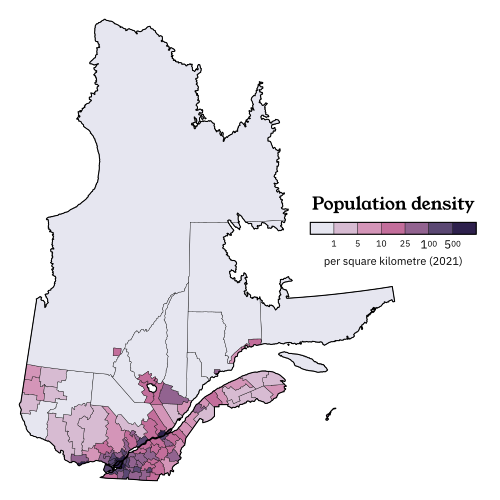
Quebec is a land of immense geographic variety. Its territory is divided into 17 administrative regions, ranging from the urbanized south to the vast, rugged north. The landscape includes massive river systems, mountain ranges, and diverse forest ecosystems.
Diverse Ecosystems and Landscapes
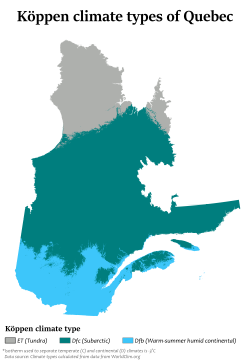
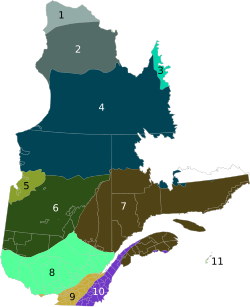
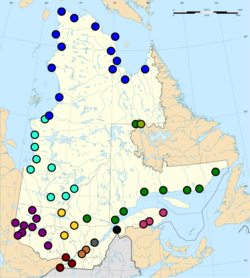
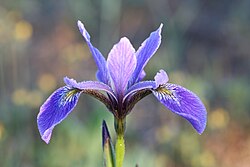
The province's flora and fauna are shaped by its varied Köppen climate types. From the southern forests to the northern tundra, the biological diversity is striking. The forest areas alone encompass everything from the Eastern Canadian Forests to the Middle Arctic Tundra.
Demographics and Culture
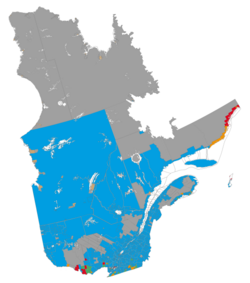
Quebec is defined by its linguistic identity, with French serving as the official language. This cultural cornerstone influences everything from the legal system to the arts. While the majority of the population is Francophone, the province is home to diverse religious and linguistic communities.
Religion and Society
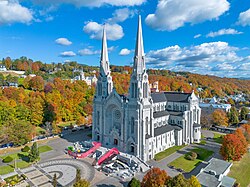
According to the 2021 census, Christianity remains the most cited religion (64.8%), though there is a significant population that identifies as having no religion (27.3%). Other faiths, including Islam, Judaism, Buddhism, and Hinduism, contribute to the province's multicultural fabric.
Arts, Cuisine, and Traditions
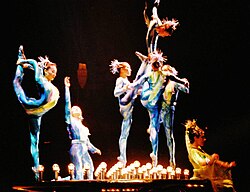
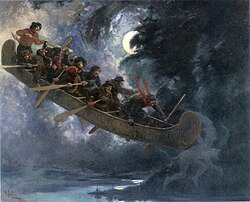
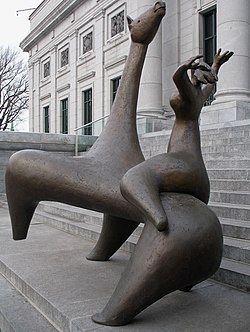
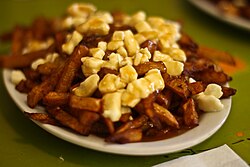
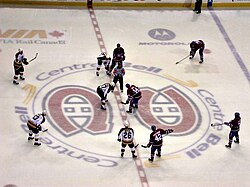
The cultural life of Quebec is vibrant, expressed through world-class performing arts, unique architecture, and iconic cuisine. From the legendary folk tales of La chasse-galerie to the global success of Cirque du Soleil, Quebec's creativity is a major export.
Economy and Infrastructure
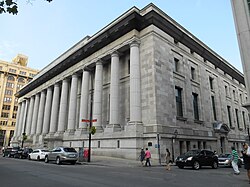
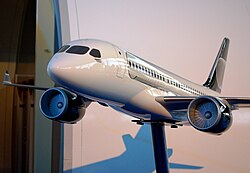
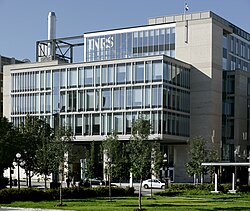
Quebec possesses a highly developed economy with significant contributions from the primary, secondary, and tertiary sectors. It is a leader in sectors such as aerospace, hydroelectricity, and scientific research.
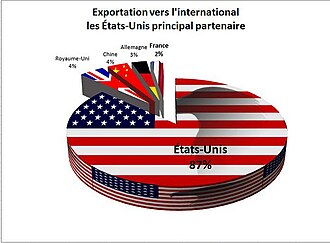
Key Economic Indicators
| Indicator | Value/Detail |
|---|---|
| GDP (2022) | C$552.737 billion |
| GDP Per Capita (2022) | C$63,651 |
| Human Development Index (2023) | 0.945 (Very High) |
| Major Export Partner | United States |
Frequently Asked Questions
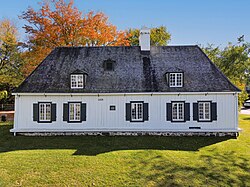
![Johan Beetz House,[359] a Second Empire-inspired rural residence at Baie-Johan-Beetz, Minganie](/images/15/02/150246395653c30b6fdf5675ebf1199b6e58adabfc2813ce146a833f87085a8a.jpg)
What is the official language of Quebec?
The official language of Quebec is French.
What are the main cities in Quebec?
Quebec City is the provincial capital, while Montreal is the largest city and its largest metropolitan area.
How is Quebec's territory organized?
The province is divided into 17 administrative regions, 36 judicial districts, and 125 electoral districts.
What is the primary source of electricity in Quebec?
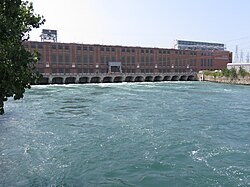
Quebec utilizes significant hydroelectric power, operated by entities such as Hydro-Québec.
What is the motto of Quebec?
The motto is "Je me souviens," which translates to "I remember."