The Vast World of Global Punctuation and Typographic Marks
Punctuation is often viewed through the narrow lens of the standard period, comma, and question mark used in English. However, the history of writing and the diversity of global languages reveal a much more complex and colorful landscape. From the specialized shorthand of the past to the intricate symbols used in modern digital encoding, punctuation marks serve as the essential architecture of human communication.
In his 19th-century manual of typography, Thomas MacKellar explored the nuances of these marks, highlighting how different scripts and linguistic traditions require unique tools to convey meaning, rhythm, and structure.
Key Facts
- Punctuation marks are categorized into different functional groups, such as Marks and Po (Punctuation, other).
- Unicode provides specific hex codes (e.g., U+0021) to standardize these symbols across digital platforms.
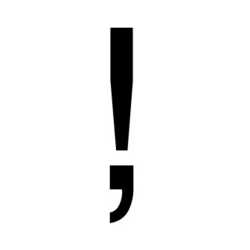
- Different cultures use specialized symbols, such as the Armenian Question Mark or the Tibetan Mark Shad.
- Historical systems like Tironian notes once utilized a massive repertoire of approximately 4,000 shorthand signs.
Understanding Unicode Classifications
In modern computing, punctuation is organized via the Unicode Standard. This ensures that a symbol used in a specific language—whether it is a specialized quotation mark or a unique section divider—is rendered correctly on any device. Two primary categories mentioned in typographic data include:
Marks
This category includes a wide array of symbols used for structural or decorative purposes. It encompasses various types of dashes (such as the hyphen U+002D and the em dash U+2014), diverse quotation marks (including single, double, and high-reversed versions), and various bracket styles used to enclose text.
Po (Punctuation, Other)
The "Po" category is a broad classification for punctuation that does not fit into standard categories like connectors or separators. This includes essential symbols like the Exclamation Mark (U+0021) and the Question Mark (U+003F), as well as highly specialized regional marks such as the Philippine Double Punctuation or the Arabic Triple Dot Punctuation Mark.
A Global Survey of Symbols
The diversity of punctuation reflects the unique needs of different writing systems. Below is a summary of some notable marks and their classifications found in typographic records.
| Symbol Name/Type | Unicode Reference | General Category |
|---|---|---|
| Exclamation Mark | U+0021 | Po, other |
| Question Mark | U+003F | Po, other |
| Left Single Quotation Mark | U+2018 | Mark |
| Armenian Question Mark | U+055E | Po, other |
| Tibetan Mark Shad | U+0F0C | Po, other |
| Ethiopic Question Mark | U+1367 | Po, other |
| Brahmi Punctuation Dot | U+11049 | Po, other |
Specialized and Historical Systems
Beyond standard sentence endings, many scripts utilize marks to denote specific structural breaks or repetitions. For example, the Ethiopic Section Mark and the Chakma Question Mark provide necessary clarity within their respective linguistic contexts.
Historically, the complexity of written communication reached extreme levels. The Tironian notes represent a significant milestone in the history of shorthand. This system was incredibly dense, consisting of roughly 4,000 distinct signs designed to allow for rapid transcription of spoken word.
Frequently Asked Questions
What is the difference between a Mark and Po punctuation?
In typographic and Unicode contexts, Marks often refer to symbols used for specific structural or decorative purposes (like dashes and brackets), while Po (Punctuation, other) is a broader category for various punctuation symbols that do not fall into other specific functional groups.
Why are there so many different types of quotation marks?
Different languages and typographic traditions use various styles of quotation marks—such as single, double, high-reversed, or low-9 marks—to follow specific grammatical rules and aesthetic standards unique to that culture.
What are Tironian notes?
Tironian notes were an ancient system of shorthand that utilized approximately 4,000 different signs to facilitate faster writing.
How does Unicode help with different languages?
Unicode assigns a unique number (a code point) to every character and punctuation mark, ensuring that specialized symbols like the Mandaic Punctuation Dot or Soyombo Terminal Mark can be accurately shared and displayed globally.
Are there specific marks for different scripts?
Yes. Many scripts have dedicated punctuation, such as the Armenian Exclamation Mark for Armenian text or the Tibetan Mark Paluta for Tibetan text.