Public Masses and the COVID-19 Pandemic
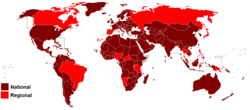
The onset of the COVID-19 pandemic in early 2020 triggered an unprecedented shift in how the Catholic Church conducted its liturgical services. As governments implemented lockdowns to curb the spread of the virus, the traditional gathering of the faithful for public Masses—the central act of worship in the Catholic faith—faced widespread suspensions across the globe.
The Situation in Italy and Vatican City
The suspension of public services began in Italy during late February 2020, specifically within the Archdioceses of Milan and Venice. By March 8, these restrictions were extended across the entire Italian peninsula, including Vatican City. To provide spiritual leadership and a model for other parishes unable to meet, Pope Francis began livestreaming daily Mass from his residence at Domus Sanctae Marthae on March 9.
On March 27, during the peak of the outbreak in Italy, Pope Francis delivered a special Urbi et Orbi blessing (a papal address to the city and the world). Typically reserved for Christmas and Easter, this blessing was imparted from a deserted Saint Peter's Square. The service included a prayer for global health and featured a crucifix from San Marcello al Corso, a relic associated with the plague cure of 1522. The event concluded with the Benediction of the Blessed Sacrament, accompanied by the sounding of sirens and church bells throughout Rome.
As the spread of the virus slowed, public Masses in Italy resumed on May 18. Pope Francis marked the return to public worship by celebrating Mass on the centenary of the birth of Pope John Paul II, which also served as his final daily livestreamed service.
Global Impact and Virtual Adaptations
The suspension of in-person attendance was not limited to Italy; cities worldwide followed suit. To maintain a connection with the faithful, many churches transitioned to virtual services, utilizing television, radio, and internet livestreaming.
The impact on traditional religious calendars was significant:
- Rome: The Vatican announced the cancellation of Holy Week celebrations, which traditionally mark the end of Lent.
- New York: The Archdiocese of New York canceled Masses but allowed churches to remain open for private prayer.
- Spain: Many cities canceled Holy Week festivities. In Seville, this marked the first time such events were canceled since 1933, resulting in the loss of traditional parades and tourism-related collections.
In response to the interruption of these religious activities, Pope Francis strongly encouraged the faithful to engage in the prayer of the Holy Rosary.
Key Facts
- First Suspensions: Began in late February 2020 in Milan and Venice.
- National Lockdown: Public Masses were suspended across Italy and Vatican City on March 8, 2020.
- Papal Response: Pope Francis began daily livestreamed Masses on March 9, 2020.
- Historic Blessing: An Urbi et Orbi blessing was given to an empty square on March 27, 2020.
- Resumption: Public Masses returned to Italy on May 18, 2020.
- Spanish Impact: Seville canceled Holy Week events for the first time since 1933.
| Location | Action Taken | Notable Detail |
|---|---|---|
| Vatican City / Italy | Suspension of public Masses | Resumed May 18, 2020 |
| Rome | Cancellation of Holy Week | Urbi et Orbi blessing given March 27 |
| New York | Masses canceled | Churches remained open for prayer |
| Seville, Spain | Holy Week festivities canceled | First cancellation since 1933 |
Frequently Asked Questions
When did public Masses first stop in Italy?
Suspensions began in late February 2020 in the Archdioceses of Milan and Venice, before expanding to the rest of the country on March 8, 2020.
How did Pope Francis maintain communication with the faithful?
Pope Francis began livestreaming daily Mass from his residence at Domus Sanctae Marthae starting March 9, 2020.
What was unique about the Urbi et Orbi blessing in March 2020?
It was delivered to an empty Saint Peter's Square and included a crucifix from San Marcello al Corso, which was used during the plague cure of 1522.
How did the pandemic affect Holy Week in Spain?
Many cities canceled festivities; notably, Seville canceled its events for the first time since 1933, affecting both tradition and tourism.
What alternative spiritual practice did Pope Francis encourage?
Due to the interruption of Catholic religious activities, Pope Francis greatly encouraged the prayer of the Holy Rosary.