Psittacosis: Causes, Symptoms, and Prevention of Parrot Fever
Psittacosis, commonly referred to as parrot fever or ornithosis, is a zoonotic infectious disease—meaning it spreads from animals to humans. It is caused by the bacterium Chlamydia psittaci. While birds serve as the primary reservoir for this pathogen, the infection can manifest in humans as anything from a mild, flu-like illness to severe pneumonia.
Because the disease involves the interaction between animal health, human health, and the shared environment, it is considered a classic One Health problem. Effective management requires a coordinated effort between veterinarians, clinicians, and public health authorities.
Key Facts
- Causative Agent: The bacterium Chlamydia psittaci.
- Primary Transmission: Inhalation of aerosolized dried droppings or respiratory secretions from infected birds.
- Common Symptoms: Fever, chills, headache, and a non-productive cough.
- First-Line Treatment: Tetracyclines, specifically doxycycline.
- High-Risk Groups: Bird breeders, poultry workers, and veterinarians.
- Avian Form: Known as avian chlamydiosis in birds.
Transmission and Reservoirs
The bacteria primarily infect psittacine birds, such as parrots, budgerigars, cockatiels, and parakeets. However, transmission has also been linked to pigeons, ducks, chickens, and turkeys. Many infected birds remain asymptomatic, meaning they show no obvious signs of illness while continuing to shed the bacteria through their feces and respiratory secretions for long periods.
Humans typically contract the disease by inhaling dust contaminated with these dried secretions. While less common, infection can also occur through bites or beak-to-mouth contact. There is no evidence that handling or eating poultry products spreads the disease, and person-to-person transmission is extremely rare.
Signs and Symptoms in Humans
The incubation period for psittacosis generally ranges from 5 to 14 days. The clinical presentation varies widely:
- Mild Cases: Asymptomatic infection or a mild influenza-like illness.
- Moderate to Severe Cases: Atypical pneumonia characterized by fever, chills, myalgia (muscle pain), and a non-productive cough. Some patients experience shortness of breath.
- Rare Complications: In severe instances, the infection can lead to endocarditis (inflammation of the heart lining), hepatitis, encephalitis, myocarditis, or respiratory failure.
Chest imaging for those with pneumonia may reveal interstitial or lobar infiltrates. While mortality is low with prompt antibiotic treatment, untreated cases can be fatal.
Psittacosis in Birds (Avian Chlamydiosis)
In the avian world, the infection is termed avian chlamydiosis. The bacteria infect the macrophages and mucosal epithelial cells of the respiratory tract, eventually leading to septicaemia (blood poisoning). The bacteria then localize in various organs, the gastrointestinal tract, and the conjunctiva.
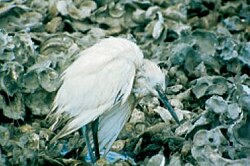
Signs in birds include watery droppings, green urates, inflamed eyes, and difficulty breathing. Many strains remain dormant until triggered by stress, which can lead to rapid deterioration and death. Birds are highly mobile vectors, spreading the infection through feathers, eggs, and droppings.
Serovars of C. psittaci
There are eight known serovars (strains) of the bacteria, all of which are transmissible to humans:
- Serovar A: Endemic to psittacine birds.
- Serovar B: Endemic to pigeons; also found in turkeys and dairy herds.
- Serovars C and D: Often occupational hazards for slaughterhouse workers.
- Serovar E: Associated with major human outbreaks in the 1920s and 30s; the specific reservoir remains unidentified.
- M56 and WC: Isolated during mammalian outbreaks.
Diagnosis and Treatment
Diagnosing psittacosis can be challenging because its symptoms mimic other forms of atypical pneumonia, and routine microbiology tests often omit C. psittaci. Diagnostic tools include:
- Serology: Testing for antibodies.
- Polymerase Chain Reaction (PCR): Detecting bacterial DNA.
- Metagenomic Next-Generation Sequencing: Used in severe or unclear cases.
For humans, doxycycline (a tetracycline) is the first-line therapy. Macrolides may be used if tetracyclines are contraindicated. Early intervention is critical for improving patient outcomes.
Prevention and Control
There is currently no human vaccine for psittacosis. Prevention focuses on hygiene and reducing exposure to contaminated dust:
- Wash hands thoroughly after handling birds or cleaning cages.
- Wet surfaces before cleaning to prevent dust from becoming airborne.
- Avoid dry sweeping or vacuuming contaminated materials.
- Use gloves and appropriate masks when handling infected birds.
To control the disease in bird populations, owners should avoid overcrowding, avoid stacking cages, isolate infected birds, and regularly clean food and water containers. According to the WOAH, there are no commercial vaccines available for poultry control.
Summary Table
| Feature | Humans | Birds (Avian Chlamydiosis) |
|---|---|---|
| Primary Symptoms | Fever, cough, atypical pneumonia | Inflamed eyes, green urates, respiratory distress |
| Transmission Route | Inhalation of aerosolized droppings | Inhalation or ingestion of droppings/eggs |
| Diagnosis | Serology, PCR, Sequencing | Antigen/Antibody tests, PCR |
| Treatment/Control | Doxycycline (Tetracyclines) | Isolation, hygiene, veterinary care |
History and Epidemiology
First documented in the 1870s, psittacosis gained scientific attention following a major pandemic in 1929–1930 linked to imported parrots. This era led to the identification of C. psittaci in the 1930s. A notable casualty of this period was Lena Rose Pepperdine, the first wife of Pepperdine University founder George Pepperdine.
While cases have declined in the United States due to better awareness and regulation of the pet trade, outbreaks still occur. For example, a 2018 multistate outbreak in the U.S. affected 13 poultry plant workers. Historically, the United States also researched the bacterium as a potential biological weapon before suspending its biological weapons program.
Frequently Asked Questions
Can I get psittacosis from eating chicken or turkey?
No. There is no evidence that psittacosis is spread by handling or eating poultry products.
Is psittacosis contagious between people?
Person-to-person transmission is documented as being very rare.
What is the most effective treatment for human psittacosis?
Tetracyclines, specifically doxycycline, are generally considered the first-line therapy for adults.
How can bird owners prevent the spread of the bacteria?
Prevention includes wetting surfaces before cleaning to avoid dust, washing hands after handling birds, and avoiding the overcrowding of cages.
Why is psittacosis often missed during diagnosis?
It is often underdiagnosed because its symptoms resemble other types of atypical pneumonia and it is not always included in routine microbiologic testing.