Protest Songs: The Global Soundtrack of Social Change
Music has always been more than mere entertainment; it is a powerful tool for mobilization and a mirror of societal struggle. A protest song is a musical composition associated with a movement for social change. Falling under the broader umbrella of topical songs—those connected to current events—these pieces can span any genre, from folk and classical to commercial pop and punk.
These songs function in various ways. Some are situational, gaining their meaning through context. For example, Lead Belly's "Goodnight Irene" is lyrically a love song, but because it was written by a black convict and social outcast, it acquired the aura of a protest song. Others are abstract, expressing general opposition to injustice or support for peace. A prime example is Ludwig van Beethoven's "Ode to Joy," which celebrates universal brotherhood and empathy among all living beings.
Historically, protest music has supported a vast array of causes, including the abolition movement, women's suffrage, civil rights, LGBT rights, environmentalism, and anti-war efforts. Conversely, songs that support the status quo are not classified as protest songs.
Key Facts
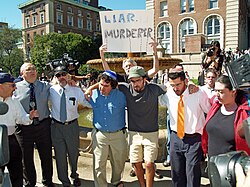
- Diverse Genres: Protest music exists across folk, classical, punk, and commercial pop.
- Global Reach: From South Korea's Minjung Gayo to Ireland's rebel songs, music is used globally to challenge authority.
- Contextual Meaning: Some songs become anthems not through their lyrics, but through the identity of the artist or the timing of the performance.
- Political Risk: In some regions, such as Iran, releasing protest music can lead to severe legal consequences, including charges of "corruption on Earth."
Regional Movements and Iconic Anthems

Asia and the Middle East
In Iran, music has become a critical tool for documenting brutality. Following the "Bloody November" protests of 2019–2020, artists like Hichkas and Fadaei released tracks such as "Clenched His Fists" and "Overthrow." More recently, the 2022 Mahsa Amini protests saw the rise of the "Woman's Anthem," co-written by Mona Borzouei.
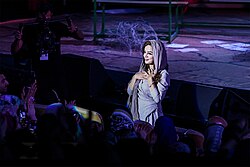
The risks for these artists are high; Toomaj Salehi was arrested in 2022 for his social awareness activities and songs like "Battleground," facing charges that could carry the death penalty. In South Korea, the Minjung Gayo (People's song) movement emerged in the 1970s to oppose military governments. While its popularity waned after democratization, it saw a resurgence during the 2024 martial law crisis.
Europe and the UK
Ireland has a deep tradition of rebel music. The Wolfe Tones became legendary for their renditions of traditional and original songs regarding the conflict in Northern Ireland. In contrast, U2's 1983 song "Sunday Bloody Sunday" broke tradition by calling for peace rather than revenge.
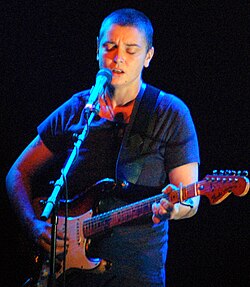
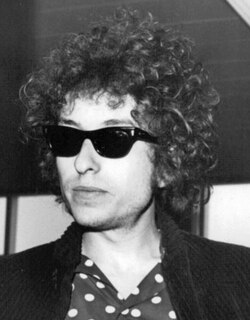
In the United Kingdom, the 1960s and 70s saw a shift from romantic pop to political lyrics. Bob Dylan's work became synonymous with the civil rights and anti-war movements.
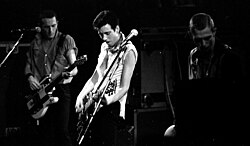
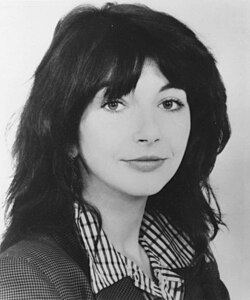
The 1980s marked a peak for "political pop" in Britain, heavily influenced by the punk movement. Artists like Kate Bush addressed the emotional toll of war in "Army Dreamers," while the punk pioneers The Clash protested race issues and authoritarianism.
Africa and the Americas
In South Africa, post-apartheid protest music continues to highlight systemic failures. Recent Afrikaans albums like Genoeg is genoeg (2007) and Koos Kombuis's Bloedrivier (2008) question the reality of the "rainbow nation," citing lack of jobs and power.
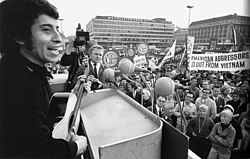
Across the Americas, movements like the Nueva Canción in Chile and Nueva Trova in Cuba used music as a revolutionary tool. Víctor Jara remains the most emblematic figure of the Nueva Canción spirit.
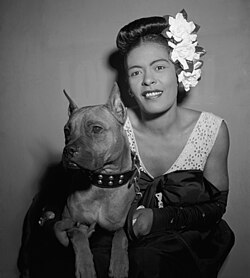
In the United States, the 20th century produced some of the most enduring protest anthems. Billie Holiday's "Strange Fruit" served as a haunting protest against racial violence, while John Lennon's "Give Peace a Chance" became a global symbol for the anti-Vietnam War movement.
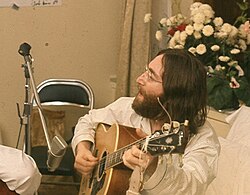
Summary of Global Protest Music Traditions

| Region/Movement | Key Genre/Term | Notable Artists/Songs | Primary Theme |
|---|---|---|---|
| South Korea | Minjung Gayo | Student Movements | Anti-military government |
| Ireland | Irish Rebel Songs | The Wolfe Tones, U2 | Nationalism and Peace |
| Iran | Contemporary Protest | Toomaj Salehi, Fadaei | Human Rights / Women's Rights |
| USA | Folk/Soul/Pop | Bob Dylan, Billie Holiday | Civil Rights / Anti-War |
| Chile/Cuba | Nueva Canción / Trova | Víctor Jara, Sara González | Revolutionary Change |
Frequently Asked Questions


What is the difference between a protest song and a topical song?
A topical song is any song connected to current events. A protest song is a specific type of topical song that is explicitly associated with a movement for protest and social change.
Can a song be a protest song if the lyrics aren't political?
Yes. Some songs are situational. For example, "Goodnight Irene" is a love song, but it is viewed as a protest song because of Lead Belly's status as a social outcast and convict.
What is Minjung Gayo?
Minjung Gayo, meaning "People's song," is the genre of protest songs in South Korea. It began with student movements in the 1970s to criticize military governments.
How did the UK music scene change in the 1980s regarding protest?
The early 1980s saw a surge in "political pop" influenced by punk. Anti-nuclear and anti-war themes were prevalent, with political songs frequently appearing at the top of the British charts throughout 1984.
What are Irish rebel songs?
These are songs that deal with the history of conflict in Ireland, often focusing on nationalism and resistance. While some call for revenge, others, like U2's "Sunday Bloody Sunday," call for peace.