Prince Augustus Frederick, Duke of Sussex
Prince Augustus Frederick was a distinctive figure in the British royal family of the late 18th and early 19th centuries. As the sixth son and ninth child of King George III and Queen Charlotte, he carved out a life defined by intellectual curiosity, liberal political leanings, and a complex personal history that often clashed with the rigid expectations of the monarchy.
Unlike his brothers, Prince Augustus did not pursue a career in the British military, largely due to his struggle with asthma. Instead, he became a champion of progressive causes, aligning himself with the Whigs. He advocated for the abolition of the slave trade, the reform of Parliament, Catholic emancipation, and the removal of civil restrictions facing Dissenters and Jewish citizens.
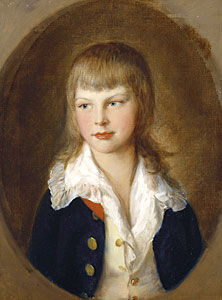
Key Facts
- Full Name: Prince Augustus Frederick, Duke of Sussex.
- Lifespan: 27 January 1773 – 21 April 1843.
- Notable Roles: 25th President of the Royal Society and Grand Master of the United Grand Lodge of England.
- Political Stance: A liberal Whig supporting parliamentary reform and religious tolerance.
- Family: Sixth son of King George III; favorite uncle of Queen Victoria.
Early Life and Education
Born at Buckingham House in London, Augustus Frederick was baptized on 25 February 1773 at St James's Palace. His early education took place at home before he was sent to the University of Göttingen in Germany in 1786. While his brothers received military training in Hanover, Augustus focused on academic pursuits.
Though he briefly considered entering the clergy of the Church of England, his only significant military service occurred during the Napoleonic War, where he served as Lieutenant-Colonel Commandant of the "Loyal North Britons" Volunteers regiment.
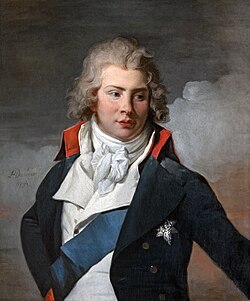
Marriages and the Royal Marriages Act
The personal life of the Duke was marked by conflict with the Royal Marriages Act 1772, a law requiring the sovereign's consent for royal marriages. In 1793, while traveling in Italy, Augustus secretly married Lady Augusta Murray. They married a second time in London later that year, still without the King's knowledge.
In 1794, the Court of Arches declared the first marriage null and void because it lacked royal approval. Despite this, the couple remained together until 1801. They had two children, Augustus Frederick d'Este and Augusta Emma d'Este, who were considered illegitimate under English law and thus unable to inherit their father's titles.
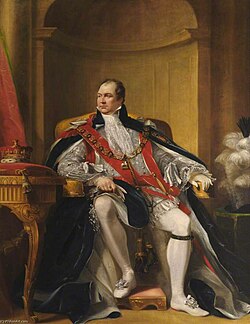
Years later, in 1831, the Duke married Lady Cecilia Letitia Buggin (who assumed the surname Underwood). This marriage also contravened the Royal Marriages Act. While she was never recognized as the Duchess of Sussex, Queen Victoria later created her the Duchess of Inverness in her own right in 1840.
Public Life and Intellectual Contributions
Prince Augustus was a man of significant intellectual ambition. He served as the President of the Royal Society from 1830 to 1838 and was the president of the Society of Arts from 1816 until his death. He possessed a deep passion for biblical studies and Hebrew, amassing a personal library of over 50,000 theological manuscripts.
He was a vocal proponent of the harmony between faith and reason. In 1838, he famously stated that the "real philosopher is the most religious man," arguing that the study of nature reveals the work of the Almighty.
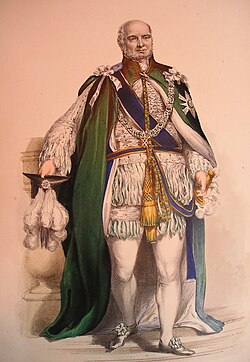
Freemasonry and Philanthropy
The Duke played a pivotal role in the history of English Freemasonry. In 1813, he became the Grand Master of the Premier Grand Lodge of England. Later that year, he oversaw the unification of the Premier and Antient Grand Lodges to form the United Grand Lodge of England, serving as its Grand Master until 1843. He also founded the Royal Masonic Benevolent Institution in 1842.
His philanthropic efforts extended to the Jews' Hospital and Orphan Asylum (now known as Norwood), where he served as a patron starting in 1815.
Later Years and Legacy
In his final years, the Duke held several prestigious positions, including Governor of Windsor Castle and Chief Ranger and Keeper of St James's Park and Hyde Park. He shared a close bond with his niece, Queen Victoria, and had the honor of giving her away at her wedding to Prince Albert in 1840.
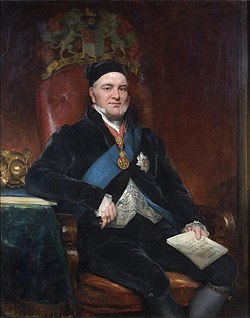
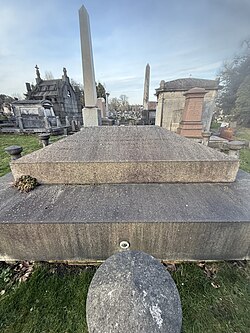
Prince Augustus Frederick died of erysipelas (a bacterial skin infection) on 21 April 1843, at the age of 70. In accordance with his wishes, he did not have a state funeral. He was buried at Kensal Green Cemetery in London.
Summary of Life and Titles
| Category | Details |
|---|---|
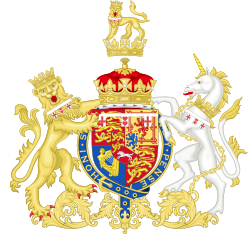
| Primary Title | Duke of Sussex (created 1801) |
| Subsidiary Titles | Earl of Inverness, Baron Arklow |
| Key Offices | President of the Royal Society, Grand Master of the UGLE |
| Spouses | Lady Augusta Murray (annulled), Lady Cecilia Underwood |
| Death | 21 April 1843 (Erysipelas) |
| Burial Site | Kensal Green Cemetery, London |
Frequently Asked Questions
Why were the Duke of Sussex's children unable to inherit his title?
His marriages were conducted without the consent of King George III, which violated the Royal Marriages Act 1772. Consequently, his children were deemed illegitimate under English law and were ineligible to inherit his peerage.
What was the Duke's contribution to Freemasonry?
He was instrumental in the 1813 unification of the two rival Grand Lodges in England to create the United Grand Lodge of England (UGLE), serving as its Grand Master for three decades.
How did the Duke view the relationship between science and religion?
He believed they were entirely compatible, asserting that the study of nature's operations served as a lesson that led the philosopher toward a deeper religious understanding.
What were the Duke's primary political beliefs?
He was a liberal Whig who supported progressive reforms, including the abolition of the slave trade, Catholic emancipation, and the removal of civil restrictions on Jews and Dissenters.
Which royal family member was he closest to in his later years?
He was the favorite uncle of Queen Victoria and played a significant role in her life, including giving her away at her wedding to Prince Albert in 1840.