Poultry Farming: History, Species, and Global Production
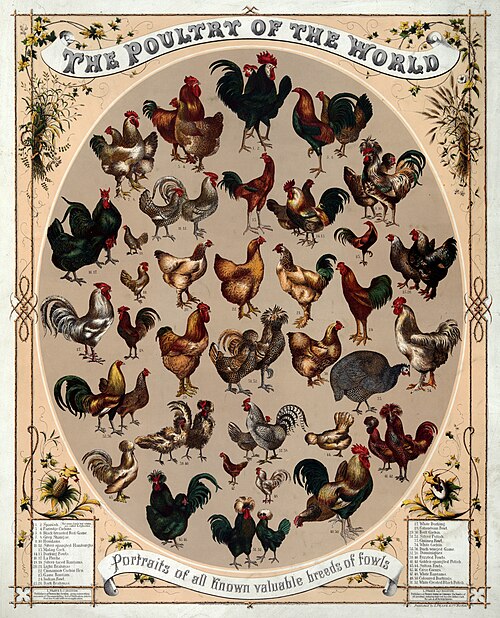
Poultry are domesticated birds raised by humans to harvest valuable animal products, including meat, eggs, and feathers. The practice of raising these birds is known as poultry farming. Most poultry belong to the superorder Galloanserae (fowl), specifically the order Galliformes (such as chickens and turkeys) and the family Anatidae (waterfowl like ducks and geese). It is important to distinguish poultry from game or quarry, which refers to wild birds hunted for food.
The journey from wild birds to commercial livestock began thousands of years ago. Early humans likely started by hatching eggs collected from the wild before transitioning to permanent captivity. While some species were initially kept for entertainment—such as chickens for cockfighting or quail for their songs—their value as a reliable food source soon became apparent. Over centuries, selective breeding has transformed these birds, prioritizing fast growth, egg-laying capacity, docility, and specific physical conformations.
Key Facts

- Global Impact: Poultry and pork together provided over 70% of the global meat supply in 2012.
- Chicken Origins: Genomic studies indicate chickens were domesticated approximately 8,000 years ago in Southeast Asia.
- Nutritional Value: Poultry meat is a source of high-quality protein with a low proportion of fat.
- Production Scale: Roughly 16 billion birds are raised annually for human consumption.
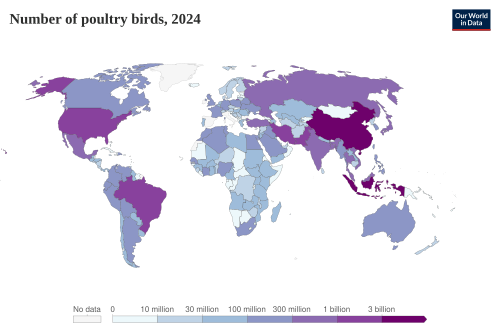
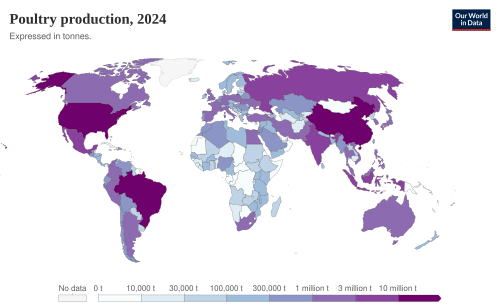
- Major Producers: The United States, China, Brazil, and the European Union are the leading producers of broiler meat.
Common Poultry Species and Their Origins

Different species of poultry have been domesticated across various regions of the world, each serving specific agricultural purposes.
| Bird | Wild Ancestor | Domestication Region | Primary Utilization |
|---|---|---|---|
| Chicken | Red junglefowl | South and Southeast Asia | Eggs and meat |
| Turkey | Wild turkey | Mexico | Meat |
| Duck | Mallard / Muscovy duck | Various | Eggs, meat, and feathers |
| Goose | Greylag / Swan goose | Various | Eggs, meat, and feathers |
| Guinea fowl | Helmeted guinea fowl | Africa | Eggs and meat |
| Domestic pigeon | Rock dove | Eurasia | Meat (Squab) |
Chickens
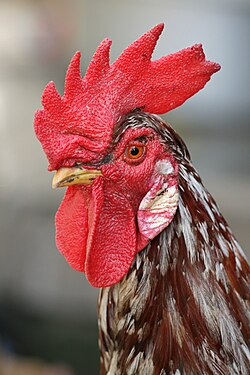
The chicken is the most populous poultry species. A 2020 study suggests all domestic chickens originate from a single domestication event of the red junglefowl in southwestern China, northern Thailand, and Myanmar. As they spread to India and China, they interbred with local junglefowl species. Modern commercial breeding has created specialized strains: light-framed birds for egg production (some laying 300 eggs per year), fast-growing fleshy birds for meat, and utility birds that provide both.
Ducks and Geese
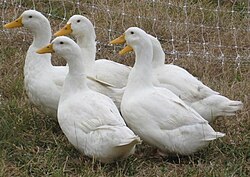
Most domestic ducks descend from the mallard, with the exception of the Muscovy duck. The Pekin duck is a dominant commercial breed in the US and UK, capable of reaching 3.5 kg in just 44 days. While chickens are more common in Western mass markets due to lower costs and leaner meat, ducks remain highly popular in Eastern cultures, where they are often herded traditionally in wet environments like rice fields.
Turkeys
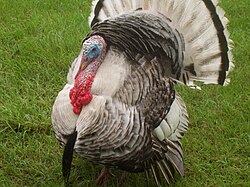
Domestic turkeys descend from wild turkeys in Mexico. They were first domesticated around 800 BC by pre-Aztec tribes, who initially valued their feathers for ceremonial robes and blankets. Modern commercial turkeys are typically raised in controlled indoor environments with optimized lighting to encourage rapid weight gain. Many commercial breeds are white to ensure the dressed carcass looks cleaner, as pin feathers are less visible.
Other Poultry
Domestic pigeons are raised for their young, known as squabs. Descended from the rock dove, squabs are fed a protein-rich secretion called "pigeon's milk" produced in the crop. They grow rapidly and are typically ready for harvest between 26 and 30 days of age.
Poultry Farming and Global Trade
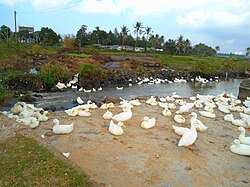
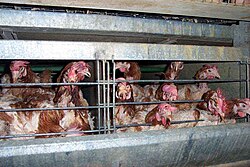
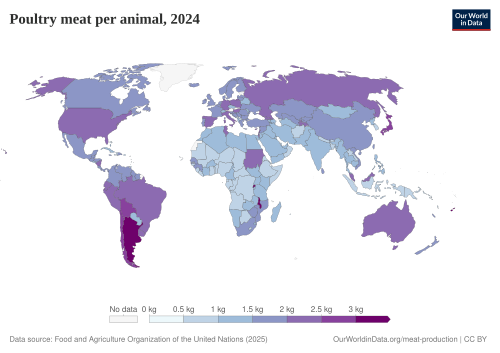
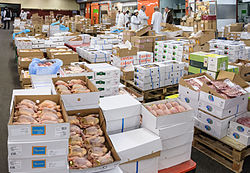
Poultry production is divided between extensive systems (small flocks) and intensive commercial enterprises. In the meat industry, broiler production reached 84.6 million tonnes in 2013. The United States leads with 20% of production, followed by China (16.6%) and Brazil (15.1%).
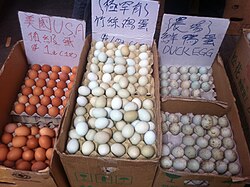
Production models vary by region. The European Union emphasizes a supply chain where products can be traced back to the farm of origin, focusing on welfare and environmental regulations. In contrast, the United States model treats poultry more as a commodity. Egg production has also seen significant growth, reaching 76.7 million tonnes by 2018.
Nutrition and Health
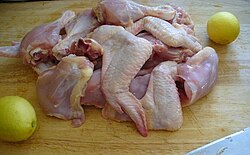
Poultry is prized for providing high-quality protein with low fat levels. For example, 100 grams of raw boneless, skinless chicken breast contains approximately 22 grams of protein and only 2 grams of fat, making it significantly leaner than beef flank steak. To prevent food poisoning, all poultry products must be handled properly and cooked thoroughly.
Frequently Asked Questions

When were chickens first domesticated?
Recent genomic studies indicate that chickens were domesticated approximately 8,000 years ago in Southeast Asia, though previous estimates suggested 5,400 years ago.
What is the difference between a broiler and a layer?
Broilers are fast-growing, fleshy birds bred specifically for meat consumption at a young age, while layers are light-framed birds bred for high egg production.
What is a capon?
A capon is a male chicken that has been castrated (often chemically) to prevent aggression and produce more tender, flavorful meat.
Why are most commercial turkeys white?
White feathers are preferred in commercial production because they result in a better-looking dressed carcass, as the remaining pin feathers are less visible than those of colored breeds.
What is pollotarianism?
Pollotarianism is a semi-vegetarian diet where poultry is the only source of meat consumed.