Pottery: The Art and Science of Fired Clay
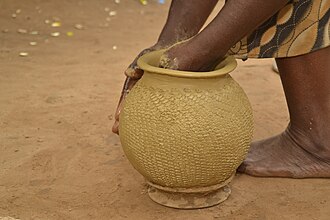
Pottery is one of humanity's oldest and most versatile inventions. At its core, it is the process of forming vessels and objects from clay and other raw materials, which are then fired at high temperatures to create a hard, durable form. While often associated with art, pottery serves a vast array of purposes, from everyday tableware and decorative pieces to industrial components like electrical insulators and laboratory ware.
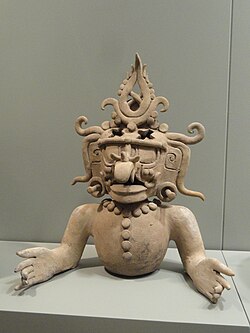
In the fields of art history and archaeology, the term pottery typically refers to vessels, while sculpted figurines made from the same materials are categorized as terracottas. Whether created by hand or on a wheel, the transformation of soft clay into stone-like ceramic is a chemical process that has evolved over tens of thousands of years.
Key Facts
- Oldest Objects: Ceramic figurines date back to 29,000–25,000 BC in the Czech Republic.
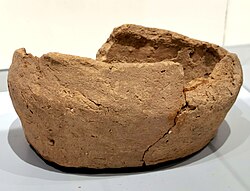
- Oldest Vessels: The earliest known pottery vessels were found in Jiangxi, China, dating to 18,000 BC.
- Firing Range: Pottery is fired at temperatures ranging from 600°C to 1,400°C.
- Primary Materials: Clay is the main ingredient, often supplemented by materials like kaolin for porcelain.
- Main Types: The three primary categories are earthenware, stoneware, and porcelain.
The Three Main Types of Pottery
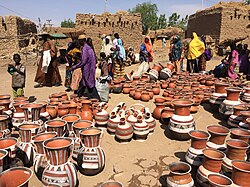
Pottery is generally classified by the temperature at which it is fired and the materials used in its composition.
Earthenware
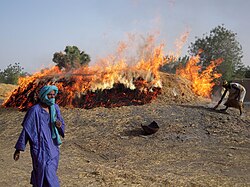
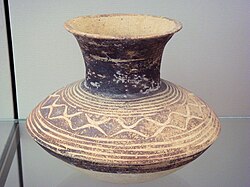
Earthenware represents the earliest form of pottery. These pieces were originally hand-formed and fired in open bonfires or pits. Earthenware can be fired at temperatures as low as 600°C (1,112°F) and is typically fired below 1,200°C (2,190°F). Because of the lower firing temperature, it remains more porous than other types.
Stoneware
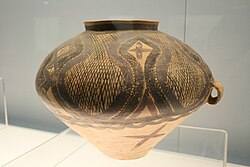
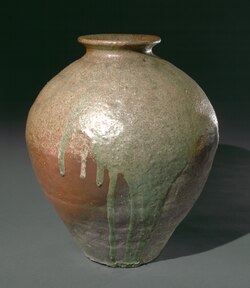
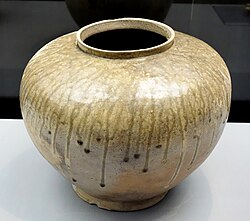
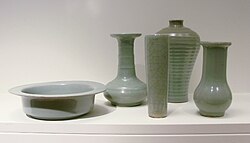
Stoneware is fired in a kiln at higher temperatures, typically between 1,100°C (2,010°F) and 1,200°C (2,190°F). This process makes the pottery stronger and non-porous to liquids. While the Chinese developed stoneware early in their history, it only became common in Europe during the late Middle Ages due to the limited availability of suitable clay and less efficient kilns.
Porcelain
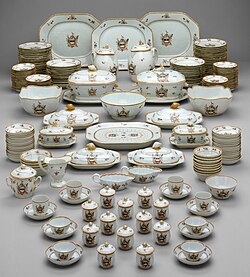
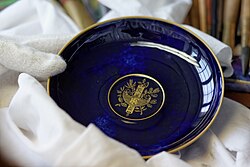
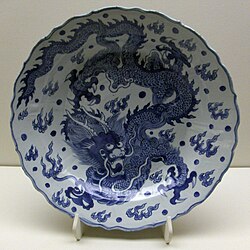
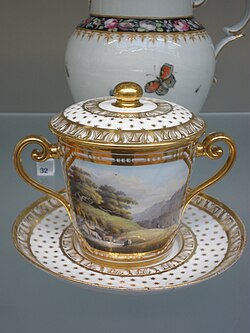
Porcelain is the most refined type of pottery, created by heating materials—most notably kaolin (a fine white clay)—to temperatures between 1,200°C and 1,400°C (2,200°F to 2,600°F). The characteristic toughness, strength, and translucence of porcelain result from vitrification (the process of becoming glass-like) and the formation of the mineral mullite within the clay body.
The Production Process
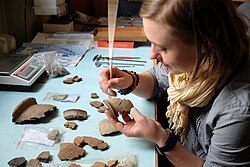
Creating pottery involves a series of precise stages to ensure the object does not crack or warp during the transition from wet clay to hard ceramic.
Shaping and Drying
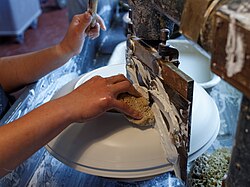
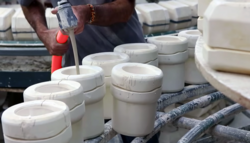
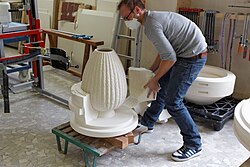
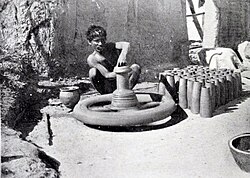
The process begins with shaping the clay body. This can be done through hand-building, using a potter's wheel, or industrial methods such as jiggering (shaping a plate) or slip casting (pouring liquid clay, or slip, into a plaster mould). Once shaped, the piece must be dried carefully to remove moisture before it enters the kiln.
Firing and Heatwork
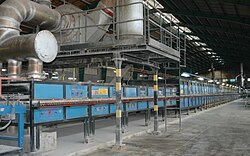
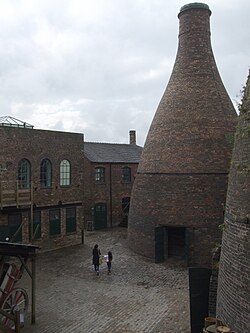
Firing is the critical stage where chemical changes occur. The combination of temperature and time is referred to as heatwork. Modern firing temperatures vary by type: earthenwares (1,000–1,200°C), stonewares (1,100–1,300°C), and porcelains (1,200–1,400°C). Firing can take place in various structures, from primitive pit fires to modern tunnel kilns.
Decorating and Glazing
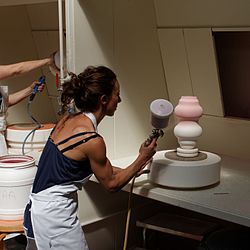
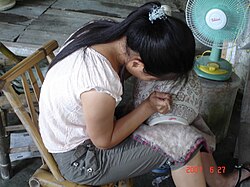
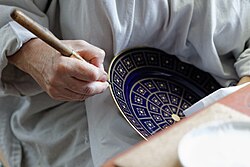
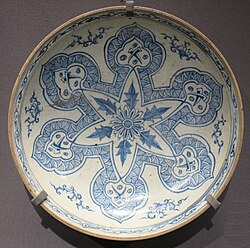
Pottery can be decorated before or after firing. Glazing involves applying a layer of glass-forming minerals to the surface, which is then fired to create a waterproof, decorative finish. High-quality wares may also feature gold decoration or specialized ash glazes.
Global History and Evolution
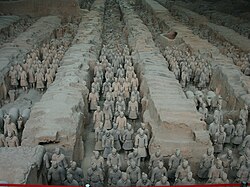
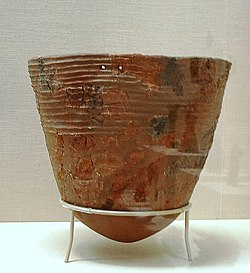
Pottery likely emerged independently across the globe, possibly by accident when clay soil was heated in fires. Beyond the early finds in China and the Czech Republic, early pottery appeared in Jōmon Japan (10,500 BC), the Russian Far East (14,000 BC), and Sub-Saharan Africa (9,400 BC).
Regional Developments
- East Asia: Japan's Jōmon period is famous for rope-impressed pottery. China pioneered glazed stoneware and porcelain, which became major exports during the Tang dynasty.
- West Asia: The Fertile Crescent saw a progression through the Hassuna, Halaf, Ubaid, and Uruk periods, with pottery becoming widespread by 5000 BC.
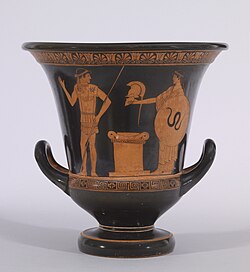
- Europe: The Greeks achieved high artistic levels with painted earthenware, using a porous clay slip for decoration rather than widespread glazing.
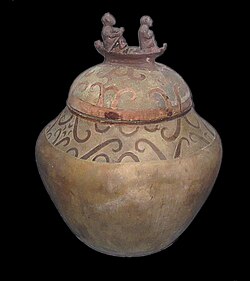
- The Americas: Native American cultures developed pottery independently, with early evidence in Brazil (9,500–5,000 years ago). Maya ceramics are noted for finely painted beakers and elaborate scenes.
Summary of Pottery Types
| Type | Typical Firing Temp | Key Characteristics | Common Materials |
|---|---|---|---|
| Earthenware | 600°C – 1,200°C | Porous, fired at lower temps | Common clays |
| Stoneware | 1,100°C – 1,300°C | Strong, non-porous | High-fire clays |
| Porcelain | 1,200°C – 1,400°C | Translucent, very strong | Kaolin |
Frequently Asked Questions
![Xianren Cave pottery fragments, radiocarbon dated to circa 18,000 BC, China[99][100]](/images/18/ef/18ef2d54e90b4601975ad88d64d473b25c0570ce13db77b005af685277d5f6f4.jpg)
What is the difference between pottery and ceramics?
While the terms are often used interchangeably, pottery specifically refers to fired ceramic wares that contain clay when formed, excluding technical, structural, or refractory products.
What is vitrification in porcelain?
Vitrification is the process where the materials in the clay body melt and fuse together at very high temperatures, creating a glass-like structure that makes porcelain non-porous and translucent.
Where was the oldest pottery discovered?
The earliest known pottery vessels were discovered in the Jiangxi province of China, with radiocarbon dating placing them at approximately 18,000 to 20,000 years ago.
What is a "slip" in pottery?
A slip is a liquid mixture of clay and water. It can be used as a "glue" to join pieces of clay together or as a decorative coating (slipped decoration) before glazing.
Why is kaolin important for porcelain?
Kaolin is a specific type of white clay that allows porcelain to withstand the extremely high temperatures required for vitrification while maintaining its white color and strength.