POSCO: The Evolution of a Global Steel Manufacturing Giant
From its origins as a cornerstone of South Korea's economic development to its current status as a global industrial leader, POSCO (formerly Pohang Iron and Steel Company) has played a pivotal role in the modern steel industry. Headquartered in Pohang, South Korea, the company has grown from a state-led initiative into a massive, publicly traded corporation that serves markets worldwide.
As one of the world's largest steelmakers, POSCO produces a diverse range of products, including flat steel, long steel, wire products, and plates. Its influence extends across various sectors, supplying essential materials for the automotive, shipbuilding, construction, and home appliance industries.
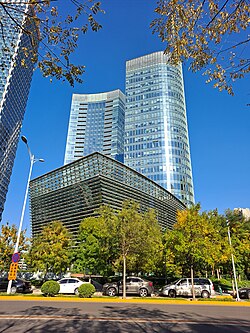
Key Facts
- Founded: April 1968 by Park Tae-Joon.
- Headquarters: Pohang, South Korea.
- Global Standing: Ranked as the 233rd-largest corporation in the 2024 Fortune Global 500.
- Core Products: Steel, flat steel, long steel, wire products, and plates.
- Major Facilities: Pohang and Gwangyang Steelworks.
The History of POSCO
Foundations and Early Growth (1968–1971)
In the 1960s, the South Korean administration identified self-sufficiency in steel as a vital requirement for national economic development. Despite skepticism from many domestic and foreign businesses, the government established the Pohang Iron and Steel Company in 1968. Under the leadership of founder Park Tae-Joon, construction of the Pohang plant began in 1970. The facility was dedicated on July 3, 1973, with an initial annual capacity of 1.03 million metric tons.
The initial construction was supported by significant international cooperation, particularly from Japan. Financing included US$119 million in grants and loans, US$54 million in credit from the Export-Import Bank of Japan, and technical assistance from Nippon Steel. This collaboration was a significant outcome of the normalization of relations between South Korea and Japan in 1965.

Expansion and Global Efficiency (1972–1992)
Throughout the 1980s, POSCO experienced immense growth. By 1980, the company produced 6.2 million tons of raw steel, a 13% increase from the previous year. This growth occurred even as much of the Korean economy faced depression, as domestic industries like automobile and shipbuilding manufacturers heavily absorbed POSCO's output.
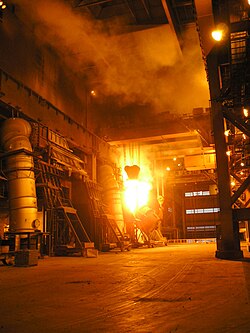
The company's expansion continued with the completion of the second-phase mill at Gwangyang in August 1988. A third-phase mill was completed in 1992, bringing total crude steel production to approximately 17.2 million tons per year. During the late 1980s, POSCO was recognized as one of the world's most efficient steel producers in terms of both productivity and facilities.
Privatization and Modern Governance (1992–Present)
In the mid-1990s, POSCO underwent significant structural changes. In 1994, the company created two subsidiaries: POSTEEL for domestic sales and POSTRADE for international trading. Following the economic crisis in the late 1990s, the Kim Dae Jung administration prioritized the privatization of public enterprises. By 2000, the full privatization of POSCO was completed.
Post-privatization, the company focused on professional management and global governance standards. This shift led to increased revenue and profitability. By 2004, POSCO recorded some of the largest profits in the global steel industry, with net earnings from its array of products rising 80% to $1.66 billion compared to the previous year.
Global Operations and Investments
Expansion into Asia and North America
To maintain competitiveness, POSCO expanded its footprint into China, India, and Southeast Asia. In 2006, the company began operating the Zhangjiagang Pohang Stainless Steel (ZPSS) mill in China, becoming the first foreign firm to operate an integrated stainless steel mill in the country. In Mexico, POSCO established a $250 million plant in Altamira to produce galvanized steel for the automotive sector.
The company has also pursued opportunities in Vietnam and Indonesia. In Indonesia, the Krakatau Posco joint venture began operations in 2013, with an annual production capability of 3 million tons of steel.
The India Project and Exit
In 2005, POSCO signed a memorandum of understanding (MoU) with the State of Orissa, India, for a massive $12 billion steel plant project. However, the project faced significant regulatory and environmental hurdles. Following delays in regulatory approvals and challenges involving the National Green Tribunal (NGT), POSCO officially exited the project in India on March 18, 2017.
Summary of Key Corporate Data
| Category | Details/Value |
|---|---|
| Revenue (2021) | KRW 75.16 trillion |
| Operating Income (2021) | KRW 9.25 trillion |
| Net Income (2021) | KRW 7.22 trillion |
| Total Assets (2020) | KRW 79.08 trillion |
| Total Equity (2020) | KRW 47.68 trillion |
| Major Shareholders | National Pension Service (7.28%), BlackRock (5.39%) |
Frequently Asked Questions
What is the difference between the Pohang and Gwangyang steelworks?
The Pohang steelworks is the nation's first integrated steelworks, constructed in four phases between 1970 and 1981. The Gwangyang steelworks is the second integrated facility, completed in phases between 1982 and 1992, with a specific focus on automotive steel, high-strength structure steel, and API line pipe steel.
When did POSCO become a fully private company?
While the privatization process began in the late 1990s under the Kim Dae Jung administration, full privatization of POSCO was completed in the year 2000.
What products does POSCO manufacture?
POSCO specializes in a wide variety of steel products, including flat steel, long steel, wire products, plates, and stainless steel.
Where does POSCO operate internationally?
Beyond South Korea, POSCO has operations and investments in China, Vietnam, Mexico, Indonesia, and Argentina (where it opened a lithium hydroxide factory in 2024).
Who founded POSCO?
POSCO was founded by Park Tae-Joon, who was appointed president of the mill following the government's decision to establish the company in 1968.