Population Growth: Historical Trends, Projections, and Global Dynamics
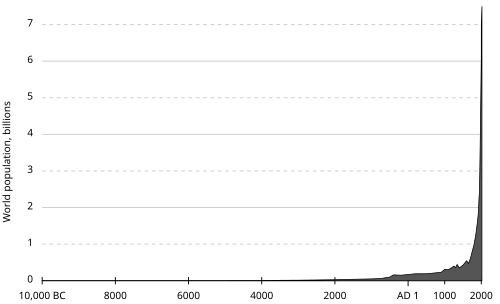
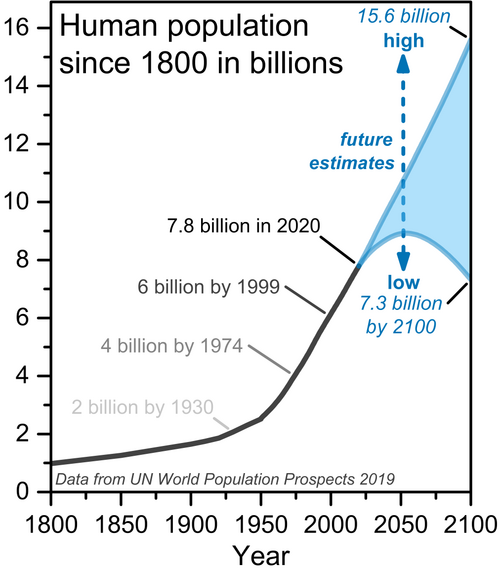
Population growth refers to the increase in the number of individuals within a specific population or dispersed group. While the human story has been one of steady expansion, the pace and patterns of this growth are shifting significantly. From a global population of just 1 billion in 1800, we have reached approximately 8.2 billion by 2025. Today, the world adds roughly 70 million people annually, representing a growth rate of about 0.85% per year.
![Population growth rate (2023, Our World in Data)[1]](/images/8e/bb/8ebb86a9e6008833c64b6d153d57978fe247f39fd0d4b633cf499c20f46aa231.png)
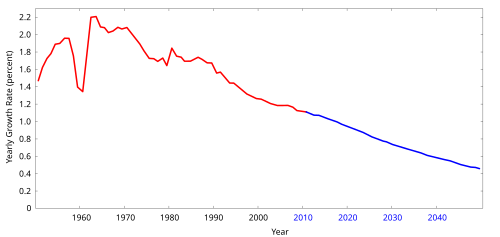
Understanding these shifts requires looking at both the historical drivers of expansion and the modern factors contributing to a slowing growth rate. While the total number of people continues to rise, the speed at which we are adding new members to the human family has declined from a peak of 2.2% per year in 1963.
![Absolute increase in global human population per year[2]](/images/c8/47/c8474428df273d1b2db888d00f4ea666c47c1ffee15817175a149178a1683c24.webp)
Key Facts
- Current Status: The global population reached approximately 8.2 billion in 2025.
- Annual Increase: The world grows by about 70 million people each year.
- Peak Projection: The United Nations projects the population will peak in the mid-2080s at around 10.3 billion.
- Growth Rate Trend: Global growth rates have declined significantly from a 1963 peak of 2.2%.
- Historical Context: Sustained growth has occurred since the end of the Black Death around 1350.
The History of Human Expansion
The long-term trajectory of human population is marked by periods of stability followed by rapid acceleration. Following the end of the Black Death around 1350, the world entered a period of sustained growth. This was fueled by a combination of technological advancements that boosted agricultural productivity and improved sanitation, alongside medical progress that significantly reduced mortality rates.
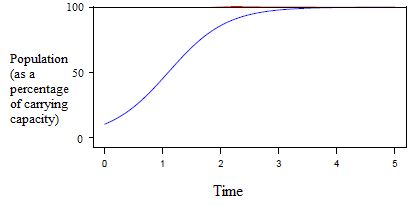
In scientific modeling, the growth of a population can often be described using the logistic equation. This mathematical model accounts for how growth might slow as a population approaches the carrying capacity of its environment, rather than growing infinitely in a straight line.
Demographic Transition and Modern Trends
A critical concept in understanding modern population shifts is the demographic transition. This is a process where nations with high standards of living experience a significant slowing of population growth. This transition is often characterized by declining birth rates as societies develop.
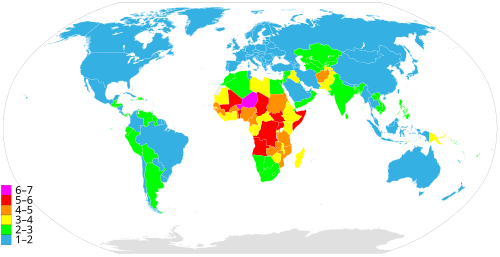
In contrast to developed nations, many less developed contexts are still experiencing significant population growth. Currently, the majority of global population growth is occurring in these less developed regions.
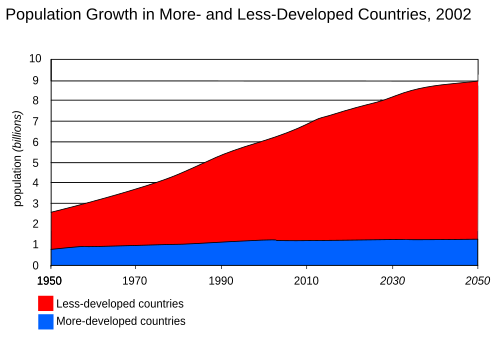
The United Nations has recently adjusted its projections downward due to sharp declines in global birth rates. While some experts suggest these projections may underestimate future growth, the current consensus points toward a peak in the coming decades.
Regional Variations and Environmental Impact
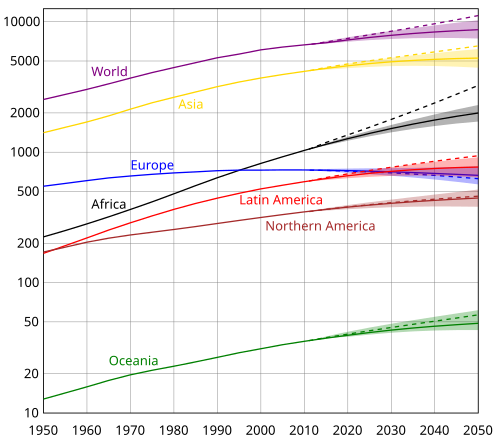
Population growth is not uniform across the globe. Different continents show vastly different trajectories. For example, while some regions in Europe may see stagnant or even declining populations, other areas in Africa and Asia continue to expand.
These growth patterns are closely linked to fertility rates—the average number of children born to a woman. Variations in these rates across the globe create the diverse demographic landscapes we see today.
Rapid population growth, when combined with increased consumption, acts as a driver for environmental concerns. Issues such as biodiversity loss and climate change are often linked to the overexploitation of natural resources required to support human development. Consequently, international policy, such as the Sustainable Development Goals, focuses on improving global living standards while simultaneously reducing the human impact on the environment.
Summary of Population Milestones
| Year | Population (Billions) |
|---|---|
| 1800 | 1 |
| 1927 | 2 |
| 1960 | 3 |
| 1974 | 4 |
| 1987 | 5 |
| 1999 | 6 |
| 2011 | 7 |
| 2022 | 8 |
| 2035* | 9 |
| 2055* | 10 |
| 2088* | 11 |
| *Based on United Nations World Population Prospects 2017 projections. |
Frequently Asked Questions
When is the world population expected to peak?
According to United Nations projections as of 2024, the global population is expected to peak in the mid-2080s at approximately 10.3 billion people.
What is the demographic transition?
The demographic transition is a process where nations move from high birth and death rates to lower birth and death rates, typically as they achieve higher standards of living and economic development.
Why has the global population growth rate declined?
The growth rate has declined due to sharp decreases in global birth rates, even as total population numbers continue to rise.
How does population growth affect the environment?
Increased population growth, alongside rising consumption, can lead to the overexploitation of natural resources, contributing to climate change and the loss of biodiversity.
Where is most of the current population growth happening?
The majority of current global population growth is occurring in less developed countries.