Pollinator Decline: Global Trends, Economic Impacts, and Agricultural Risks
Since the end of the 20th century, scientists have been documenting a concerning trend: the reduction in the abundance of insect and animal pollinators across many ecosystems. This phenomenon, known as pollinator decline, refers to the shrinking populations of creatures responsible for the sexual reproduction of many plant species. By ensuring cross-pollination—the transfer of pollen from one plant to another—these animals maintain genetic diversity and support the primary food sources for much of the animal kingdom.
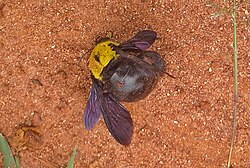
The Scope of the Decline
While research has historically focused on specific regions, the evidence suggests a global issue. Significant reductions in wild pollinator populations have been recorded in Europe and North America, with similar trends observed in South America, China, and Japan. Most scientific studies concentrate on bees, specifically honeybees and bumblebees, though researchers also monitor hoverflies and lepidopterans (butterflies and moths).
Wild vs. Domesticated Pollinators
The status of domesticated, or managed, pollinators presents a more complex picture. In Europe and North America, managed honeybee colonies saw declines of 25% and 59% respectively between 1985 and 2005, and 1947 and 2005. However, global stocks have actually increased due to massive rises in hive numbers in countries like Argentina and China. Despite this increase, a growing gap has emerged: while managed honeybee hives grew by 45%, the demand for crops requiring animal pollination tripled, creating a dangerous reliance on domesticated species.
Key Facts
- Global Trend: Bee species declined steeply worldwide after the 1990s, with a 25% reduction in species richness between 2006 and 2015 compared to the pre-1990 era.
- Economic Value: In 2009, the worldwide value of 100 crops requiring pollinators was estimated at €153 billion.
- US Impact: Honeybees contributed an estimated US$14.6 billion in monetary value to US food crops in 2000.
- Agricultural Risk: Without animal pollination, US agricultural production is expected to drop by 3% to 8%.
- Brazil Case Study: A 2016 study indicated that pollinator decline in Brazil would most significantly impact the agricultural sector through lost income from high-value cash crops.
Economic and Agricultural Consequences
The potential disappearance of pollinators has led some to describe the situation as an "Armageddon" due to the threat to the food chain. If pollinators were to vanish, the direct impact on total agricultural production in the United States is estimated to be between 3% and 8%, alongside a reduction in the diversity of available crops.
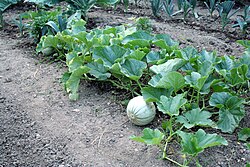
Interestingly, despite these dire theoretical predictions, actual food production has not yet been negatively affected. Data shows that yields for both animal-pollinated and non-animal-pollinated crops have increased at similar rates during the period of observed pollinator decline.
| Metric/Region | Value/Impact | Context |
|---|---|---|
| Global Crop Value | €153 billion | Value of 100 crops needing pollinators (2009) |
| US Honeybee Value | US$14.6 billion | Monetary value to US food crops (2000) |
| US Production Risk | 3% to 8% | Expected reduction in total production without pollinators |
| Managed Hive Demand | 3x increase | Demand for pollination services vs. 45% hive increase |
Frequently Asked Questions
How much has the number of bee species actually declined?
A 2021 long-term assessment of global data found that bee species numbers declined steeply after the 1990s, with a 25% decrease in species richness between 2006 and 2015 compared to the period before 1990.
Is the decline affecting current food yields?
Currently, no. Despite the theorized decline in pollinators, food production has remained stable, with yields for both pollinator-dependent and non-pollinator-dependent crops increasing at the same rate.
What is the difference between wild and managed pollinators?
Wild pollinators are naturally occurring insects in an ecosystem, while managed pollinators, such as honeybees, are kept in hives by humans to assist in agricultural pollination.
Why is relying on honeybees alone a risk?
While managed honeybee stocks have increased globally, the demand for pollination services has tripled. This creates a significant gap between the available pollinator supply and the needs of modern agriculture.
What are the potential economic risks of pollinator loss?
Economic risks include a drop in income from high-value cash crops (noted specifically in Brazil) and a potential reduction in the total value of global agricultural production, which is currently estimated at €153 billion for 100 key crops.