Understanding Annual Plants: Life Cycles, Evolution, and Ecological Impact
In the natural world, plants have developed diverse strategies for survival, ranging from ancient trees that live for millennia to delicate wildflowers that appear and vanish in a matter of weeks. Among these are annual plants, species that operate on a fast-tracked biological clock. By completing their entire life cycle in a single season, these plants have carved out a unique ecological niche that allows them to thrive in unpredictable environments.
An annual plant is defined as a species that completes its full life cycle—progressing from germination to the production of seeds—within one growing season, after which the plant dies. This strategy is surprisingly widespread; approximately 6% of all plant species and 15% of herbaceous plants (excluding shrubs and trees) are annuals. This life cycle has emerged independently in more than 120 different plant families across the angiosperm phylogeny, which is the evolutionary history and relationship of flowering plants.
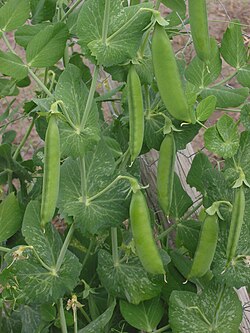
Key Facts
- Life Cycle: Annuals germinate, flower, and produce seeds all within one growing season.
- Global Prevalence: They make up 6% of all plant species and 15% of herbaceous plants.
- Agricultural Dominance: Annuals cover about 70% of croplands and provide roughly 80% of global food consumption.
- Evolutionary Flexibility: Transition rates from annual to perennial life cycles are estimated to be twice as fast as the reverse.
- Genetic Control: Inactivating just two genes (SOC1 and FUL) can convert some annual species into perennials.
The Evolution of the Annual Life Cycle
For a long time, scientists assumed that annuals simply evolved from perennial ancestors (plants that live for more than two years). However, modern research has challenged this linear view. Evidence now suggests that the reverse also happens: perennials can evolve from annual ancestors. Interestingly, mathematical models propose that the transition from an annual to a perennial life cycle occurs twice as fast as the transition from perennial to annual.
The prevalence of annuals is often explained by life-history theory. This theory suggests that annual strategies are favored when the risk of death for an adult plant is higher than the risk of death for a seed or seedling. Consequently, annuals tend to dominate environments characterized by high temporal variability or frequent disturbances that reduce adult survival. This is most evident in regions with hot, dry summers, where high adult mortality and strong seed persistence make the annual cycle an ideal survival strategy. This phenomenon is a prime example of convergent evolution, where unrelated plant families independently evolve similar traits to solve the same environmental challenges.
Annuals in Changing Ecosystems
The balance between annual and perennial plants is often shifted by external disturbances. In many ecosystems, annuals are the first to arrive during secondary succession—the process of ecological recovery after a disturbance. For example, abandoned agricultural fields are often first colonized by annuals, which are eventually replaced by longer-lived species. However, in some Mediterranean systems, annuals can establish a stable dominance that perennials do not necessarily replace, creating "alternative stable states" depending on the initial conditions of the environment.
Human activity has significantly increased the global footprint of annual plants. In the Anthropocene (the current geological epoch defined by human impact), the conversion of natural perennial-dominated landscapes into annual croplands has been widespread. Additionally, domestic grazing in grasslands and agricultural practices—particularly following European settlement in the New World—have facilitated the invasion of annual species from Europe and Asia.
Biological Traits and Ecosystem Services
Annuals and perennials employ very different biological strategies to ensure the survival of their species. While perennials invest in longevity and long-term stability, annuals prioritize speed and reproduction.
Annual plants typically exhibit higher growth rates and allocate a larger portion of their resources to seed production rather than root development. To compensate for their short lifespans, they maintain high-persistence soil seed banks (dormant seeds stored in the soil). This trade-off has significant implications for the environment. Because they invest less in root systems, annuals are less effective than perennials at storing organic carbon, reducing soil erosion, and utilizing water and nutrients efficiently.
Despite these ecological drawbacks, these traits make annuals incredibly productive for humans. Because they channel so much energy into seeds, they are the primary food source for humanity, dominating the majority of global agricultural production.
| Trait | Annual Plants | Perennial Plants |
|---|---|---|
| Life Span | One growing season | More than two years |
| Resource Allocation | High investment in seeds; low in roots | Higher investment in roots and longevity |
| Growth Rate | Generally higher | Generally lower |
| Seed Strategy | High soil seed bank persistence | Short-lived seeds |
| Ecosystem Role | Rapid colonization; high food yield | Carbon storage; erosion control |
The Genetics of Plant Longevity
Recent breakthroughs in molecular genetics have revealed how thin the line is between an annual and a perennial plant. In 2008, researchers working with Arabidopsis thaliana (a common model annual plant) discovered that the inactivation of only two genes—SOC1 and FUL—could change the plant's life history. These genes control flowering time; when they were deactivated, the plant began to exhibit perennial phenotypes, including the formation of wood.
Frequently Asked Questions
What is the main difference between an annual and a perennial plant?
The primary difference is the length of the life cycle. Annuals complete their entire life cycle, from germination to seed production, within a single growing season and then die. Perennials live for more than two years.
Why are most of our food crops annuals?
Annuals allocate a significantly higher proportion of their resources to seed production compared to perennials. Since seeds (grains, legumes, etc.) are the primary parts of the plant humans consume, this makes annuals more productive for agriculture.
How do annual plants survive in harsh or unpredictable climates?
Annuals survive by producing a large number of seeds that can persist in the soil as a seed bank. This allows the species to survive periods of extreme heat or drought as dormant seeds, germinating only when conditions become favorable again.
Can an annual plant be turned into a perennial?
Scientifically, yes. Research on Arabidopsis thaliana has shown that deactivating specific genes that control flowering time, such as SOC1 and FUL, can trigger perennial characteristics like wood formation.
Do annual plants help prevent soil erosion?
Generally, annuals play a smaller role in reducing erosion than perennials. This is because annuals allocate fewer resources to their root systems, which are essential for anchoring soil in place.