Playmaker Roles in Football: From the Classic Number 10 to the Modern Regista
In the world of association football, the playmaker is the heartbeat of the team. This specialized player controls the flow of the game, utilizing exceptional vision, technique, ball control, and creativity to orchestrate offensive and defensive passing moves that lead to goals. Traditionally associated with the number 10 jersey, the playmaker is the primary architect of a team's attacking strategy.
While the term often overlaps with that of an attacking midfielder, a playmaker's influence is not restricted to a single area of the pitch. Depending on the manager's tactics, they may operate on the wings, as a supporting striker, or deep within their own half to build play from the back. Because their primary focus is creativity rather than ball-winning, playmakers are typically supported by a defensive midfielder who covers the space they leave behind.
Key Facts
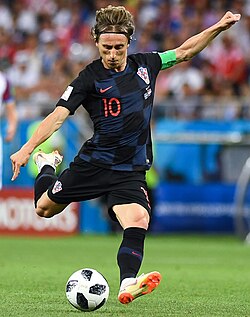
- Core Skills: High-level vision, passing ability, technical ball control, and creativity.
- Traditional Role: Often referred to as the "Number 10," operating in the hole between midfield and attack.
- Positional Flexibility: Can function as advanced playmakers, deep-lying playmakers, or even in hybrid roles like the "false 9."
- Tactical Support: Usually paired with defensive midfielders to compensate for their limited defensive contributions.
Advanced Playmakers and Wide Variants
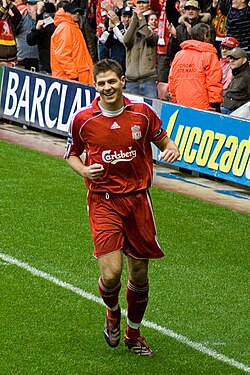
Advanced playmakers typically operate closer to the opposition goal. In modern football, these players are increasingly deployed on the wings as half-wingers, inverted wingers, or outside forwards, particularly in 4–3–3 or 4–2–3–1 formations. This shift helps teams avoid defensive vulnerabilities that occur when a purely central attacking midfielder is bypassed.
Operating from the flank allows a playmaker to take on defenders one-on-one, cut inside toward the center of the pitch, and either shoot with their stronger foot or deliver precise crosses. A prime example is Lionel Messi, who was initially deployed on the right wing by Frank Rijkaard at Barcelona to utilize his left foot. Other players, such as David Beckham, operated as wide midfielders in a 4–4–2, using their vision to deliver long-range passes and curling crosses.
The Evolution of the "False" Roles
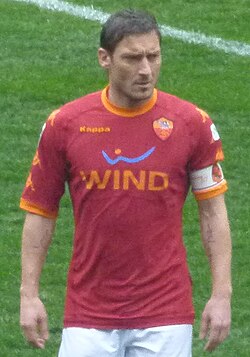
The False 9
The false 9 is a variation of the deep-lying forward. While they appear to be the center forward, they frequently drop deep into the number 10 position. This movement draws defenders out of position, creating gaps for teammates to make attacking runs. This role requires a nimble, technical player with a penchant for scoring and assisting. Notable exponents include Lionel Messi under Pep Guardiola, Francesco Totti at Roma, and Roberto Firmino under Jurgen Klopp.
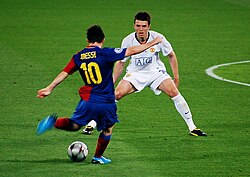
The False 10
The false 10 often works in tandem with a false 9. As other forwards draw defenders away, the false 10 surprises the opposition by moving out of their expected position to make offensive dribbling runs or receive passes in the middle of the pitch. This tactical nuance was effectively demonstrated by Wesley Sneijder and Mesut Özil during the 2010 FIFA World Cup.
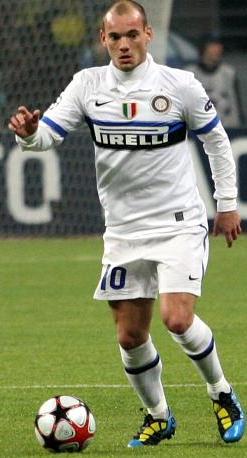
Deep-Lying Playmakers and Defensive Integration
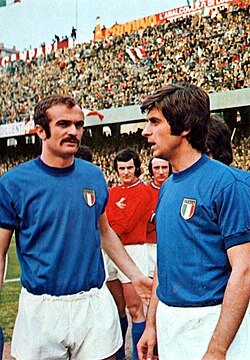
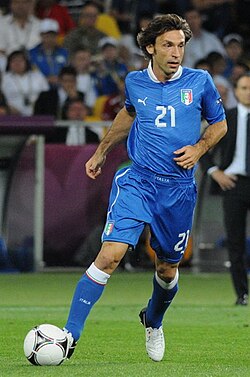
Deep-lying playmakers operate in a free role behind the midfield line, focusing on the initial build-up of play. This role allows them more time on the ball and a broader view of the pitch. Andrea Pirlo is a quintessential example; during his time with Italy, he was often deployed as a defensive midfielder in an "inverted" diamond (4–1–3–2) to maximize his distribution, supported by box-to-box midfielders who handled the physical defensive work.
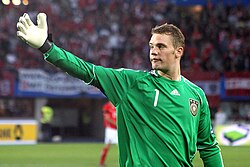
Modern football has also seen playmaking attributes migrate even further back. Ball-playing centre-backs, such as Leonardo Bonucci, and sweeper-keepers, such as Manuel Neuer, now contribute significantly to the team's distribution and playmaking from the deepest possible positions.

Playmaking Across Different Eras and Regions
| Player | Primary Role/Style | Key Characteristic |
|---|---|---|
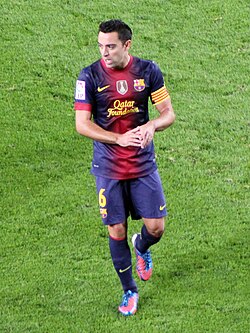
| Xavi | Deep-lying/Central | Precision passing and control |
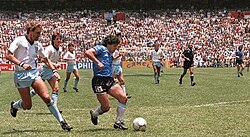
| Diego Maradona | Advanced Playmaker | Dribbling and creativity |
| Andrea Pirlo | Deep-lying Playmaker | Long-range distribution |
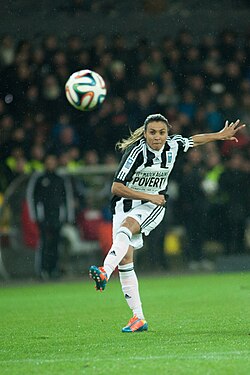
| Marta | Attacking Playmaker | Technical skill and goal-scoring |
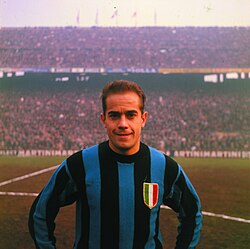
| Luis Suárez | Classic Playmaker | Architect of the "Grande Inter" |
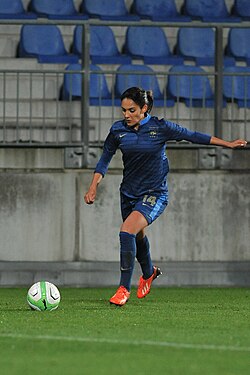
Different footballing cultures have approached the role uniquely. In Italy, the fantasista represents the creative spark, while the regista defines the deep-lying playmaker. Historically, the "Grande Inter" side of the 1960s relied on Luis Suárez as their main playmaker. In the women's game, players like Marta and Louisa Nécib have been praised for their vision, elegance, and ability to create chances for teammates.
Frequently Asked Questions
What is the difference between a playmaker and an attacking midfielder?
While often used interchangeably, an attacking midfielder is a specific position on the pitch. A playmaker is a role defined by the responsibility of controlling the game's flow. A playmaker can be an attacking midfielder, but they can also be a deep-lying midfielder, a winger, or even a striker.
What does a "False 9" actually do?
A false 9 is a striker who drops deep into the midfield. By doing this, they pull central defenders out of their positions, creating space for wingers or other midfielders to run into the box and score.
Why do playmakers need defensive midfielders?
Playmakers typically prioritize creativity, vision, and passing over tackling and interceptions. To ensure the team remains defensively sound, a defensive midfielder is usually deployed to win the ball back and protect the area the playmaker leaves open.
What is a deep-lying playmaker?
A deep-lying playmaker (or regista) is a player who orchestrates the game from a position deep in their own half, usually just in front of the defense, focusing on long-range passing and initiating attacks.
Can a goalkeeper be a playmaker?
Yes, in the modern "sweeper-keeper" role, goalkeepers like Manuel Neuer are expected to have excellent distribution skills, effectively acting as the first point of playmaking for the team.