Plastic Surgery: The Evolution of Reconstructive and Aesthetic Medicine
Plastic surgery is a specialized field of medicine focused on the restoration, reconstruction, or alteration of the human body. While often associated today with aesthetic enhancements, its roots are deeply embedded in the necessity of trauma care and the restoration of function. The term plastic is derived from the Greek plastikē (tekhnē), meaning "the art of modelling" malleable flesh. This concept of reshaping the body has existed for millennia, evolving from ancient survival techniques to a sophisticated modern medical discipline.
Key Facts
- Etymology: The term "plastic" in a surgical context was established by Eduard Zeis in 1838.
- Ancient Roots: Reconstructive techniques were documented in Egypt (c. 1600 BC) and India (800 BC).
- WWI Impact: Sir Harold Gillies pioneered modern facial reconstruction to treat soldiers with gunshot wounds.
- Modern Trends: Rhinoplasty and blepharoplasty are among the most common cosmetic procedures today.
- Demographics: In 2014, 92% of cosmetic procedures in the U.S. were performed on women.
The History of Reconstructive Surgery
Ancient Foundations
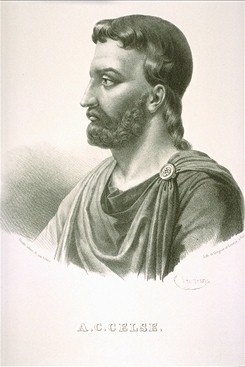
The earliest records of repairing broken noses appear in the Edwin Smith papyrus, an Egyptian medical text dating to approximately 1600 BC. However, some of the most significant early advancements occurred in India. By 800 BC, reconstructive techniques were being practiced, most notably documented in the Sushruta Samhita. Sushruta, a 6th-century BC physician, is regarded as a foundational figure in the field for his development of skin flap methods for nasal reconstruction and early cataract surgery.
![Plates vi & vii of the Edwin Smith Papyrus at the Rare Book Room, New York Academy of Medicine[11]](/images/3b/4d/3b4d0bd8164c82b04703375d0bb939f282e7b61289a324fdde1cda2f1720e632.jpg)
From the Middle Ages to the 19th Century
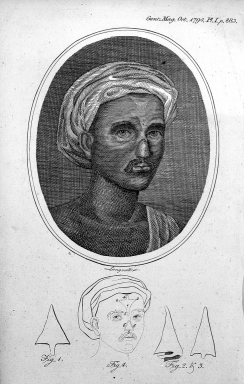
Knowledge of Indian rhinoplasty (nose reconstruction) eventually reached Europe. In the 18th century, British physicians traveled to India to study these methods. Reports published in the Gentleman's Magazine by 1794 highlighted the work of Kumhar (potter) Vaidyas. Joseph Constantine Carpue, after spending 20 years studying in India, performed one of the first major Western rhinoplasties in 1815.
The Rise of Modern Techniques
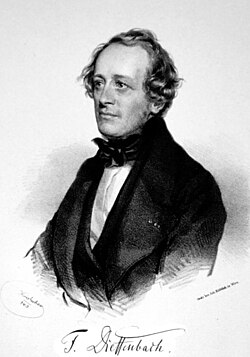
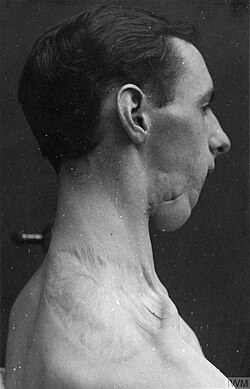
The 19th century saw the establishment of modern reconstructive standards, with figures like Johann Friedrich Dieffenbach contributing to the field's technical growth. However, the catalyst for rapid advancement was World War I. Sir Harold Gillies, working with the Royal Army Medical Corps, established a dedicated facial injury ward at the Cambridge Military Hospital and later at Sidcup in 1917.
Gillies and his team performed over 11,000 operations on more than 5,000 men, primarily treating devastating facial gunshot wounds. These efforts led to the development of advanced skin graft and flap techniques that form the basis of modern maxillofacial surgery.
![Walter Yeo, a sailor injured at the Battle of Jutland, is assumed to have received plastic surgery in 1917. The photograph shows him immediately following (right) the flap surgery by Sir Harold Gillies, and after healing (left).[citation needed]](/images/4e/e2/4ee27d4ec2ba4307ab87cbe5ea0a9f017fd620628ed47636f16bfb01cd92a28f.jpg)
Cosmetic and Aesthetic Surgery
Unlike reconstructive surgery, cosmetic surgery is typically elective and performed on healthy body parts to improve appearance or reduce signs of aging. While primarily aesthetic, some procedures serve functional purposes; for example, breast reduction can alleviate chronic back or neck pain, and reconstructive mammoplasty is essential following a mastectomy for breast cancer.
The demand for these procedures has grown steadily. In 2014, nearly 16 million cosmetic procedures were performed in the United States. Recent data suggests a "Zoom-boom" effect following the COVID-19 pandemic, with requests for procedures increasing by an estimated 10% in the U.S. and 20% in France, likely due to the rise of videoconferencing.
Common Aesthetic Procedures
Modern aesthetic surgery encompasses a wide range of surgical and non-surgical interventions. The most frequent surgical procedures include:
- Rhinoplasty: Reshaping the nose (the most common surgical procedure in 2020 at 15.2%).
- Blepharoplasty: Reshaping the eyelids.
- Rhytidectomy: A facelift to remove wrinkles.
- Liposuction: Removal of excess fat.
- Mammoplasty: Breast augmentation or reduction.
Non-surgical options, such as Botox and dermal fillers (hyaluronic acid, collagen), also represent a significant portion of the market.
Summary of Common Procedures
| Procedure Name | Common Term | Primary Purpose |
|---|---|---|
| Rhinoplasty | Nose job | Reshaping the nose |
| Blepharoplasty | Eyelid surgery | Reshaping upper/lower eyelids |
| Rhytidectomy | Facelift | Removing wrinkles and signs of aging |
| Abdominoplasty | Tummy tuck | Reshaping and firming the abdomen |
| Mammoplasty | Breast surgery | Augmentation or reduction |
| Brachioplasty | Arm lift | Reducing excess skin/fat under the arm |
Risks and Complications
As with any medical intervention, plastic surgery carries inherent risks. Common complications include hematoma (collection of blood), nerve injury, infection, scarring, and implant failure. Specifically, breast implants may rupture; FDA data from 2011 indicated that one in five patients may require implant removal within 10 years. Some studies suggest that overfilling saline implants (by 10–13%) may reduce the rupture-deflation rate.
Frequently Asked Questions
What is the difference between reconstructive and cosmetic surgery?
Reconstructive surgery focuses on restoring function and normal appearance to parts of the body affected by trauma, disease, or congenital defects. Cosmetic surgery is elective and performed on normal body parts to improve aesthetic appearance.
Who is considered the father of early reconstructive surgery?
Sushruta, a physician from the 6th century BC in India, is widely regarded as a foundational figure due to his detailed methods for nasal reconstruction using skin flaps.
How did World War I influence plastic surgery?
The war created a massive need for facial reconstruction due to gunshot wounds. Sir Harold Gillies developed pioneering techniques in skin grafting and facial repair at specialized hospitals, advancing the field of maxillofacial surgery.
What are the most common cosmetic surgeries performed today?
Based on 2020 statistics, the most common surgical procedures are rhinoplasty, blepharoplasty, rhytidectomy, and liposuction.
Are there non-surgical options for aesthetic improvement?
Yes, non-surgical procedures are very common and include the use of Botox, laser hair removal, and filler injections such as hyaluronic acid or fat transfers.