Plantation Complexes of the Southern United States
From the 17th through the 20th century, the Southern United States was defined by the presence of plantation complexes. These were large-scale, self-sufficient estates designed to produce cash crops for profit. Unlike standard farms, which focused primarily on subsistence agriculture to feed a local family, plantations were commercial enterprises that produced surplus crops for sale while growing just enough staple food to sustain the estate's population and livestock.
The rise of these complexes was made possible by the Southeastern United States' fertile soils, plentiful rainfall, and a mild temperate or subtropical climate. However, this economic prosperity was built upon a foundation of systemic exploitation. Until the abolition of slavery, these estates relied almost entirely on the forced labor of enslaved Africans and, in some instances, Native Americans, to generate wealth for a white elite known as the planter class.
![The white-columned plantation house, an "icon" of American architecture,[1] was the "popular embodiment of the plantation way of life" and the centerpiece of the very largest deep southern plantation complexes.[2] Pictured is Destrehan Plantation.](/images/27/c6/27c625fcae632ca09ad9259f7a65f0b12fcb401ad103bf7578c3efcf8c215460.jpg)
Key Facts
- Primary Purpose: Production of cash crops for profit rather than subsistence.
- Scale: Typically defined as estates spanning 500 to 1,000 acres or more.
- Labor Force: Heavily reliant on the exploitation of enslaved people.
- Prevalence: An estimated 46,200 plantations existed in 1860.
- Modern Perspective: Some historians now use terms like "forced labor camp" or "enslaved labor camp" to better center the experience of the workers.
Defining the Plantation Complex
Distinguishing a plantation from a farm often depends on the scale of land and the intent of production. While some scholars define a plantation by its acreage (often 500+ acres), others define it by the number of enslaved persons held on the property. The "complex" refers to the entire ecosystem of the estate, ranging from the opulent main residence to the livestock pens and industrial processing buildings.
Distribution and Scale
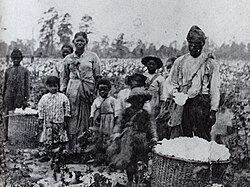
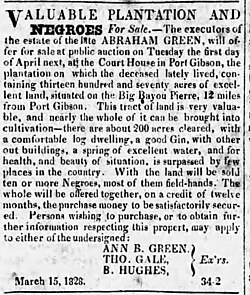
Contrary to popular imagery, not every plantation featured a grand mansion. The majority of Southern farmers who enslaved people held fewer than five individuals and often worked the fields alongside them. In 1860, the distribution of the 46,200 plantations was varied: approximately 20,700 had between 20 and 30 enslaved people, while a smaller group of 2,300 operated with a workforce of 100 or more.
Architecture and Layout
The physical layout of a plantation complex was designed to reinforce social hierarchies and maximize agricultural efficiency. The architecture was divided into several distinct zones.
Residential Structures
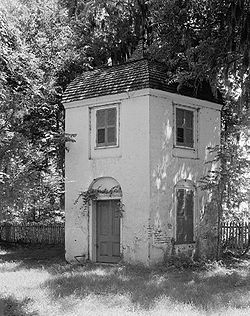
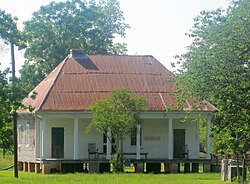
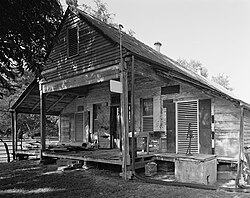
The centerpiece was typically the main house, often featuring white columns as a symbol of the plantation lifestyle. Other residential buildings included the garçonnière (bachelor's quarters) and separate housing for the overseer.
The Kitchen Yard and Ancillary Buildings
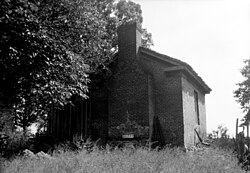
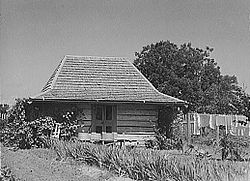
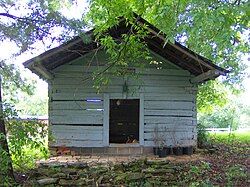
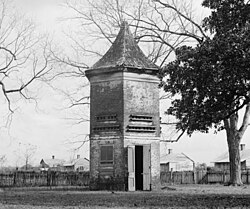
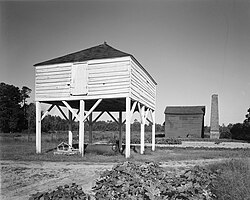
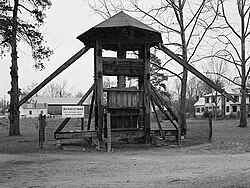
To keep heat and odors away from the main residence, kitchens were often detached brick buildings. Other support structures included washhouses (laundries), smokehouses for preserving meat, and pigeonniers (dovecot towers) for raising birds.
Social and Educational Facilities
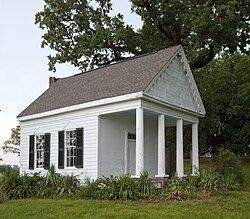
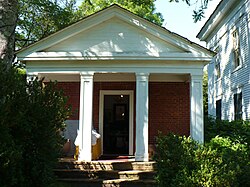
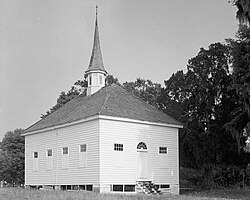
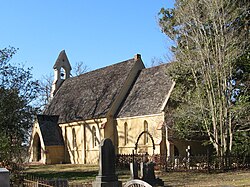
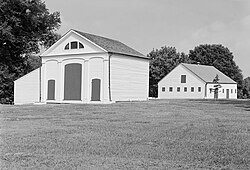
Larger estates often included specialized buildings for the owner's family and the administration of the estate, such as private schoolhouses and plantation offices. Some complexes also featured religious structures, including chapels and churches for the enslaved population.
Commercial and Agricultural Infrastructure
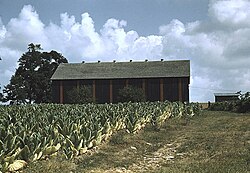
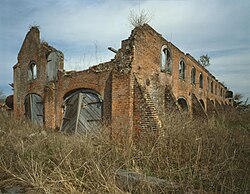
The economic engine of the plantation consisted of stores, carriage houses, stables, and specialized crop processing buildings. Depending on the region, these included tobacco barns, rice pounding mills, winnowing barns, sugar mills, and cotton presses.
Social Hierarchy and Labor
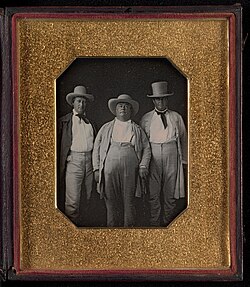
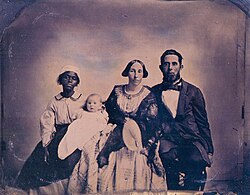
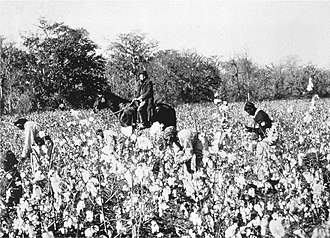
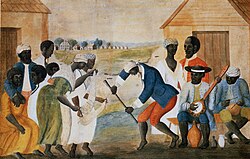
The plantation operated under a rigid social structure. At the top was the plantation owner and the plantation mistress. Below them was the overseer, a manager responsible for supervising the daily labor of the enslaved people. The foundation of the entire system was the enslaved workforce, who performed the grueling physical labor required to maintain the estate.
Legacy and Modern Tourism
Following emancipation, many plantations fell into ruin or were repurposed. Some became symbols of the "Lost Cause" narrative, while others were acquired by governments for historic preservation in the late 20th century.
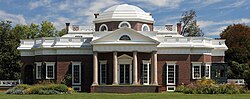
Today, hundreds of former plantations serve as museums or public sites. A 2022 study identified 375 such museums across 19 states, with high concentrations along the Mississippi River in Louisiana and Mississippi, as well as in coastal South Carolina and southern Virginia. Historically, these sites prioritized the architecture of the "Big House" and omitted the history of slavery; however, 21st-century curation has increasingly shifted toward acknowledging the reality of forced labor.
| Category | Examples of Structures | Primary Function |
|---|---|---|
| Residential | Main House, Garçonnière, Overseer's House | Living quarters for owners and management |
| Domestic Support | Detached Kitchen, Washhouse, Smokehouse | Food preparation and household maintenance |
| Administrative | Plantation Office, Schoolhouse, Store | Business management and family education |
| Agricultural | Tobacco Barns, Sugar Mills, Cotton Presses | Processing cash crops for market |
| Spiritual/Social | Chapels, Negro Baptist Churches | Religious practice and community gathering |
Frequently Asked Questions
What is the difference between a farm and a plantation?
The primary difference is the goal of production. Farms typically focused on subsistence agriculture to feed the inhabitants, whereas plantations focused on producing cash crops for profit on a large scale, usually requiring 500 to 1,000 acres or more.
Did every plantation have a large mansion?
No. Only a small percentage of Southern plantations featured grand mansions. Many owners enslaved fewer than five people and worked in the fields alongside them in much more modest settings.
What were the most common cash crops produced?
While crops varied by region, common cash crops included cotton, tobacco, rice, and sugar.
How are plantations presented in museums today?
Historically, many museums focused on the architecture of the main house and ignored the history of slavery. In the 21st century, there has been a movement toward more accurate presentations that center the experiences of enslaved workers.
What is a garçonnière?
A garçonnière is a bachelor's quarters, a separate residential structure within the plantation complex used to house unmarried men.