Plant Cultivars and Varieties: Distinguishing Botanical Classifications
In the world of horticulture and botany, terms like "cultivar" and "variety" are often used interchangeably in casual conversation. However, for breeders, scientists, and growers, these words carry distinct technical meanings that define how a plant is classified, protected, and grown. Understanding these nuances is essential for anyone working with ornamental, medicinal, or edible plants.
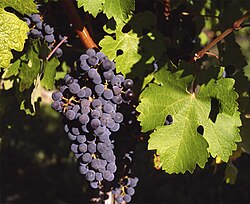
Defining the Cultivar
A cultivar (a portmanteau of "cultivated variety") is a plant that has been specifically selected for desirable characteristics. Unlike wild plants, a cultivar is chosen because it possesses specific traits that can be reliably maintained through propagation, such as cloning or seed saving.
Plant breeders develop these plants by focusing on various traits, including:
- Phenotypic traits: Physical characteristics such as flower color or leaf shape.
- Hereditary traits: Genetic qualities passed down through generations.
- Hardiness: The plant's ability to survive environmental stressors.
- Disease resistance: The capacity to withstand pests or pathogens.
When the focus shifts to edible fruit and vegetables, breeders also prioritize nutritional value, shelf life, and total crop yield to ensure commercial and culinary success.
The Role of UPOV and Varieties
The term "variety" can be confusing because its definition changes depending on the context. In many professional lists, a variety refers specifically to a cultivar that has been officially recognized by the International Union for the Protection of New Varieties of Plants (UPOV). To earn this status, a cultivar must meet specific rigorous criteria set by the organization.
Botanical Varieties vs. Cultivars
In a strictly scientific or taxonomic context, a variety refers to a rank below the species level, similar to a subspecies. You can identify a botanical variety by its scientific name; if a species' binomial name is followed by the abbreviation "var." and another name, it denotes a botanical variety rather than a human-selected cultivar.
Key Facts
- Cultivars are plants selected for specific traits that are maintained through propagation.
- Selective breeding targets traits like appearance, hardiness, and disease resistance.
- UPOV is the international body that recognizes certain cultivars as named varieties.
- Botanical varieties are a taxonomic rank below species, often indicated by the notation "var."
- Plants can be categorized as ornamental, medicinal, or edible.
Comparison of Plant Classifications
| Term | Primary Context | Definition/Requirement |
|---|---|---|
| Cultivar | Horticulture | A plant selected for desirable traits maintained via propagation. |
| UPOV Variety | Legal/Commercial | A cultivar recognized by the International Union for the Protection of New Varieties of Plants. |
| Botanical Variety | Taxonomy | A taxonomic rank below species (indicated by "var."). |
Frequently Asked Questions
What is the main difference between a cultivar and a botanical variety?
A cultivar is a plant selected by humans for specific traits and maintained through propagation, whereas a botanical variety is a natural taxonomic rank below the species level.
How do breeders decide which traits to select?
Breeders select for phenotypic traits like color, as well as functional traits like disease resistance, hardiness, nutritional value, and crop yield.
What does UPOV stand for?
UPOV stands for the International Union for the Protection of New Varieties of Plants.
How can I identify a botanical variety in a scientific name?
A botanical variety is identified when the species' binomial name is followed by the abbreviation "var." and a specific name.
Can cultivars be used for food?
Yes, many cultivars are specifically developed for edible fruit and vegetables, focusing on traits like taste, nutrition, and shelf life.