Pittsburgh Steelers: The Legacy of Art Rooney
The story of the Pittsburgh Steelers is inextricably linked to the vision and perseverance of Art Rooney. From a bold $2,500 investment in 1933 to the establishment of one of the most successful dynasties in professional sports, Rooney's journey reflects the evolution of the National Football League (NFL) itself.
The NFL had long desired a presence in Pittsburgh due to the city's deep football roots and the success of the Pittsburgh Panthers. However, local blue laws—regulations that prohibited sporting events on Sundays—blocked the league's entry until 1933. Seizing the moment after these laws were relaxed, Rooney founded the club, originally naming them the "Pirates" after the city's beloved baseball team.
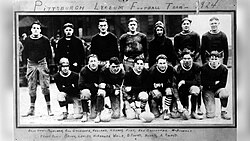
The Early Years and Financial Gambles
The early years of the franchise were marked by financial instability and a struggle for competitiveness. A turning point occurred in 1936 when Rooney won a parlay at Saratoga Race Course, netting approximately $160,000 based on a tip from New York Giants owner Tim Mara. This windfall allowed Rooney to hire coach Joe Bach and provide professional contracts to his players.
Despite these investments, success remained elusive. In 1938, Rooney made headlines by signing Byron "Whizzer" White to a record-breaking $15,000 contract, but the move did not result in a winning season. The team did not achieve a record above .500 until 1942, the same year they were renamed the Pittsburgh Steelers.
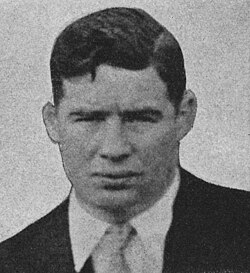
Ownership Shifts and the Philadelphia Connection
In 1941, Rooney sold the franchise to Alex Thompson, who intended to move the team to Boston. Simultaneously, Rooney acquired a 70% interest in the Philadelphia Eagles, with his friend Bert Bell holding the remaining 30%. In a unique arrangement, Bell and Thompson traded places; Bell became President of the Steelers, eventually relinquishing the role back to Rooney in 1946 when Bell was named NFL Commissioner.
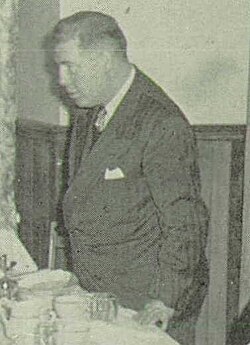
War-Time Mergers and Post-War Struggles
World War II brought unprecedented challenges, forcing the Steelers into temporary mergers to survive financially. In 1943, they merged with the Philadelphia Eagles to form the "Steagles," finishing with a 5-4-1 record. The following year, they merged with the Chicago Cardinals to form "Card-Pitt," which became the worst team in the league with an 0-10 record and a point differential of 108 to 328.
Following the war, the Steelers struggled to emerge from the shadow of baseball and the dominance of teams like the Green Bay Packers and Cleveland Browns. The era was marked by regrettable personnel decisions, including the cutting of future Hall of Famer Johnny Unitas and trading away the 1965 first-round pick that the Chicago Bears used to draft Dick Butkus.
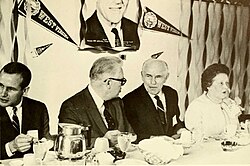
The Path to Championship Glory
The tide turned on January 27, 1969, with the hiring of head coach Chuck Noll. This appointment ended a decade of coaching instability and ushered in a new era of stability and success. By 1969, Art Rooney transitioned his day-to-day management duties to his son, Dan M. Rooney, while remaining Chairman and President Emeritus.
Under Noll's leadership and the Rooney family's guidance, the Steelers became a powerhouse. After joining the AFC Central Division following the 1970 AFL-NFL merger, the team embarked on a historic run, including 13 straight winning seasons. In his 41st year as owner, Art Rooney saw the club win its first Super Bowl, followed by three more victories in Super Bowls X, XIII, and XIV.
Key Facts
- Founded: 1933 by Art Rooney for a $2,500 franchise fee.
- Original Name: The Pittsburgh Pirates.
- War-Time Mergers: Formed the "Steagles" (1943) and "Card-Pitt" (1944).
- Turning Point: The 1969 hiring of Chuck Noll.
- Championships: Won four Super Bowls during Art Rooney's tenure.
- Notable Misses: Passed on Hall of Fame quarterback Dan Marino in 1983.
| Year | Event | Significance |
|---|---|---|
| 1933 | Franchise Founded | Established NFL presence in Pittsburgh. |
| 1942 | Renamed "Steelers" | First season with a record above .500. |
| 1969 | Hiring of Chuck Noll | Began a tradition of long-term coaching stability. |
| 1970s | Super Bowl Era | Won four Super Bowl championships. |
Frequently Asked Questions
Why were the Steelers originally called the Pirates?
Art Rooney named the team the Pirates after the city's baseball team, as he had been a fan of the baseball club since his childhood.
What were the "Steagles" and "Card-Pitt"?
These were temporary mergers during World War II. The Steagles (1943) were a combination of the Steelers and Philadelphia Eagles, while Card-Pitt (1944) was a merger between the Steelers and the Chicago Cardinals.
Who was the coach responsible for the Steelers' first championship run?
Chuck Noll, hired in 1969, is credited with bringing stability and success to the franchise, leading them to their first four Super Bowl titles.
Why did the Steelers pass on drafting Dan Marino?
Despite pressure from Art and Dan Rooney, head coach Chuck Noll decided against drafting Marino due to rumors regarding the player's behavior at the University of Pittsburgh, opting instead for defensive tackle Gabe Rivera.
How did Art Rooney influence the NFL beyond his own team?
Rooney was respected as a mediator among owners. He notably voted against moving the New York Yanks to Dallas in 1951 due to concerns over racism in the South and supported reinstating the 1925 NFL Championship to the Pottsville Maroons.