Pink Floyd: The Turbulent Recording of Wish You Were Here
Following the monumental success of The Dark Side of the Moon, Pink Floyd entered the studio to create Wish You Were Here. However, the path to this masterpiece was fraught with emotional exhaustion, creative blocks, and a haunting visit from their former bandmate. The process was as much a psychological struggle as it was a musical one, reflecting the band's internal state during a period of profound transition.
Key Facts
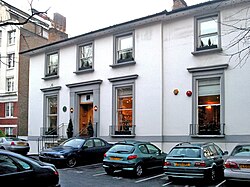
- Recording Location: EMI's Studio Three (now Abbey Road Studios).
- Timeline: January to July 1975.
- Central Theme: Absence and the rise and fall of former member Syd Barrett.
- Key Personnel: Engineer Brian Humphries replaced Alan Parsons.
- Notable Guest: Roy Harper provided lead vocals for "Have a Cigar".
The Struggle for Inspiration
The recording sessions took place from January until July 1975, with the band working four days a week from 2:30 pm until late evening. The aftermath of their previous success had left the members physically and emotionally drained. Keyboardist Richard Wright described the era as a "difficult period," while Roger Waters recalled the sessions as "torturous."
Initial progress was slow. Engineer Brian Humphries recalled days of total inactivity where the band played word games, used a dartboard, and drank, unsure of their creative direction. David Gilmour noted that having achieved fame and wealth, the band had to reassess their purpose, leading to a confusing and "empty" time.
Developing the Concept
Eventually, Waters envisioned a concept centered on the disappearance of Syd Barrett. The centerpiece became "Shine On You Crazy Diamond," a 20-minute-plus instrumental piece. The song's core was a four-note guitar phrase improvised by Gilmour, which reminded Waters of Barrett. To build the album's narrative, Waters decided to split "Shine On" into two halves, sandwiching "Welcome to the Machine" and "Have a Cigar"—two critiques of the music industry—between them.
The Unexpected Return of Syd Barrett
On June 5, 1975, a shocking event occurred during the mixing of "Shine On You Crazy Diamond." A man with a shaven head and eyebrows entered the studio. While Waters and Nick Mason did not immediately recognize him, Richard Wright soon realized it was Syd Barrett.
Barrett's presence was surreal and heartbreaking. Nick Mason described his conversation as "desultory and not entirely sensible," and Storm Thorgerson noted that some people cried during the visit. Barrett appeared disconnected from the music, showing no sign that the song was about him. This encounter, which was the last time the band members saw him alive, deeply influenced the emotional tone of the final recording.

Technical Innovation and Instrumentation
The album blended cutting-edge technology with organic sounds. The band utilized the EMS VCS 3 (a voltage-controlled synthesizer) on "Welcome to the Machine," balanced by Gilmour's acoustic guitar and Mason's percussion.
One unique sonic experiment involved "Household Objects," where the band recorded wet fingers circling the edges of wine glasses filled with varying levels of fluid to create multi-tracked chords. Other notable details include:
- The Radio Intro: The opening of the title track was recorded from Gilmour's car radio, featuring the finale of Tchaikovsky's Fourth Symphony.
- Guest Musicians: Saxophonist Dick Parry returned from The Dark Side of the Moon. Jazz violinist Stéphane Grappelli also recorded a part, though it was mixed so low it remained largely inaudible.
Vocal Challenges and Guest Contributions
The recording process was interrupted by two US tours, and the final sessions proved difficult for Roger Waters. Due to the strain on his voice from recording "Shine On You Crazy Diamond," Waters struggled with the vocals for "Have a Cigar." After Gilmour declined to sing the part, the band asked friend and musician Roy Harper to perform the lead vocals. Waters later expressed regret over this decision.
Touring and the Knebworth Incident
Before the album's release, the band toured North America, debuting "Have a Cigar" and "Shine On You Crazy Diamond." The tour culminated in a UK performance at the Knebworth Festival on July 5, 1975.
The Knebworth show was plagued by chaos. Roy Harper, upset over a missing costume, damaged one of the band's vans, delaying the sound setup. Because the band had to time their entrance with a flyover of WWII Spitfire aircraft, they could not delay the start. This resulted in a power supply issue that left Richard Wright's keyboards out of tune, severely impacting the performance.
| Category | Details |
|---|---|
| Studio | EMI Studio Three (Abbey Road) |
| Recording Period | January – July 1975 |
| Key Synthesizer | EMS VCS 3 |
| Guest Vocalist | Roy Harper ("Have a Cigar") |
| Concept | Absence and the legacy of Syd Barrett |
Frequently Asked Questions
Why did Alan Parsons not work on this album?
Alan Parsons declined to continue with Pink Floyd because he had recently formed his own group and was focusing on their first album.
How did Syd Barrett's visit affect the band?
The visit was emotionally devastating, leaving some members in tears. It served as a poignant reminder of Barrett's mental decline and tonally influenced the final version of "Shine On You Crazy Diamond."
Who sang lead vocals on "Have a Cigar" and why?
Roy Harper sang the lead vocals because Roger Waters' voice was strained from recording other parts of the album, and David Gilmour declined to take over the part.
What was the "Household Objects" experiment?
It was a recording technique where the band used wine glasses filled with different amounts of liquid, rubbing the rims with wet fingers to create multi-tracked chords.
What happened at the Knebworth Festival performance?
A combination of a damaged equipment van and a strict schedule tied to Spitfire aircraft flyovers led to power issues that left the keyboards out of tune, damaging the quality of the set.