The Beatles: The Complete History of the Fab Four
Few names in the history of modern culture carry as much weight as The Beatles. Emerging from the port city of Liverpool, England, this quartet transformed the landscape of popular music, evolving from a high-energy rock and roll act into avant-garde studio pioneers. Their journey from local clubs to global superstardom redefined the recording industry and the very nature of celebrity.
The band's sound was a tapestry of genres, blending rock, pop, beat, and later, psychedelia—a style of music characterized by surreal imagery and mind-altering sounds. This evolution was not accidental but the result of a relentless drive for artistic growth and a unique collaborative chemistry between its members.
Key Facts

- Origin: Liverpool, England.
- Active Years: 1960–1970.
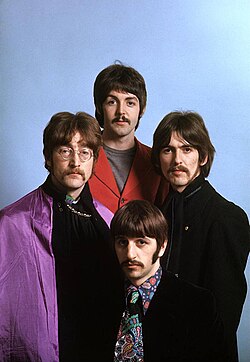
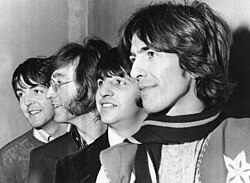
- Core Members: John Lennon, Paul McCartney, George Harrison, and Ringo Starr.
- Key Collaborator: George Martin, their producer who provided a stabilizing and sophisticated musical influence.
- Major Labels: Parlophone, Capitol, and their own Apple label.
- Legacy: Pioneers of the British Invasion and innovators of studio recording techniques.
The Early Years: Formation and Rise (1956–1963)

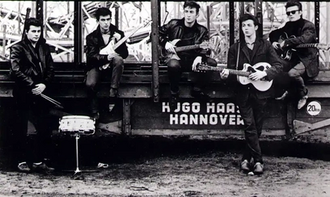
The roots of the band trace back to The Quarrymen, a skiffle group formed by John Lennon. Through a series of name changes and member shifts, the group solidified into the Beatles. Early iterations included Stuart Sutcliffe on bass and Pete Best on drums, both of whom departed before the band reached its peak. By 1962, Ringo Starr joined as the permanent drummer, completing the iconic lineup.
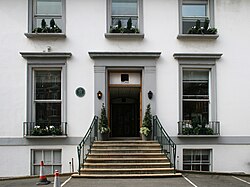
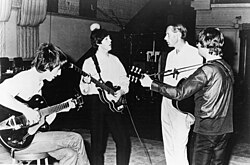
The band honed their craft through grueling residencies, most notably in Hamburg, Germany, and at the Cavern Club in Liverpool. Their first recordings with EMI Studios marked the beginning of their commercial ascent in the UK.
Beatlemania and the British Invasion (1963–1966)
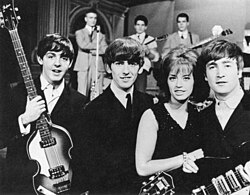
The release of Please Please Me and With the Beatles ignited a phenomenon known as Beatlemania—an intense, fanatical level of popularity that led to screaming crowds and unprecedented hysteria. This momentum carried them across the Atlantic in 1964, sparking the British Invasion in the United States.
During this era, the band balanced massive world tours with creative output, releasing influential albums such as A Hard Day's Night, Beatles for Sale, Help!, and Rubber Soul. They also used their platform to take stands on civil rights and engage with other musical icons, including Bob Dylan.
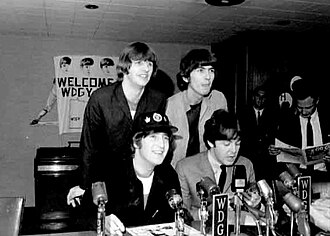
As their sound matured, the album Revolver signaled a shift toward more complex arrangements and experimental sounds. By 1966, the pressures of touring and the chaos of Beatlemania led the band to cease live performances entirely to focus on the studio.
The Studio Years and Artistic Peak (1966–1970)
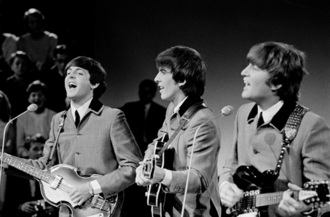
Free from the road, The Beatles entered their most experimental phase. Sgt. Pepper's Lonely Hearts Club Band (1967) is widely regarded as one of the most influential albums in history, not only for its music but for its iconic cover art.
![Front cover of Sgt. Pepper's Lonely Hearts Club Band, "the most famous cover of any music album, and one of the most imitated images in the world"[201]](/images/21/f5/21f528e19e99698d0477565f04e47e8a7b1a864a2c59537b3a5691bded8de84c.jpg)
The band continued to push boundaries with the Magical Mystery Tour project and the Yellow Submarine film. They also explored spirituality through a retreat in India and established Apple Corps, their own multimedia company.
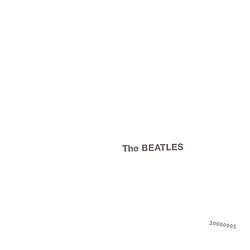
The late 1960s saw the release of the self-titled double album, known as The White Album for its minimalist cover, which suggested a "clean slate" for the band. This was followed by the polished production of Abbey Road and the raw, "back-to-basics" approach of Let It Be.
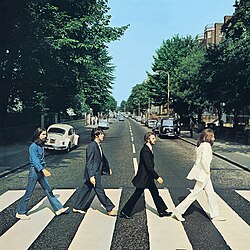
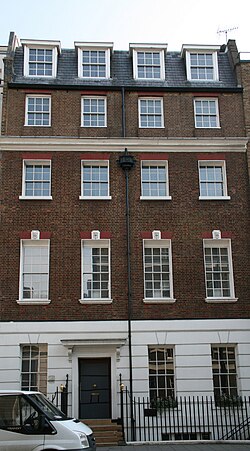
Despite their success, internal tensions grew. The band's final public performance was a surprise rooftop concert at the Apple Corps building in Savile Row. The group officially separated in 1970.
Musical Artistry and Legacy
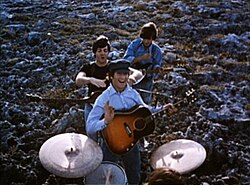
The Beatles' success was driven by the songwriting partnership of Lennon and McCartney, supplemented by George Harrison's growing contributions. A critical component of their sound was producer George Martin, who helped translate their ambitious ideas into orchestral and sonic realities.
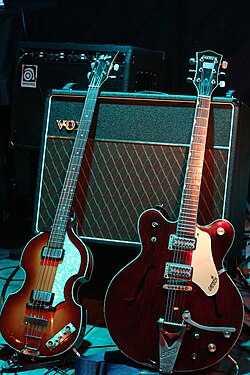
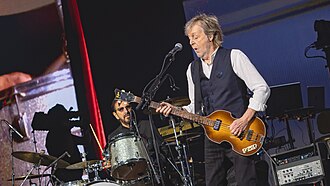
Their equipment also became legendary, from Paul McCartney's Höfner "violin" bass to the Vox AC30 amplifiers that defined their early live sound.
| Era | Key Albums | Major Milestone |
|---|---|---|
| Early Years | Please Please Me, With the Beatles | Rise of Beatlemania in the UK |
| Touring Years | A Hard Day's Night, Rubber Soul | The British Invasion of the US |
| Studio Years | Sgt. Pepper, The White Album | Cessation of touring; experimental peak |
| Final Phase | Abbey Road, Let It Be | Official breakup in 1970 |
Frequently Asked Questions
Who were the original members of The Beatles?
The core lineup consisted of John Lennon, Paul McCartney, George Harrison, and Ringo Starr. However, early members included Stuart Sutcliffe on bass and Pete Best on drums before the final lineup was established.
What was the role of George Martin?
George Martin was the band's producer. He acted as a stabilizing force and a musical architect, helping the band incorporate complex arrangements and new sounds into their recordings.
Why did The Beatles stop touring?
The band stopped touring in 1966 due to the overwhelming pressure and chaos of Beatlemania, which made it nearly impossible to perform their music or maintain their privacy.
What is "The White Album"?
The Beatles (1968), commonly called "The White Album," is a double album known for its minimalist white cover. It represented a departure from the colorful imagery of Sgt. Pepper and showcased a diverse range of musical styles.
When did the band officially break up?
The Beatles officially separated in 1970, following the release of the Let It Be album and the rooftop concert at Apple Corps.